



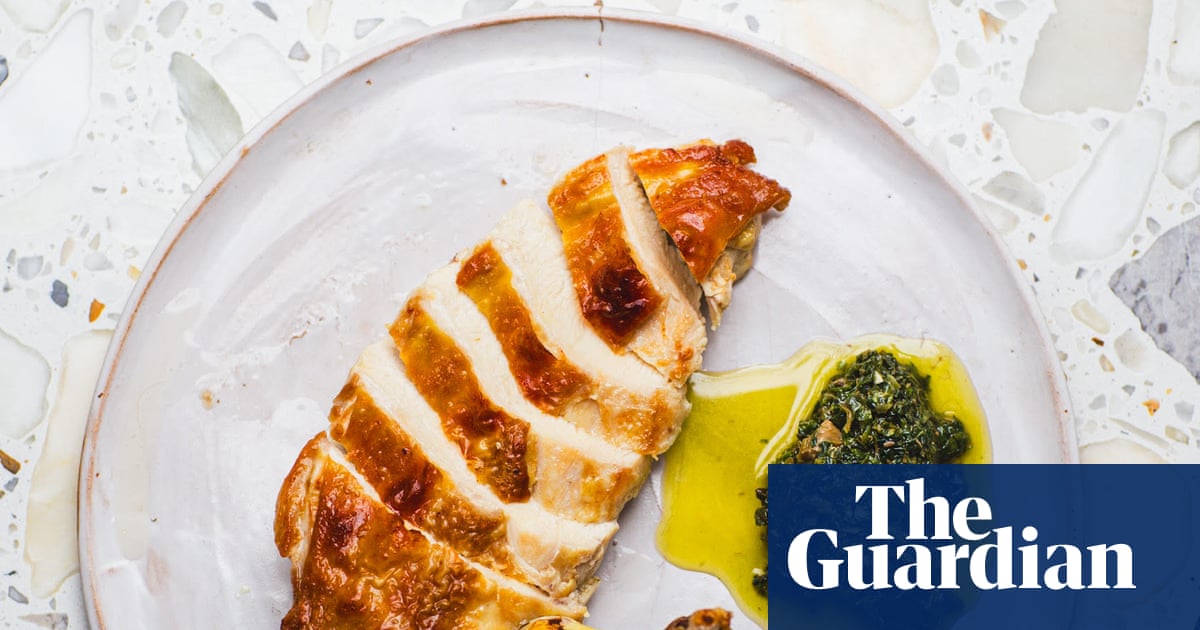
Cooking is an art, and when it comes to creating something truly exceptional, salsa verde is often my go-to choice. As we approach the festive season, this vibrant green sauce becomes even more relevant. With its forgiving nature and endless versatility, salsa verde can transform a simple meal into a culinary masterpiece with just a few pantry staples and fresh herbs. While the classic recipe calls for ingredients like parsley, garlic, capers, and anchovies, I find that the beauty of salsa verde lies in its adaptability. You can use whatever herbs you have on hand, making it a perfect way to utilize any excess from your garden or fridge.
The Beauty of Anything Goes Salsa Verde
Salsa verde is not just a recipe; it’s a celebration of flavors and creativity. Here are a few insights into why this sauce deserves a spot on your table:
- Versatile Pairing: It complements almost any dish, from roasted meats to grilled fish and even vegetables, elevating the overall dining experience effortlessly.
- Texture Matters: Hand-chopping the herbs yields a much nicer texture compared to blending. However, if you opt for a blender, ensure the herbs are finely chopped first.
- Flavor Development: For the best taste, allow the salsa verde to rest. Making it a day ahead allows the flavors to meld beautifully, creating a richer experience.
Recipe Highlights
To prepare this delightful sauce, gather the following ingredients:
- 100g mixed seasonal fresh herbs (leaves and soft stalks; discard woody parts)
- 1 small garlic clove (peeled) or 1 tbsp finely chopped onion
- 1 pinch coarse sea salt
- 1 tbsp capers (finely chopped, optional)
- 2 anchovy fillets (optional)
- 3 tbsp stale bread (optional)
- 1½ tbsp vinegar (white or red-wine or cider vinegar)
- 1 tsp mustard (optional)
- 50-100ml extra-virgin olive oil
Begin by finely chopping your herbs and garlic together until you achieve an even consistency. If you prefer a thicker sauce, soak the stale bread in the vinegar before adding it to the mix. In a mortar, combine the garlic, sea salt, capers, and anchovy fillets (if using) until it forms a puree. Gradually fold in the chopped herbs, followed by the soaked bread and vinegar. Finally, mix in the olive oil to reach your desired consistency, and season to taste.
This sauce is a fantastic way to reduce kitchen waste while adding a burst of flavor to your dishes. It should be stored in a clean jar and consumed within a couple of days for the best taste.
For those looking to explore the original article and recipe details, I encourage you to read the full piece here.