



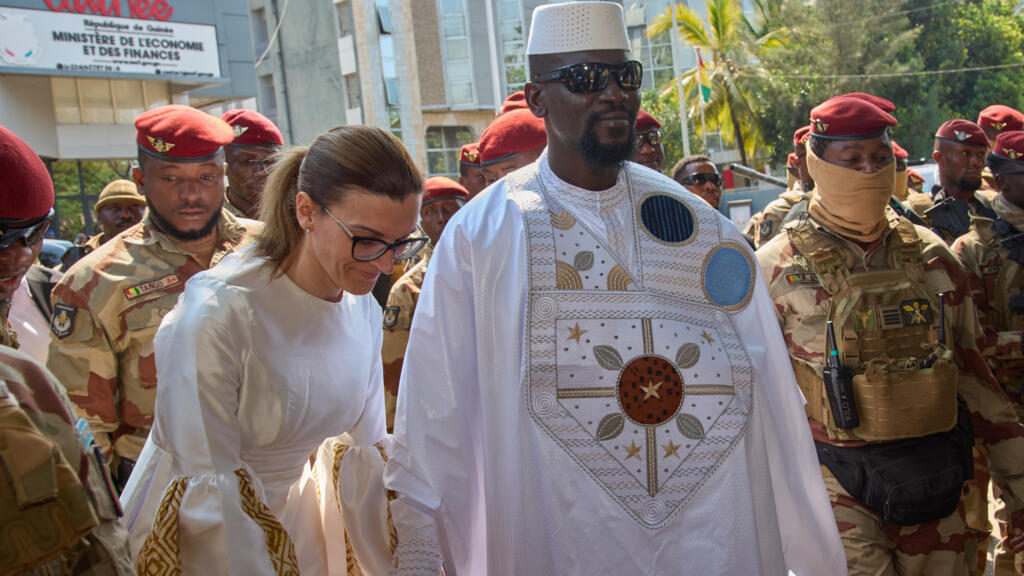
Guinea’s Election: The Consolidation of Power
In a significant political development, Guinea’s junta leader, Mamady Doumbouya, has emerged victorious in the recent presidential election. This outcome, following three years of a military coup, has sparked a wave of discussion and concern regarding the future of democracy in the nation. The election results, which many critics argue were achieved under a tightly controlled political environment, raise crucial questions about the validity of the democratic process in Guinea.
The Context of the Election
The backdrop to this election is marked by years of political instability and civil unrest. Doumbouya’s ascent to power was not through the ballot box but via a coup, which has subsequently influenced the political landscape significantly. His recent electoral victory is seen by many as a strategic maneuver to legitimize his rule and quell dissent.
Key Takeaways from the Election Results
- Consolidation of Authority: Doumbouya’s election victory effectively cements his grip on the presidency, allowing him to continue exercising control over the political narrative in Guinea.
- Criticism of the Electoral Process: Observers and critics have raised concerns about the fairness and transparency of the election, suggesting that it was conducted under oppressive conditions that stifled genuine democratic engagement.
- Impact on Stability: The election results could have lasting implications for Guinea’s stability, as continued unrest and dissatisfaction with the military-led government may persist, undermining any claims of legitimacy.
- International Reaction: The response from international communities will be pivotal in shaping Guinea’s political future. The extent to which foreign nations recognize Doumbouya’s presidency could influence his administration’s international standing.
Looking Ahead
The implications of Doumbouya’s victory are profound. As Guinea attempts to move forward from years of turmoil, the effectiveness of this election in fostering genuine political reform remains to be seen. Will Doumbouya prioritize national reconciliation and democratic principles, or will he continue to govern with an iron fist?
In conclusion, while the election may have provided a semblance of stability, the questions surrounding its legitimacy and the political environment in Guinea are far from resolved. It is crucial for the citizens of Guinea, as well as the international community, to remain vigilant and advocate for a truly democratic process.
For further insights and detailed coverage, I encourage you to read the original news article here.