



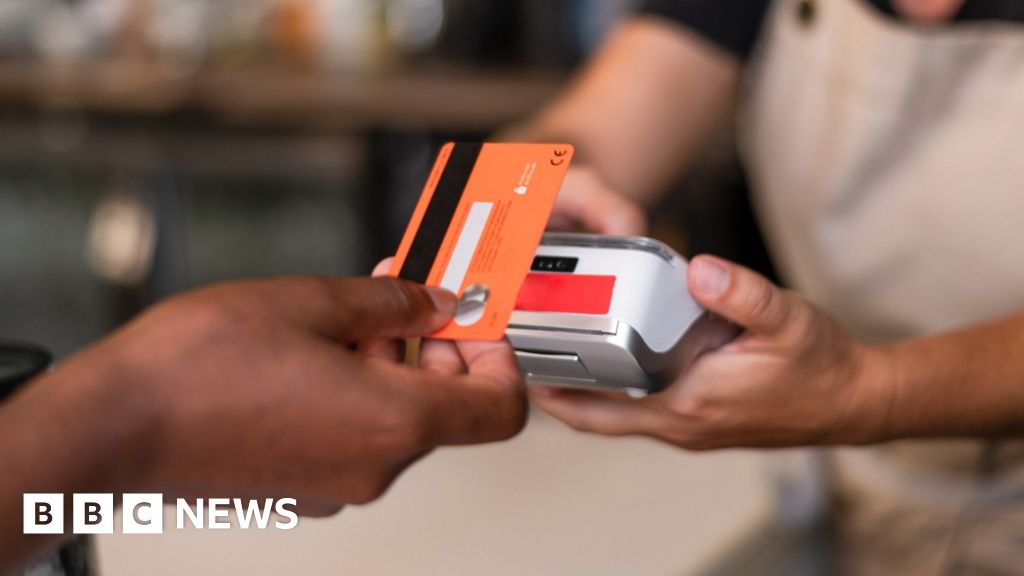
Contactless Card Payment Limit Changes: A Double-Edged Sword
Recent announcements regarding the lifting of contactless card payment limits have sparked a lively debate among consumers and financial experts alike. The Financial Conduct Authority (FCA) has laid the groundwork for a future where cardholders may choose their own limits or even opt for unlimited spending without the need for a PIN. While the convenience is undeniable, the implications for consumer behavior and security are significant.
Understanding the Changes
Starting in March, banks and card providers will have the flexibility to set their own contactless payment limits. Here are some key points about the upcoming changes:
- Consumer Empowerment: Cardholders will be encouraged to establish their own limits, tailoring their spending to personal preferences.
- Current Limit: The existing limit of £100 remains in place for now, although the FCA does not rule out immediate changes.
- Historical Context: The limits have evolved from £10 in 2007 to the current £100, reflecting the growing popularity of contactless payments.
It’s worth noting that while contactless cards have a £100 limit, smartphone payments can surpass this without a PIN, thanks to advanced security measures like biometric authentication.
Concerns and Considerations
However, this shift raises valid concerns about potential risks:
- Increased Vulnerability: Higher payment limits could attract thieves and fraudsters, making contactless cards more susceptible to theft.
- Consumer Spending Habits: The ease of unlimited payments may encourage impulsive spending, particularly on credit cards.
- Financial Abuse Risks: Vulnerable individuals may be at greater risk if abusers can access funds without checks or alerts.
David Geale, the FCA’s executive director of payments and digital finance, emphasized that while contactless payments are preferred by many, the need for flexibility must be balanced with security. He noted that the FCA aims to empower banks and payment firms to adjust limits based on their customers’ risk profiles.
International Perspectives
Interestingly, other countries like Canada, Australia, and New Zealand already allow card providers to set their own contactless limits, showcasing a global trend towards flexibility in payment systems. Jana Mackintosh from UK Finance reassured that any adjustments made would prioritize security and fraud prevention.
Final Thoughts: A Balancing Act
The proposed changes to contactless payment limits are a classic case of innovation meeting caution. While the convenience of higher limits could simplify transactions, it is imperative that we consider the broader implications on consumer behavior and security. The FCA’s approach to empower consumers to set their own limits may provide a necessary safeguard against impulsive spending and fraud.
As we move towards a more cashless society, it is crucial to find a balance that caters to the needs of consumers while ensuring their financial safety. The discussion is far from over, and I encourage readers to stay informed and voice their opinions on this significant shift in payment practices.
To explore the original news article and gain further insights, click here.