



The Blueness of Our Skies: A Global Perspective
When we step outside on holiday, it’s not uncommon to be struck by the depth of the blue sky above us. Some locations, like Cape Town, South Africa, and Briançon, France, are renowned for their stunningly blue skies. But does this blueness really vary from place to place?
The Science Behind the Blue
The color we perceive in the sky is primarily due to a phenomenon known as Rayleigh scattering. This process scatters light more effectively at the blue end of the spectrum, resulting in the vibrant blue hues we often admire.
Factors Influencing Sky Color
However, several environmental factors can affect the shade of blue we see:
- Humidity: High levels can scatter light more broadly, leading to a whiter or milkier sky.
- Pollutants: Dust and smoke also contribute to this scattering effect.
- Altitude: At higher elevations, there is less atmosphere to scatter light, often resulting in a darker, more intense blue.
Global Variations in Sky Color
While spectroscopic studies indicate that variations in sky color exist across different regions, a comprehensive global survey has yet to be conducted. Nevertheless, we can make some educated guesses:
Top Contenders for the Bluest Sky
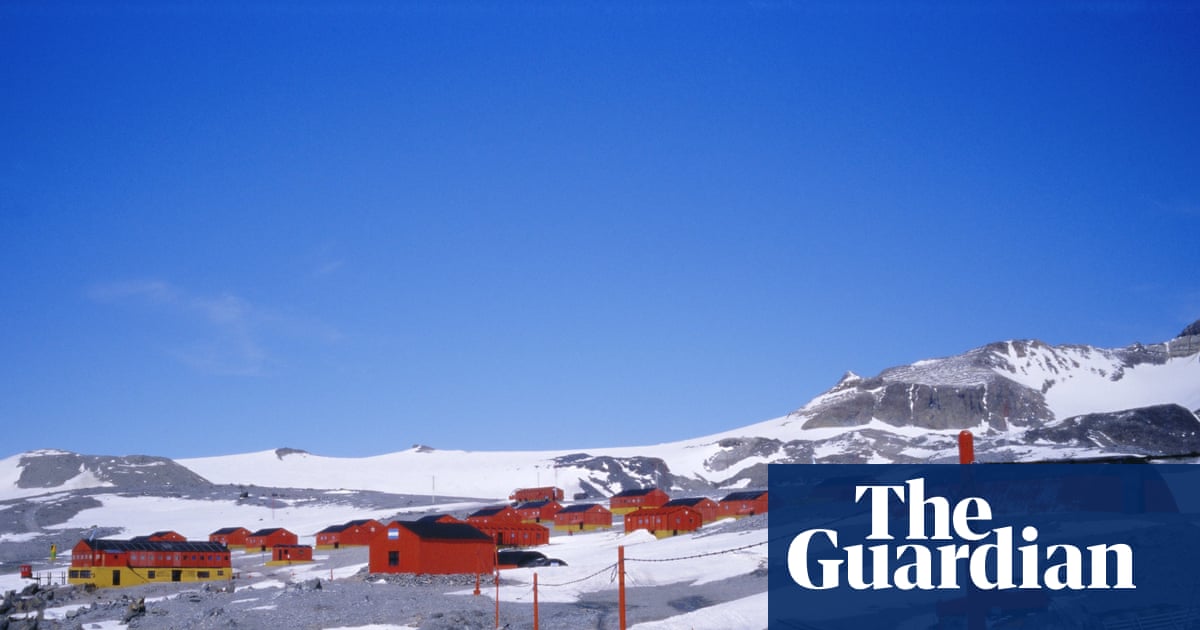
- Antarctica: This region is often touted as having the deepest, most saturated blue sky due to its high altitude combined with extremely low humidity and pollution.
- Atacama Desert, Chile: Known for its arid conditions and elevation, this desert is another strong contender.
- Tibetan Plateau: This area also boasts significant altitude and dryness, contributing to its beautiful blue skies.
Conclusion
As we ponder the nature of our skies, it’s clear that while the science of light scattering explains much of what we see, the experience of a particularly blue sky can be awe-inspiring and subjective. Whether you’re in Antarctica or your hometown, take a moment to appreciate the beauty and complexity of the sky above.
For a deeper dive into this fascinating topic, I encourage you to read the original news article.