



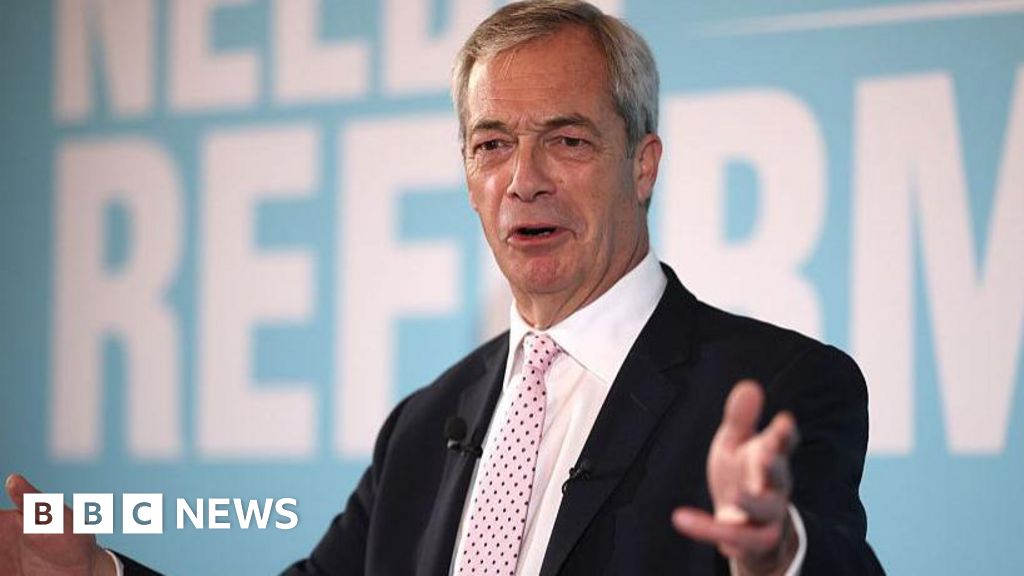
Electoral Commission Clears Farage of Allegations
In a significant development, the Electoral Commission has determined that there is no “credible evidence of potential offences of electoral law” concerning Nigel Farage’s election expenses. This conclusion marks a pivotal moment in the ongoing discussions surrounding electoral integrity and political accountability.
Key Findings from the Commission
In a letter shared with the BBC, the Commission stated that it would take no further action regarding the allegations made against Farage. Let’s break down the findings and the context surrounding this decision:
- The allegations were initially raised by a former member of Farage’s campaign team, suggesting that Reform UK exceeded the £20,660 spending limit mandated by law.
- Essex Police confirmed that they would not investigate the matter due to the elapsed time since the alleged offences.
- The Commission explicitly stated that it did not identify any omissions of expenditure that should have been declared in Farage’s campaign for Clacton.
Political Motivations or Genuine Concerns?
The election agent for Farage in Clacton, Peter Harris, has labeled the complaint as “politically motivated.” His assertion raises questions about the motives behind such allegations:
- Harris emphasized that the process was appropriately followed and dismissed any basis for further allegations.
- There seems to be a growing trend where political opponents leverage accusations to undermine credibility, especially in a charged electoral climate.
Background of the Allegations
The claims against Farage were made by Richard Everett, a former Reform campaigner, who alleged misreporting of expenses related to:
- Leaflets and banners
- Utility bills
- Refurbishment costs of the Clacton constituency office bar
These allegations were escalated to the Metropolitan Police before being handed over to Essex Police, which ultimately concluded that the claims fell outside the statutory time limits for prosecution.
Implications for Future Elections
Farage’s recent leadership role in Reform UK and his victory in Clacton from the Conservatives by a substantial majority of over 8,000 votes further complicate the narrative. It underlines the importance of transparency and integrity in political campaigns:
- As political landscapes evolve, clear and transparent reporting of campaign finances remains crucial.
- Future allegations of this nature could prompt tighter scrutiny of electoral laws and their enforcement.
In conclusion, while the Electoral Commission has closed this case, the broader implications of such allegations and their motivations will continue to provoke discussions about electoral ethics and political conduct. I encourage readers to explore the original news article for further details and context. You can read it here.