



Unveiling Cosmic Dust: A Journey into the Origins of Life
How does one collect cosmic treasures like star dust? While the whimsical advice from the Perry Como song suggests catching a falling star, the reality is more complex and fascinating. Each year, thousands of tonnes of cosmic dust rain down on Earth, primarily burning up in our atmosphere. However, the fragments that survive—known as meteorites and micrometeorites—offer scientists invaluable insights into the universe.
The Quest for Cosmic Dust
In a remarkable endeavor, planetary scientists in the UK have donned their Ghostbusters-like vacuum backpacks to scour the rooftops of cathedrals in search of microscopic traces of this space dust.
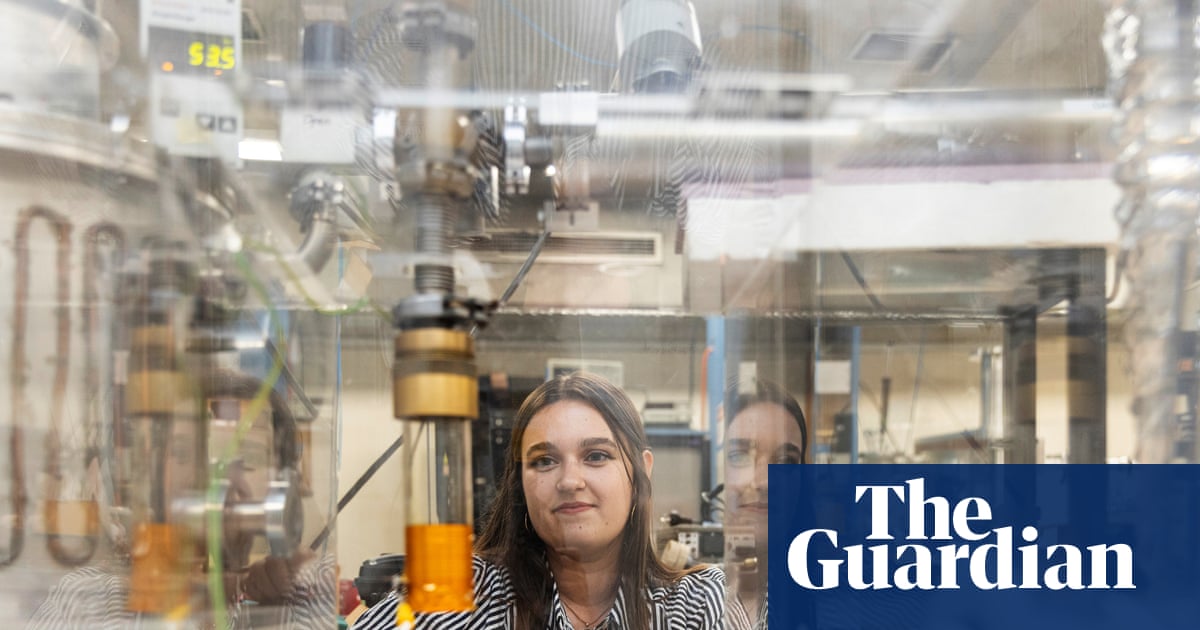
Meanwhile, in an innovative twist, Linda Losurdo, a PhD candidate from the University of Sydney, has taken a different approach: she’s recreating cosmic dust in the laboratory. This pioneering work aims to deepen our understanding of how life on Earth may have originated.
The Science Behind Cosmic Dust
Losurdo explains that cosmic dust primarily comes from dying stars. As a star exhausts its life, it becomes extremely hot and heavy, eventually breaking apart and releasing massive waves of carbon. This process is crucial as it produces the organic compounds—collectively known as CHON molecules (carbon, hydrogen, oxygen, and nitrogen)—which are the fundamental building blocks of life.
Scientists remain divided on whether these CHON molecules formed on Earth, were delivered by cosmic particles, or emerged during the early solar system’s formation. Losurdo’s lab-created cosmic dust may provide answers to these enduring questions:
- How did meteorites that struck Earth come to contain organic matter?
- What are the origins of the dust we find in meteorites?
Creating Cosmic Dust in the Lab
Using a specialized glass tube, Losurdo mimics the near-vacuum conditions of space, then introduces gases typically found around dying stars—nitrogen, carbon dioxide, and acetylene. By applying an impressive 10,000 volts to energize these gases, she creates a plasma that serves as an analogue for cosmic dust.
This innovative method has garnered praise from experts, including Dr. Sara Webb, an astrophysicist who remarked on the beauty of Losurdo’s technique. Webb noted that these dust particles are essential for life as we know it, and while we can’t physically collect interstellar dust, this lab-created version could open new avenues for research.
Future Implications
Looking ahead, Webb suggests that this simulated cosmic dust could play a role in organic chemistry experiments, potentially simulating early life formation on various types of planets. However, Losurdo is careful to clarify that her work represents just one snapshot of the vast diversity of cosmic environments.
As this groundbreaking research gets published in the Astrophysical Journal, it undoubtedly paves the way for further exploration into the origins of life and the universe’s mysteries.
Conclusion
In summary, the pursuit of cosmic dust, whether through rooftop scavenging or laboratory synthesis, highlights the intricate connection between the cosmos and the origins of life on Earth. The ongoing research by scientists like Linda Losurdo and her team not only expands our understanding but also stirs our imagination about our place in the universe.
To delve deeper into this captivating topic, I encourage you to read the original news article here.