



AI in Music: A Double-Edged Sword
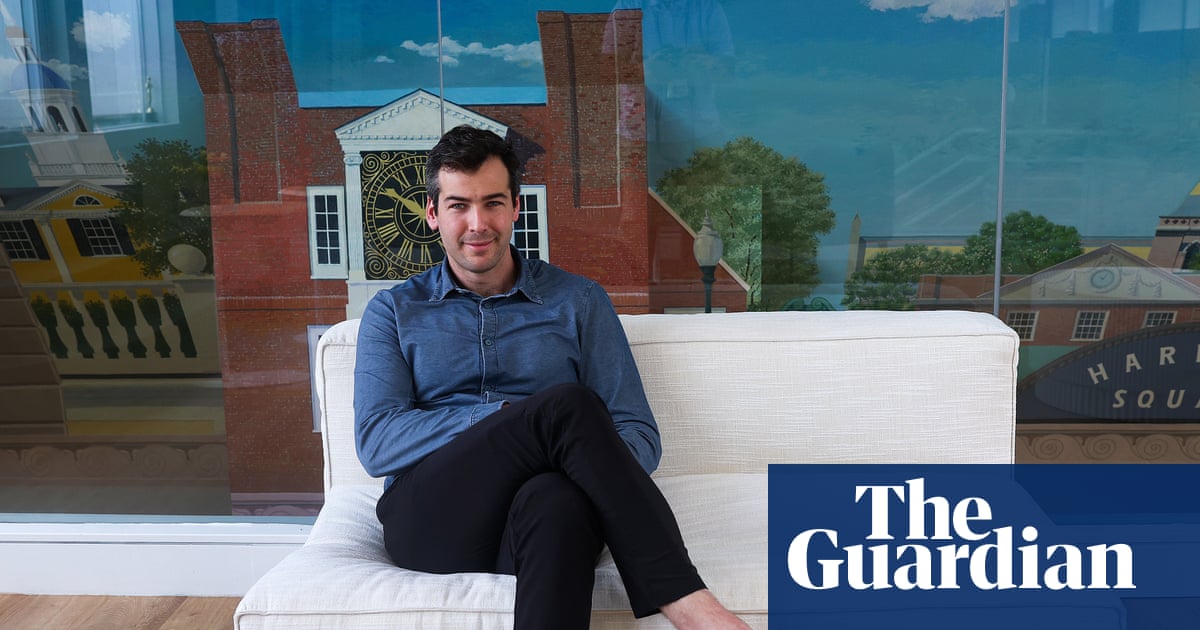
Mikey Shulman, the CEO and co-founder of the generative AI music company Suno, evokes a vision of the future where music is not merely played but created collaboratively. As we delve into the implications of this technology, we find ourselves at a crossroads—one that might define the next era of musical creativity or signal its decline.
The Rise of Suno
Founded just over two years ago, Suno enables users to create entire songs using simple text prompts. While the platform doesn’t allow specific pop star references, it can generate music reminiscent of popular artists by interpreting broader themes. For example, a prompt for “stadium-level confessional pop-country” might yield a track akin to something by Taylor Swift.
Legal Challenges Looming
However, the advent of generative AI in music has not come without controversy. In June 2024, Suno faced lawsuits from the RIAA and the German collection society GEMA, both claiming that Suno was training its systems using copyrighted material without authorization.
The Industry’s Existential Crisis
The introduction of AI music platforms has sparked a heated debate within the industry. On one hand, some view it as a democratization of creativity; on the other, it represents a potential threat to the livelihood of musicians.
- Proponents argue that AI tools like Suno can enhance creativity and offer new opportunities.
- Critics warn that such technology could lead to a dilution of artistic quality, with “AI slop” flooding the market.
Financial Implications
Despite the controversies, Suno’s valuation has skyrocketed to $2.45 billion, buoyed by a recent $250 million funding round. Yet, the platform only boasts around 1 million paying subscribers. This raises questions about sustainability and profitability in a rapidly evolving market.
Artist Relations and Ethical Concerns
As the industry grapples with these changes, Shulman emphasizes the necessity of collaboration between AI companies and traditional music entities. However, skepticism remains, especially regarding how these technologies might reshape artist rights and revenue models.
Quality vs. Quantity in Music Creation
Shulman argues that, similar to advancements in digital recording and sampling, AI can push the boundaries of music creation. Yet, it’s crucial to consider whether this shift might undermine the depth of artistic expression.
- Shulman believes that mastery will still require extensive practice, perhaps the traditional 10,000 hours of dedication.
- He acknowledges that while some may see AI-generated music as inferior, others find value in the ease and creativity it can provide.
A Cautious Future
The future of AI-generated music remains uncertain. While Shulman envisions a world where technology enhances artistry, the industry must navigate the complexities of copyright, artist relations, and the potential for artistic dilution. The question remains: will AI be a creative partner or a threat to the integrity of music?
For a deeper dive into the intricacies of AI in music, I encourage you to read the original news article at the source: The Guardian.