



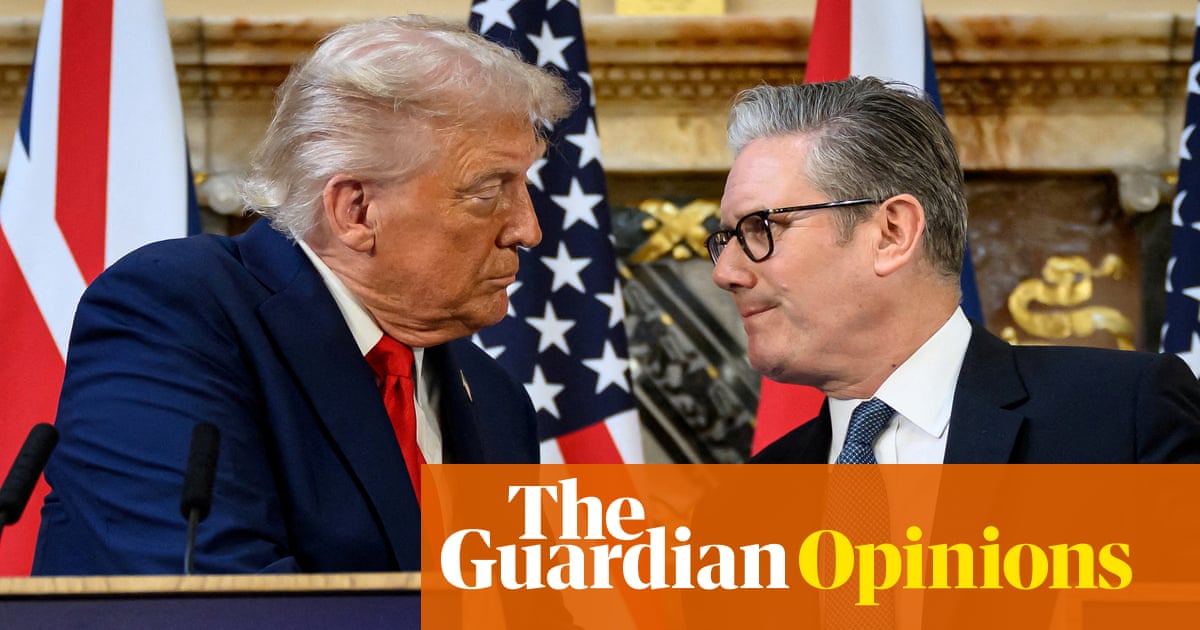
Trump’s Unfiltered Honesty: A Double-Edged Sword
Donald Trump, a figure often labeled as an inveterate liar, paradoxically demonstrates a kind of brutal honesty through his statements. His declared intentions should be taken seriously; when he expresses a desire to take possession of Greenland or remove Venezuelan President Nicolás Maduro, there’s a genuine undercurrent in his words. This leads us to ponder the implications of his candidness in the context of global diplomacy.
The Complexity of Trump’s Motives
Analyzing Trump’s motivations reveals a mix of ambition and spectacle. He thrives on deals, especially in real estate, and seeks affirmation of his greatness. However, his understanding of truth is often distorted, shaped by personal interests and audience manipulation. Here are some key points to consider:
- Trump’s statements often reflect his immediate interests rather than objective reality.
- His approach to communication lacks the nuance typical of political leaders.
- This unfiltered style contrasts sharply with leaders like Keir Starmer, whose careful speech may come off as tepid.
The Diplomatic Tightrope of Starmer
Starmer faces a complex challenge in navigating Trump’s tumultuous foreign policy while maintaining a stance on international law. The UK government’s delayed response to Trump’s actions in Venezuela illustrates this struggle:
- Downing Street took 16 hours to comment on Trump’s seizure of Maduro.
- The official response struggled to balance a commitment to international law with a reluctance to criticize the U.S.
Starmer’s legal background as a human rights lawyer suggests he grapples with the moral implications of endorsing or condemning such actions. Yet, the reality of international diplomacy often forces leaders to tread lightly:
- Starmer must consider the consequences of any condemnation, especially in light of coalition meetings regarding Ukraine.
- His position is further complicated by the need to maintain favorable relations with an unpredictable Trump administration.
The Strategic Dilemma
Starmer’s approach raises critical questions about the future of Britain’s foreign policy:
- Is he sacrificing moral clarity for the sake of political expediency?
- How does he reconcile the need for U.S. support with the imperative of standing up for international law?
The ongoing conflict in Ukraine exemplifies the urgency of these questions, as the UK navigates its relationship with both the U.S. and Europe.
The Need for a Clear Vision
Starmer’s reluctance to openly criticize Trump may stem from a tactical rationale, but this strategy risks appearing as indecision. The absence of a clear geopolitical vision could lead to:
- Britain being perceived as a passive player in international affairs.
- A potential loss of influence as the global landscape shifts toward regional blocs.
Ultimately, Starmer’s desire to maintain a delicate balance between the U.S. and Europe may backfire, leaving Britain vulnerable in a rapidly changing world order.
Conclusion: The Path Forward
The current global climate demands leaders with the courage to articulate a clear vision, unafraid to make tough choices. Starmer’s approach may be politically expedient, but it risks being interpreted as a lack of conviction. As we move forward, it will be essential for the UK to redefine its role on the world stage in a way that prioritizes both international law and national interests.
For those interested in a deeper exploration of this topic, I encourage you to read the original news article here.