



US Military Action in Venezuela: A Breach of International Law?
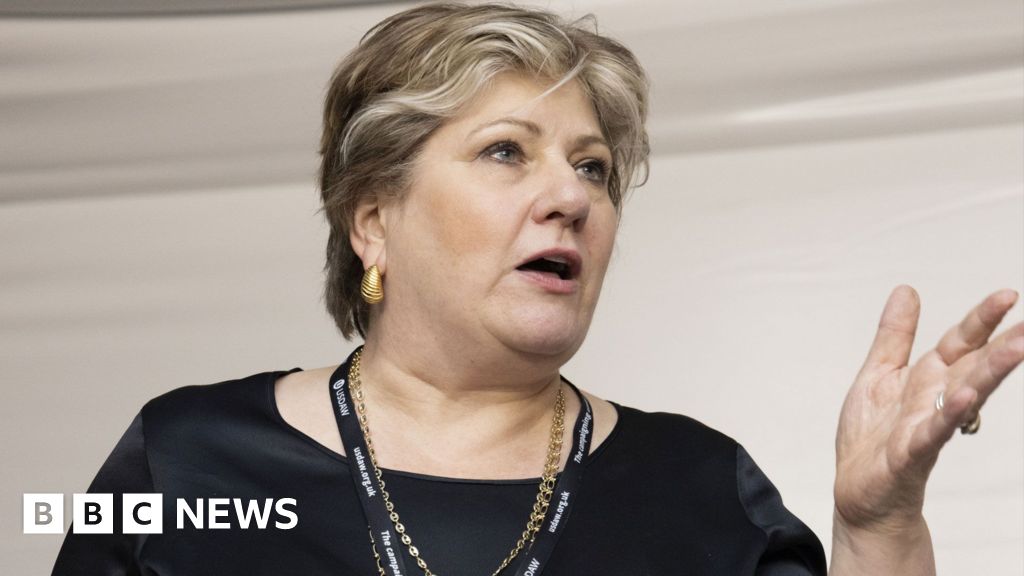
As the dust settles on the recent US military strikes in Venezuela, the political landscape is rife with tension and controversy. The actions, which resulted in the capture of President Nicolás Maduro and his wife, have sparked significant debate both domestically and internationally. Dame Emily Thornberry, chair of the Commons Foreign Affairs Committee, has been vocal in her condemnation, asserting that such actions breach international law and should be unequivocally deemed “unacceptable.” Let’s delve into the implications of this military intervention and the responses it has elicited.
The Significance of Thornberry’s Critique
Dame Emily Thornberry’s remarks on BBC Radio 4 highlight a critical perspective within the UK political sphere:
- Breach of International Law: Thornberry argues that the strikes are not legally justified, emphasizing that the UK should take a firm stance against such actions to maintain the integrity of international law.
- Collective Responsibility: She calls for a united front among the UK and its allies to denounce breaches of international law, stating, “We cannot have the law of the jungle.”
- Geopolitical Concerns: Thornberry warns that such unilateral actions could embolden other nations, notably Russia and China, to assert their own spheres of influence aggressively.
This perspective resonates with many who fear that the precedent set by the US could unravel established norms of international relations, leading to a more chaotic global order.
Reactions from UK Political Leaders
Responses from various political leaders illustrate the divided opinion on the US actions:
- Prime Minister Sir Keir Starmer: Starmer has been notably cautious, avoiding direct condemnation of the strikes while emphasizing the importance of the rule of law. He maintains that the US must justify its actions but has refrained from labeling them illegal.
- Opposition Parties: Leaders from the Liberal Democrats, Green Party, and SNP have condemned the strikes, emphasizing the need for adherence to international law. Lib Dem leader Sir Ed Davey articulated that while Maduro is a “brutal and illegitimate dictator,” unlawful attacks jeopardize global safety.
- Conservative Stance: The Conservative Party has urged for a nuanced understanding of the situation before drawing conclusions, while some members, like shadow minister Alex Burghart, suggest that US actions are justifiable against a regime that has long disregarded international law.
This division among political factions indicates a broader debate about the UK’s foreign policy stance and its alignment with international norms.
The Broader Implications
The implications of this military action extend far beyond Venezuela:
- International Anarchy: Thornberry’s warnings about the potential for a rise in international anarchy should not be taken lightly. If countries begin to act unilaterally without regard for international law, we risk descending into chaos.
- Regional Stability: The actions of the US may inspire similar interventions or aggressive posturing from other nations, particularly those with contentious territorial claims, like Russia and China regarding Ukraine and Taiwan, respectively.
- Humanitarian Concerns: The situation in Venezuela remains dire, and while the removal of Maduro may seem beneficial, the means of achieving this raises ethical questions about the legitimacy and consequences of using military force.
As the UN Security Council prepares to discuss the US operation, it will be critical to monitor how these discussions unfold and what stance the UK will ultimately take.
In conclusion, the unfolding events in Venezuela highlight a pivotal moment in international relations, one that demands careful consideration and a commitment to upholding the principles of international law. I encourage readers to explore the original news article for further details and context on this pressing issue.