



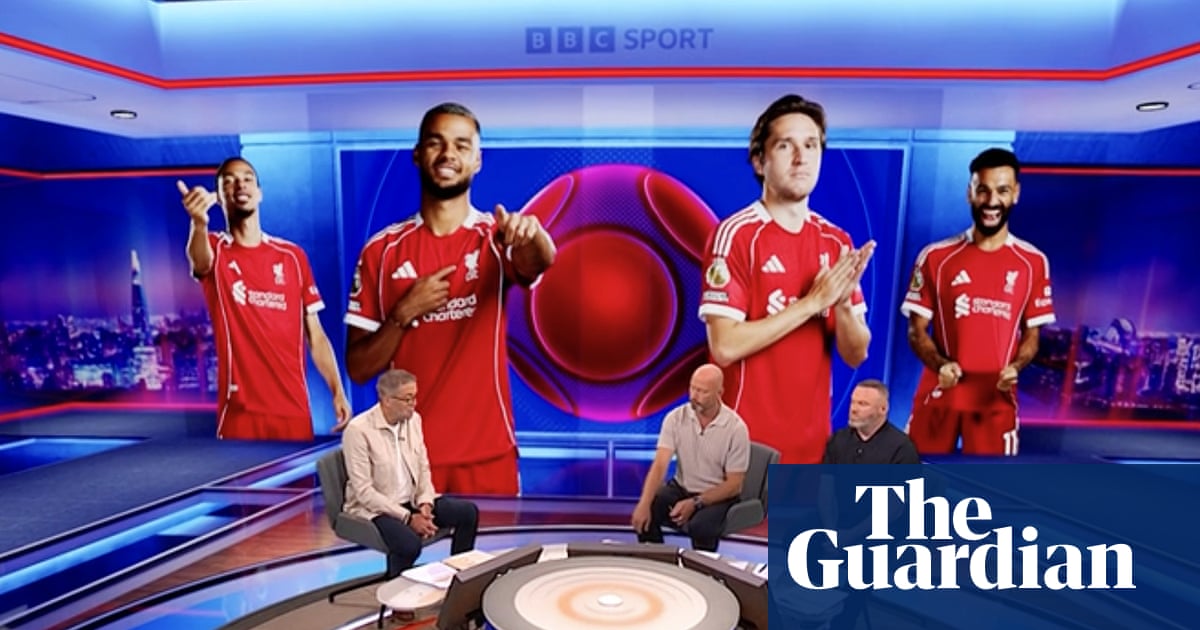
Match of the Day Viewing Figures: A Digital Resurgence
The latest statistics regarding the viewing figures for the BBC’s Match of the Day (MOTD) reveal a fascinating trend in how audiences engage with sports content. As a commentator observing these shifts, it’s compelling to see how digital strategies can markedly alter viewer habits.
Shifting Viewing Trends
While traditional linear viewing figures for MOTD have seen a decline, the shift to digital highlights has resulted in a remarkable increase in overall engagement. Here are the key points:
- The average weekly views for traditional Saturday and Sunday highlights dropped to 6.88 million, a decline of 770,000 compared to December 2024.
- In contrast, the digital highlights available at 8 PM on Saturdays have attracted an additional 1.52 million viewers.
- The total viewing figures for MOTD on iPlayer reached 61.9 million by the end of December, a significant rise from 45.4 million during the same period last season.
- Digital consumption has nearly doubled since the 2022-23 season, which had only 33.1 million views by December.
BBC’s Bold Strategy
This strategic pivot by the BBC, which introduced digital highlights as part of a new four-year deal with the Premier League, demonstrates a forward-thinking approach to sports broadcasting. The BBC characterized this move as a “gamechanging way to stay immersed in the action.”
Moreover, the corporation’s commitment to enhancing its digital rights portfolio, now including highlights deals with La Liga and the Bundesliga, reflects a growing recognition of the importance of online content consumption in today’s media landscape.
Impact of Presenter Changes
Interestingly, the decline in linear viewing figures correlates with the departure of long-time presenter Gary Lineker, who stepped down after 26 years. The BBC’s decision not to appoint a direct replacement, instead opting for a rotation of hosts including Mark Chapman, Gaby Logan, and Kelly Cates, raises questions about the impact of such changes on viewer loyalty.
While the BBC did not comment directly on these trends, it’s clear that the decrease in linear viewership aligns with broader patterns seen across live television. However, without specific figures isolating the Saturday broadcast, it’s challenging to quantitatively assess the true impact of Lineker’s absence.
Conclusion
The data presents a dual narrative: a decline in traditional viewing coupled with a significant uptick in digital engagement. This trend highlights the critical need for broadcasters to adapt to changing viewer preferences in an increasingly digital world. It will be intriguing to see how the BBC continues to innovate in this space and what implications these changes may have for the future of sports broadcasting.
For a deeper dive into these statistics and insights, I encourage you to read the original news article at the Guardian.