



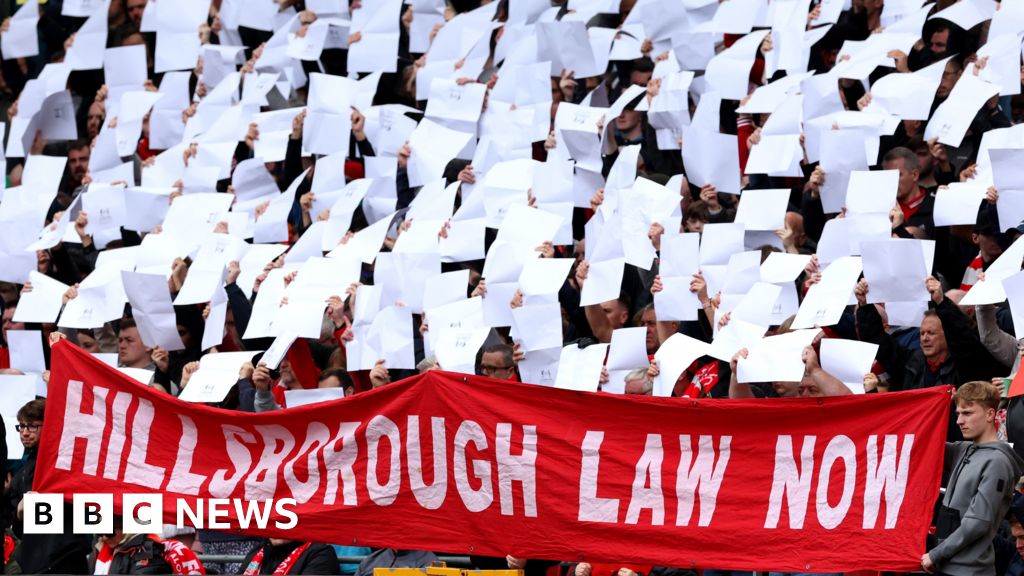
The Hillsborough Law Amendment Withdrawal: A Step Back or Forward?
Recently, the government has decided to withdraw its proposed amendment to the Hillsborough Law, following significant backlash from bereaved families and some members of the Labour Party. This legislative development is a pivotal moment that warrants thorough analysis and reflection.
Understanding the Hillsborough Law
The Hillsborough Law, formally known as the Public Office (Accountability) Bill, aims to ensure that public authorities, particularly security services, are held accountable for their actions. The tragic disaster at Hillsborough Stadium in 1989, which resulted in the deaths of 97 football fans, is the driving force behind this crucial legislation. The law seeks to:
- Establish a duty of candour for public officials, compelling them to be transparent and truthful during inquiries.
- Prevent cover-ups by mandating that all public authorities cooperate fully with investigations.
Controversy Surrounding the Amendment
The government’s proposed amendment aimed to exempt MI5 and MI6 officers from disclosing certain information unless approved by their service heads. This suggestion raised serious concerns among campaigners and bereaved families, who feared it would undermine accountability by allowing security services to selectively withhold information.
Key points of contention included:
- Fears that national security could be used as a blanket excuse to avoid transparency.
- Backlash from Labour MPs, particularly those from Liverpool, who felt the amendment would dilute the law’s effectiveness.
- Concerns from the Hillsborough Law Now campaign group about ensuring the law applies fully to security services.
Government’s Stance and Political Reactions
In light of the mounting opposition, the government announced it would no longer proceed with the controversial amendment. A spokesperson emphasized the government’s commitment to strengthening the bill while balancing national security concerns. This retreat can be viewed as:
- A recognition of the potential for a political rebellion within Parliament.
- A strategic move to preserve party unity ahead of upcoming votes.
Labour MP Ian Byrne, a longstanding advocate for the Hillsborough Law, expressed relief at the withdrawal, stating it was a necessary step to ensure the legislation remains robust. However, he insisted that no law should pass until families are satisfied with its provisions.
Looking Ahead: The Path Forward
The government plans to bring forward further amendments when the bill reaches the House of Lords. This upcoming stage presents an opportunity to address the concerns raised by families and campaigners alike.
Culture Secretary Lisa Nandy has reassured that the government does not intend to exempt security services from the legislation, but the challenge lies in maintaining operational integrity while ensuring accountability. As we move forward, it is essential to:
- Engage with affected families to understand their perspectives and incorporate their feedback into the legislation.
- Ensure transparency without compromising national security, striking a delicate balance that respects both public safety and accountability.
Conclusion
The withdrawal of the amendment to the Hillsborough Law is a significant moment in the ongoing struggle for justice and accountability. It highlights the power of advocacy and the necessity for the government to listen to the voices of those affected by tragedy.
As this bill progresses, the focus must remain on ensuring that the lessons learned from past mistakes guide future actions. The journey toward justice for the victims and their families is far from over, and it will require unwavering commitment from all parties involved.
For those interested in the original reporting on this topic, please read the full article at the BBC News.