



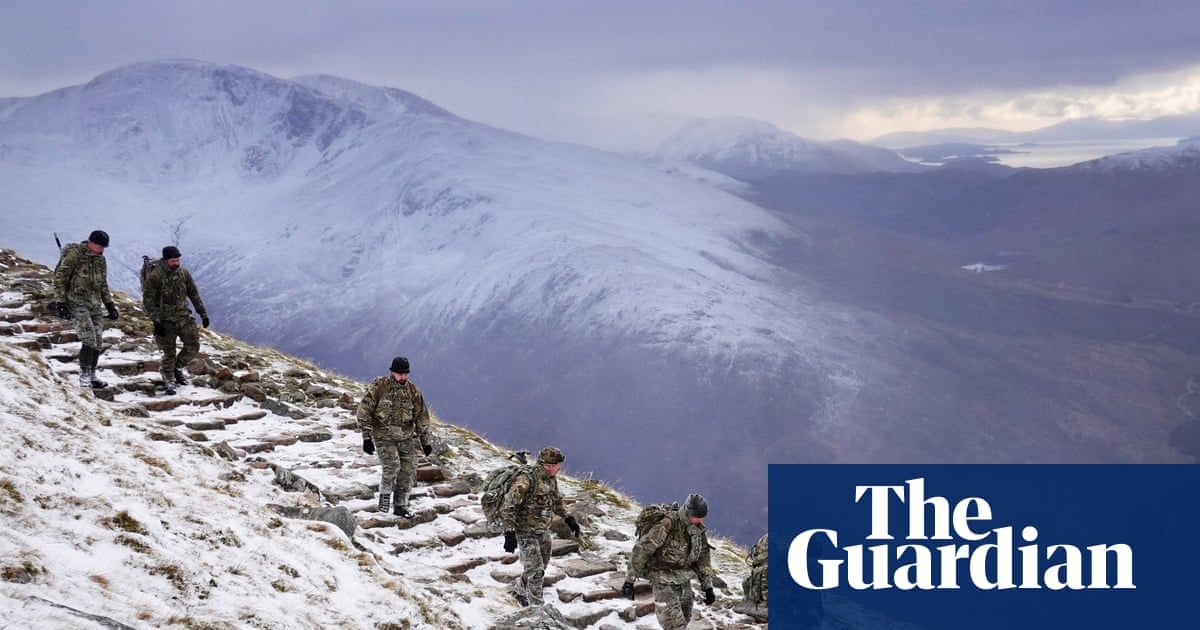
New Gap Year Scheme: A Strategic Move by the UK Ministry of Defence
The UK Ministry of Defence’s recent announcement regarding a gap year-style program for young people is not just another recruitment initiative; it represents a broader strategy to integrate military life into the fabric of society. This innovative approach aims to attract a younger demographic while providing them with valuable skills and experiences. Let’s dive into the details and implications of this program.
Program Overview
Scheduled to commence in March 2026, this pilot program will recruit around 150 individuals under the age of 25. Here are the key points:
- Paid Placements: Participants will engage in paid placements lasting two years, though specific payment details remain undisclosed.
- Expansion Plans: Following the pilot, the government intends to scale up the program to accommodate over 1,000 participants annually.
- No Active Deployment: Importantly, this initiative does not involve deployment in active operations, allowing participants to gain skills without the pressure of military combat.
- Transferable Skills: The program is designed to equip young people with skills applicable across various industries, thus broadening their career prospects.
Government’s Perspective
Defence Secretary John Healey emphasized the importance of this scheme, stating it will provide young Britons with a taste of the valuable training available in the army, Royal Navy, and RAF. His remarks highlight a strategic intention to engage families in discussions about military opportunities during a time when young people are contemplating their futures.
Training Structure
The proposed training structure is varied across the branches of the military:
- Army: A 13-week basic training program as part of the two-year commitment.
- Navy: A one-year training scheme that focuses on “profession agnostic” skill development.
- RAF: Currently under development, with options being explored to tailor the training effectively.
Context and Comparisons
This initiative arises amid rising concerns regarding national security, particularly in light of Russian aggression. Air Chief Marshal Sir Rich Knighton has called for a comprehensive societal effort to prepare Britain’s youth for potential future conflicts.
The UK’s previous internship scheme saw limited uptake, with only 10 participants in the 2024/25 period. In contrast, Australia’s military gap year program has proven successful, enlisting 664 individuals in 2023, with a significant number transitioning to permanent roles. The UK government is clearly looking to Australia as a model, especially to enhance military engagement among diverse demographics.
Conclusion
The introduction of this gap year scheme is a significant move towards bridging the gap between the military and society. It not only aims to bolster recruitment but also to foster a sense of responsibility and readiness among young people. As the program unfolds, it will be crucial to monitor its impact on both recruitment numbers and the skill development of participants.
I encourage readers to explore the original article for more in-depth information on this initiative: Read the full article here.