



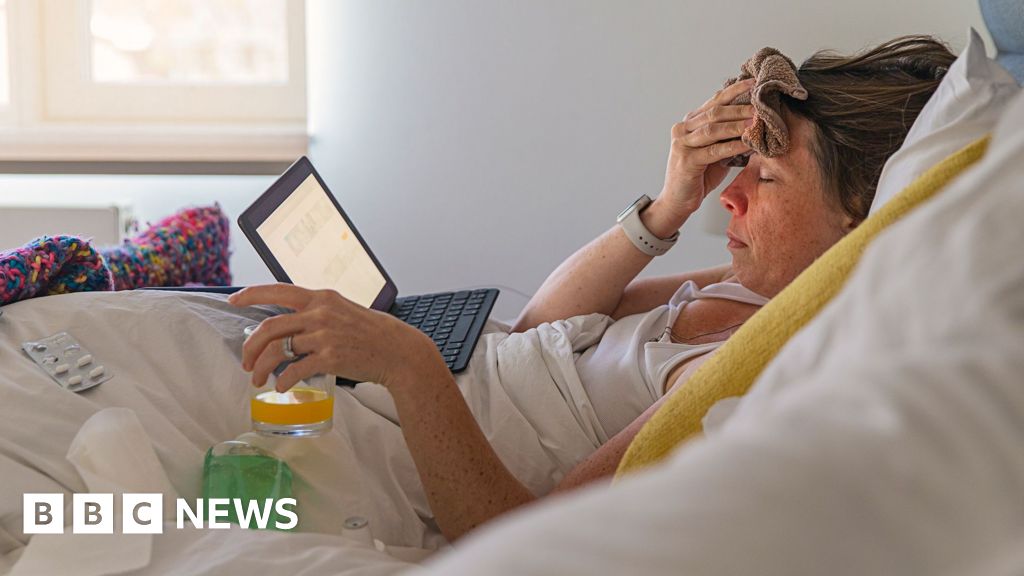
Flu Season: A Rising Concern and What You Need to Know
This winter, flu has made an early entrance, bringing with it a new mutated strain that is causing alarm across the UK. As a health editor, I find it crucial to dissect the implications of this outbreak, the response from health authorities, and the preventive measures individuals can take. Let’s delve into the details.
Current Flu Situation
The H3N2 “subclade K” strain is what we are contending with this season, often referred to as “super flu.” Although this term might suggest a heightened threat, it’s worth noting that it doesn’t imply a more severe illness but rather a lack of immunity in the population due to limited exposure in recent years.
- Flu jabs are still vital in protecting against severe illness.
- Hospitalizations have surged, with an alarming 2,660 patients per day recorded in early December.
- Recent trends show a decrease in flu cases, yet vigilance is still necessary.
What Lies Ahead?
Predicting the peak of this flu season is challenging. With the festive period approaching, increased social interactions will likely facilitate the virus’s spread. The NHS has cautioned that we are not yet “out of the woods.”
Who Should Get Vaccinated?
The NHS provides free flu vaccinations to vulnerable populations, including:
- Individuals aged 65 and over
- Those with specific long-term health conditions
- Pregnant women
- Residents of care homes
- Carers for older or disabled individuals
- People living with someone who has a weakened immune system
For everyone else, purchasing a flu jab from a pharmacy is recommended, typically costing around £20.
Logistics of Getting the Vaccine
If you choose to buy a flu vaccine, it is advisable to do so sooner rather than later. While there is no nationwide shortage of the vaccine for eligible individuals, those seeking to purchase it may need to check availability at various pharmacies.
Effectiveness and Timing of the Vaccine
The flu vaccine is designed to combat the strains prevalent this season, taking approximately 14 days to become effective. It’s essential to understand that while the vaccine does not cause flu, it prepares your body to fend off the infection should you encounter it.
Face Masks and General Precautions
While the government has not mandated the use of face masks, personal choice remains a key factor. Those exhibiting flu-like symptoms are encouraged to wear masks to curb the spread of the virus.
Identifying Symptoms: Flu vs. Cold vs. COVID-19
With various illnesses circulating, distinguishing between them can be tricky. Here’s a quick guide:
Colds:
- Gradual onset
- Affects the nose and throat
- Pressure in ears and chestier, mucus cough
Flu:
- Sudden onset
- Intense fatigue and muscle aches
- Dry cough, often requiring bed rest
COVID-19:
- Symptoms similar to flu
- Loss of taste or smell
- Digestive issues like diarrhea
Additional Protective Measures
To minimize your risk, consider the following recommendations:
- Ensure good ventilation when indoors.
- Practice thorough hygiene:
- Cough into your elbow or use tissues responsibly.
- Frequent handwashing with soap and water.
- Regularly disinfect commonly touched surfaces.
- If feeling unwell but needing to venture out, wearing a mask is advisable.
This flu season poses challenges, but understanding the situation and taking appropriate steps can help mitigate risks. For more detailed information, please read the original article here.