



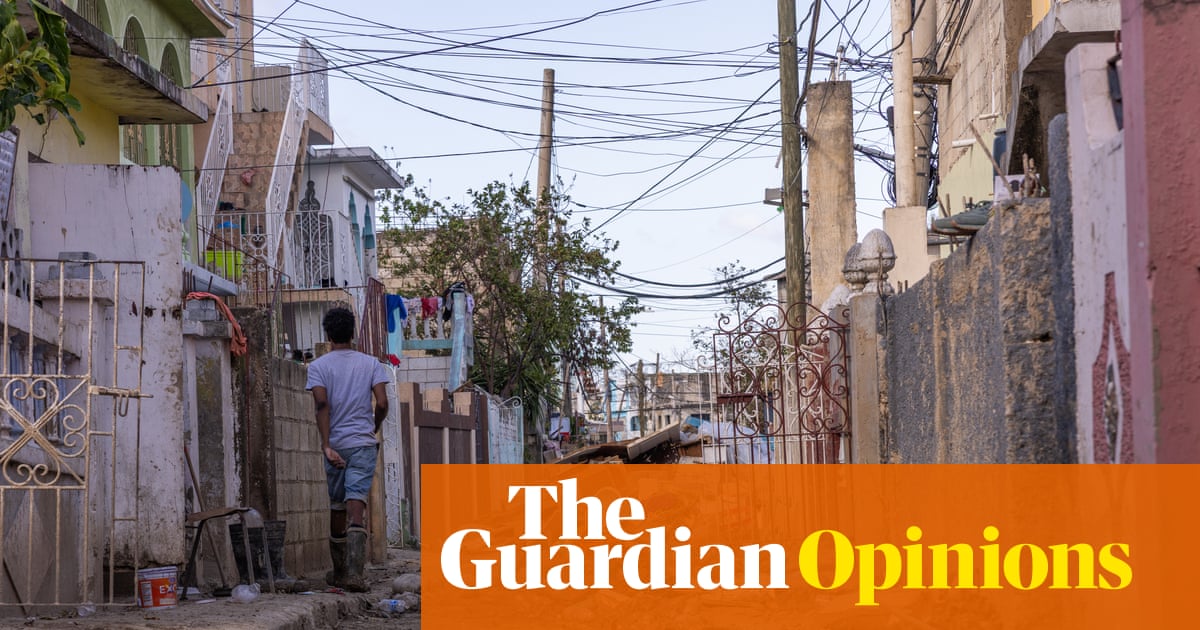
The recent devastation caused by Hurricane Melissa, with its record-breaking winds of 252 mph, serves as a stark reminder of the escalating impact of climate change. This event, along with other extreme weather phenomena, highlights a troubling reality: our planet is warming at an alarming rate, and the consequences are becoming increasingly dire.
The Climate Crisis Unfolds
Attribution science has provided us with clear evidence that the climate crisis is not a distant threat but a current reality. The statistics are sobering:
- Hurricane Melissa: Winds intensified by climate change made this storm five times more likely.
- Wildfires in Spain and Portugal: Conditions that led to these devastating fires were 40 times more likely due to global warming.
- Heatwave in England: The likelihood of this extreme heat event was increased by 100 times.
It is clear that human-induced climate change is a significant driver of these extreme weather events, and the need for effective climate adaptation strategies has never been more urgent.
A Call for Adaptation
The recent UN climate conference in Brazil saw a push for adaptation to climate change, yet the outcomes were disappointing. While the proposed adaptation budget has tripled to $120 billion, it falls short of the $300 billion promised last year, and the deadline for disbursement has been extended to 2035. This delay is particularly troubling for vulnerable nations that require immediate support to cope with the escalating climate crisis.
- The lack of clear mechanisms for wealthy nations to fulfill their financial commitments raises questions about the commitment to global climate justice.
- Countries like Jamaica, already burdened with debt, face the risk of diverting funds from sustainable development to disaster relief.
The Inequity of Climate Action
Within the context of climate adaptation, we must acknowledge the growing divide between rich and poor nations. Wealthier countries often view adaptation as a technical challenge, while for poorer nations, it is a matter of survival. This discrepancy is exacerbated by national policies that prioritize immediate economic interests over long-term climate resilience.
- Right-leaning governments in the West are increasingly resistant to the idea of supporting vulnerable nations in their adaptation efforts.
- Public awareness of climate risks is lacking, leading to inadequate political responses to the growing threat of climate change.
Urgency in Action
Despite the pressing need for emissions reduction, we cannot afford to neglect adaptation strategies. As the UK’s Climate Change Act mandates, the government must prepare for the inevitable impacts of climate change. The emphasis should be on:
- Developing robust flood defenses and resilient transport infrastructure.
- Ensuring food and supply chains can withstand global shocks.
- Building homes that are sustainable and equipped for future climate challenges.
For developed nations, adaptation is about prudence; for developing nations, it represents a fight for survival. The stark reality is that the latest UN report indicates developing countries will need over $310 billion annually by 2035, yet only received $26 billion in 2023. This gap in funding underscores the urgency of addressing climate adaptation.
Looking Forward
To build a sustainable future, we must shift our focus from merely cutting emissions to incorporating adaptation as a core component of national climate strategies. Nationally Determined Contributions (NDCs) should encompass comprehensive plans for both mitigation and adaptation, ensuring vulnerable nations receive the support they need to thrive in an increasingly unstable world.
This is not just about funding; it is about justice. The question we must grapple with is: how do we ensure that vulnerable nations not only survive but flourish in a warming world?
For a deeper understanding of the issues discussed, I encourage you to read the original news article at the source: The Guardian.