



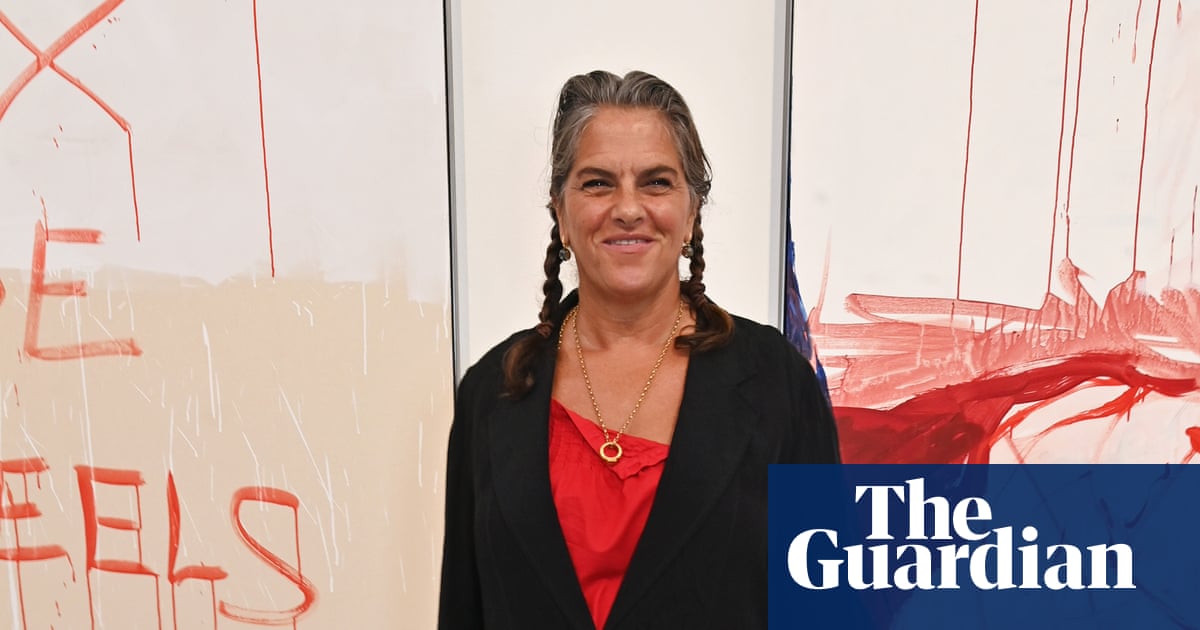
Insights on Living with a Urostomy: A Perspective on Tracey Emin’s Experience
In a recent interview, Tracey Emin shared her candid thoughts on the challenges of living without a bladder, a condition that many may not fully understand. While her experiences are undoubtedly valid, it is essential to explore a broader perspective on life with a urostomy—a topic that affects many individuals across the UK.
The Reality of Urostomy Surgery
Each year, approximately 100 people undergo urostomy surgery in the UK, a procedure that can be life-saving and transformative. However, the emotional toll of waiting for such surgery can be overwhelming.
- Trauma and Adjustment: The journey to surgery is often marked by anxiety and fear, but it is crucial to recognize that the outcomes can be significantly positive.
- Life After Surgery: Most individuals adapt to their new circumstances and return to their previous routines, albeit with some modifications.
- Benefits: Interestingly, many find that their new routine includes more manageable bathroom breaks, often leading to uninterrupted nights of sleep—a relief for many, particularly older men.
Sharing Personal Experiences
As someone who has undergone a similar procedure, I can attest that while every journey is unique, my experience has been markedly different from Emin’s.
- Personal Journey: Since my operation, I have adjusted to the routine of emptying my urostomy bag every two-and-a-half to four hours.
- Minimal Disruption: Thankfully, I rarely experience leakage and do not require a night bag during the day, allowing me to travel freely.
- A Different Perspective: It is important to share varied experiences to provide hope to those considering surgery, as not everyone faces the same challenges.
The Importance of Diverse Narratives
While Tracey Emin’s portrayal of her struggles with a stoma is poignant and should be respected, it is equally important to highlight that many individuals adapt successfully and lead fulfilling lives post-surgery. This diversity in experiences can provide a more comprehensive understanding of what it truly means to live with a urostomy.
Ultimately, sharing these different narratives can be a source of comfort and encouragement for those who might be facing similar health challenges. It’s crucial to remember that while the journey may be fraught with challenges, many find ways to thrive after such life-changing surgeries.
For those interested in exploring Tracey Emin’s insights further, I encourage you to read the original news article.