



Winter Heating Solutions: Practical Advice to Cut Costs
As winter sets in, many households are bracing for rising heating costs amidst falling temperatures. With the energy price cap projected to rise in January, I’ve gathered insightful strategies to help families stay warm without breaking the bank.
Understanding the Rising Energy Costs
This month, millions of households in England, Scotland, and Wales will experience a slight increase in energy bills, with Ofgem raising the price cap by 0.2%. The new cap, effective from January to March 2026, will see typical households paying £1,758 annually for electricity. This adjustment underscores the harsh reality that energy costs can disproportionately affect various demographics, especially those in older homes, renters, and low-income families.
Low-Cost Options for Energy Efficiency
Experts like George Pearson from Retrofit West emphasize that even minor adjustments can significantly reduce heat loss. Here are some practical steps to consider:
- Draught Proofing: Sealing gaps around skirting boards, letterboxes, and light fittings can be a cost-effective way to keep the heat inside.
- Boiler Efficiency: Lowering your boiler’s flow temperature from 60°C to 55°C or even 45°C can lead to substantial savings.
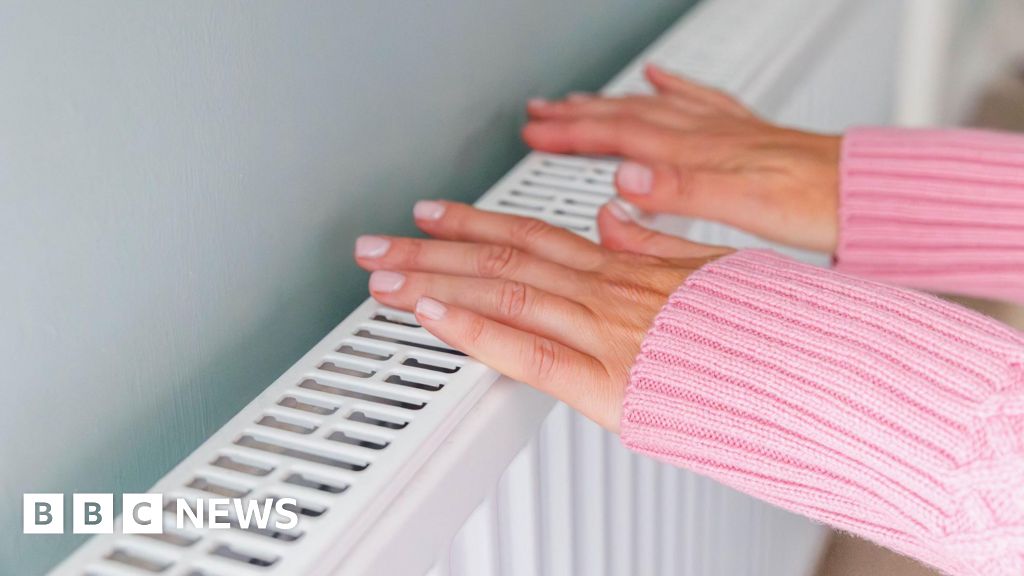
- Radiator Management: Turn off radiators in rooms that aren’t regularly used and adjust your central thermostat to maintain an efficient overall temperature.
- Thermostat Settings: Reducing your heating by just one degree can save you up to £73 per year, although it’s important to maintain a minimum of 18°C for vulnerable individuals.
- Boiler Maintenance: Regular servicing of your boiler can prevent costly breakdowns and enhance efficiency.
- Insulating Your Boiler: Adding a thick insulating jacket can save about £183 annually.
Maximizing Heating Efficiency
Beyond basic adjustments, there are additional strategies to enhance heating efficiency:
- Reflective Panels: Placing these behind radiators can redirect heat back into the room rather than allowing it to escape into the walls.
- Bleed Your Radiators: This simple task can improve heat distribution and efficiency.
- Energy Tariff Review: Switching to a cheaper fixed deal or a time-of-use tariff may result in lower bills.
- Dehumidifiers: Using a dehumidifier while drying clothes indoors can save on tumble dryer costs and help prevent dampness.
Medium-Cost Solutions for Long-Term Savings
For those looking to invest in more durable solutions, consider the following:
- Insulation: Enhancing your home’s insulation is a wise long-term investment that can help maintain comfortable temperatures year-round.
- Pipe Insulation: Insulating pipes can significantly reduce heat loss, making your hot water system more efficient.
- Loft Insulation: Installing 15.7 inches of insulation in your loft can drastically decrease heat loss and improve energy efficiency.
Government Assistance Programs
For those struggling to keep up with rising bills, various government programs can offer relief:
- Warm Homes Discount: A rebate on your energy bill, available automatically for eligible individuals.
- Winter Fuel Payment: Beneficiaries may receive between £100 and £300 based on their age.
- Cold Weather Payment: Available for those on certain benefits during periods of extreme weather.
- Warm Homes Grant: Funding for energy-saving improvements may be accessible to qualifying households.
The cold months ahead don’t have to mean financial strain. By implementing these strategies and exploring available assistance, households can weather the winter more comfortably and affordably.