



Trump’s Executive Order: A Shift in Cannabis Policy
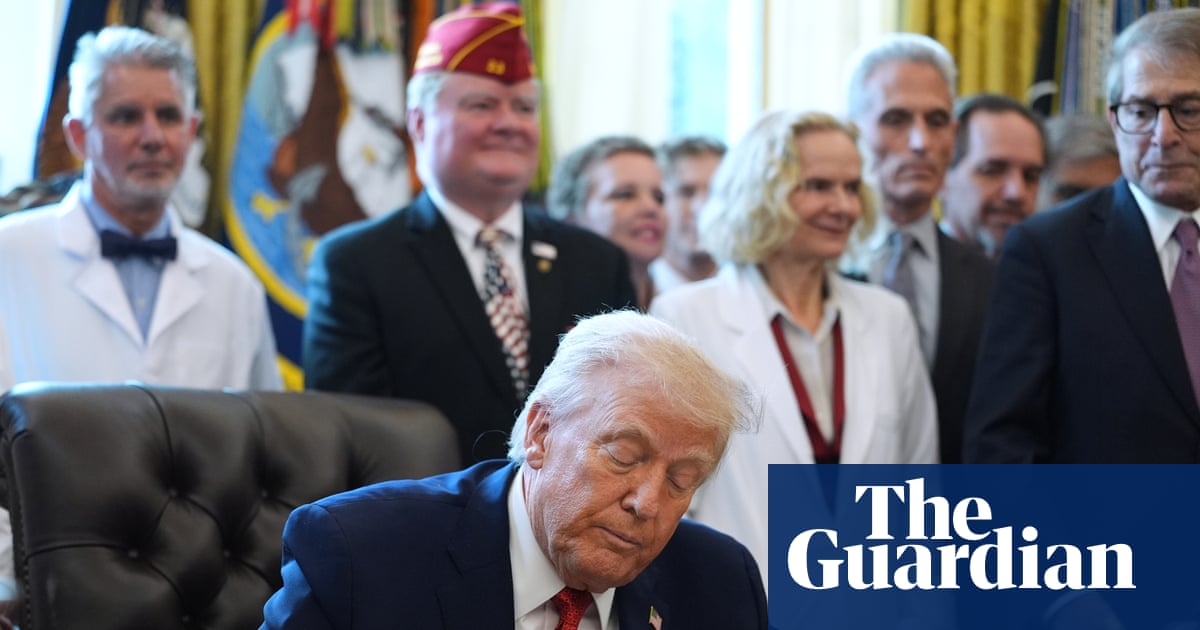
On Thursday, President Trump made headlines by signing an executive order aimed at reclassifying marijuana from the most restrictive drug category. This decision represents a significant shift in cannabis policy, albeit one that stops short of full legalization. In this analysis, I will delve into the implications of this order, its potential impact on research and regulation, and the broader societal context surrounding cannabis use.
Understanding the Reclassification
The president’s announcement from the Oval Office introduced a pivotal change: moving marijuana from a Schedule I to a Schedule III controlled substance. This classification aligns marijuana with substances that have recognized medical uses, such as certain prescription pain medications, while still keeping recreational use illegal at the federal level. Here are key points to consider:
- Research Opportunities: The new classification is expected to facilitate medical research into cannabis, allowing for a deeper understanding of its benefits and risks.
- Medicare Reimbursement: The introduction of a pilot program for reimbursing Medicare patients for CBD products could enhance access for those seeking therapeutic benefits from cannabis-derived compounds.
- Impact on Legal Cannabis Businesses: Reclassification could ease stringent federal tax penalties and improve access to banking services, which have long hindered legal cannabis operations.
Limitations of the Executive Order
Despite these advancements, it is crucial to note the limitations of this executive order:
- No Nationwide Legalization: The order does not legalize marijuana, maintaining a legal gray area for states that have already adopted more liberal cannabis laws.
- Law Enforcement Policies Unchanged: The executive action does not alter how law enforcement agencies manage marijuana-related arrests, leaving many regulatory hurdles intact.
- Need for DEA Rule-Making: The reclassification requires a formal rule-making process by the Drug Enforcement Administration (DEA), which may delay implementation.
Acknowledgment of Medical Benefits
For years, marijuana’s classification as a dangerous substance has faced significant pushback. The move to Schedule III represents a federal acknowledgment of the medical benefits of cannabis, a notion supported by public opinion. Recent Pew research indicates:
- 57% of Americans believe cannabis should be legal for both medical and recreational use.
- 32% advocate for legalization strictly for medical purposes.
This shift in perception aligns with comments from experts like Paul Armentano, deputy director of the National Organization for the Reform of Marijuana Laws (Norml), who emphasized that while the order validates the medical utility of cannabis, it falls short of the comprehensive reforms needed in federal marijuana policy.
Conclusion: A Step Forward or Just a Step?
In conclusion, Trump’s executive order marks a notable step forward in cannabis policy, reflecting a growing recognition of the substance’s medical applications. However, it remains a partial solution that does not fully embrace the desires of millions of Americans who favor broader legalization. As we move forward, the real test will be how this order translates into practical changes in research, healthcare access, and the ongoing conversation about cannabis in society.
For a deeper dive into this topic, I encourage you to read the original news article here.