



EU Leaders’ Financial Commitment to Ukraine: A Mixed Signal
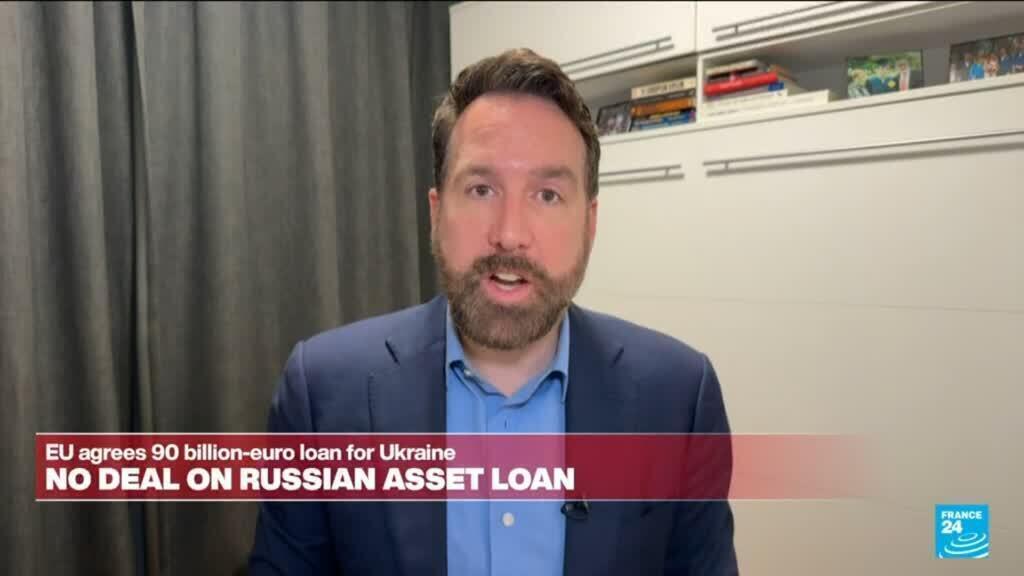
On December 19, a significant decision emerged from the European Union (EU) summit: leaders agreed to extend a €90 billion interest-free loan to Ukraine. This act of financial support is not only a lifeline for Ukraine but also a bold statement of unity among EU nations. However, as I analyze this development, several nuances surface that merit a closer examination.
Financial Support: A Solid Step Forward
Firstly, the loan is expected to cover approximately two-thirds of Ukraine’s financial needs over the next two years. This is a substantial commitment, reflecting the EU’s recognition of the urgent need to stabilize Ukraine amidst ongoing challenges. Here are a few key takeaways:
- Demonstrated Support: The agreement signifies that Europe stands firmly behind Ukraine in this critical period.
- Stabilizing the Economy: The financial assistance is crucial for maintaining Ukraine’s economic stability, which has been severely impacted by ongoing conflicts.
- Future Prospects: This loan may pave the way for further financial support and investment in Ukraine’s recovery and reconstruction efforts.
Challenges Ahead: The Russian Asset Dilemma
Despite this positive development, it is important to acknowledge the hurdles that remain. The EU leaders failed to reach a consensus on how to utilize frozen Russian assets to fund military aid for Ukraine. This raises several questions about the EU’s approach:
- Inconsistency in Strategy: While the loan is a positive sign, the inability to agree on the use of Russian assets suggests a lack of cohesion in the EU’s broader strategy towards supporting Ukraine.
- Funding Military Aid: The failure to unlock these assets indicates that the EU may not be fully leveraging available resources to bolster Ukraine’s defense capabilities.
- Political Divisions: The disagreement highlights underlying tensions among member states regarding the best course of action, which could hinder future support efforts.
Conclusion: A Balancing Act
In conclusion, while the €90 billion loan is a commendable step forward for Ukraine, it also underscores the complex landscape of EU politics and finance. The need for a cohesive strategy that includes the potential use of frozen Russian assets remains critical. As the situation evolves, it will be essential for EU leaders to align their efforts and present a united front in support of Ukraine.
For a more detailed account of this development, I encourage you to read the original news at France 24.