



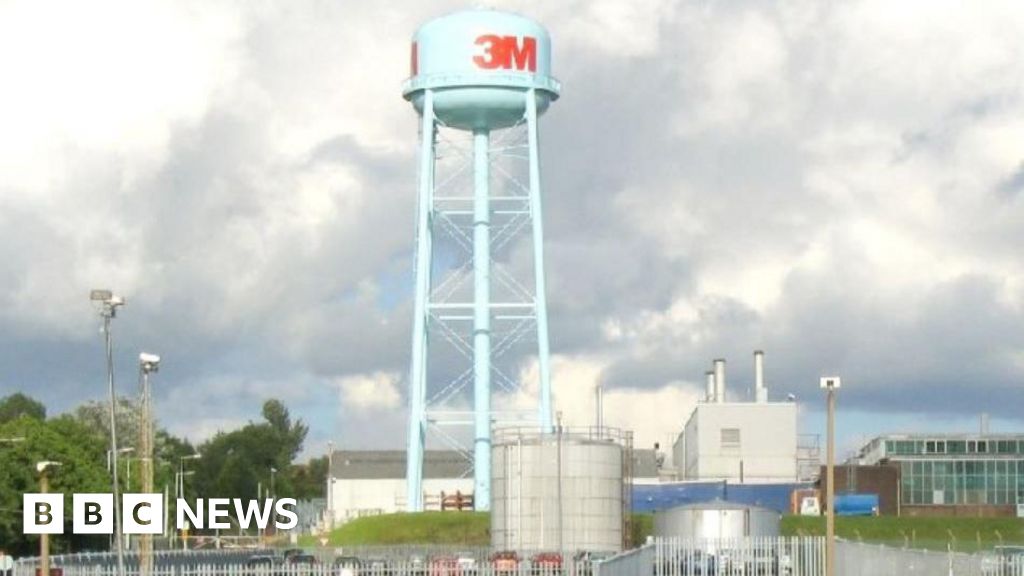
3M’s Toxic Legacy: A Deep Dive into the Swansea Factory Incident
Recent investigations have unveiled alarming details about the long-term exposure of factory workers in Swansea, Wales, to toxic chemicals embedded in firefighting foam. This situation raises serious questions about corporate responsibility and worker safety.
Critical Health Risks Ignored
For decades, employees at the 3M factory were unknowingly exposed to two harmful substances—PFOS and PFOA—widely recognized as “forever chemicals” due to their persistence in the environment and their potential carcinogenic effects. This negligence is particularly troubling considering that 3M had knowledge of the health risks associated with these chemicals since the 1970s.
- Decades of Exposure: Workers were routinely exposed to toxic firefighting foam without proper warnings or safety measures.
- Environmental Accidents: Despite halting the manufacture of these chemicals in 2002, hazardous materials were not removed from the site, leading to contamination incidents.
- Corporate Responsibility: 3M claims that employee health is a critical priority, yet their actions tell a different story.
Contamination Levels and Health Implications
The contamination report submitted to local authorities indicated PFOS levels in the soil ranging from 50 to over 1,500 micrograms per kilogram, which is significantly higher than the average in British soils. This situation poses serious health risks, particularly for those who worked in the factory:
- Health Risks: Exposure to PFOS and PFOA has been linked to severe health conditions, including liver damage, immune system issues, and an increased risk of cancer.
- Historical Context: 3M’s internal documents revealed knowledge of elevated PFAS levels in workers’ blood and a correlation with cancer cases.
- Community Impact: The contamination has not only affected workers but has also raised alarms in the surrounding community, with local waterways showing dangerously high levels of these chemicals.
Voices from the Factory
Former workers, like Ian, who served on the factory’s emergency response team, have shared harrowing accounts of their experiences. They were trained to handle chemical fires but were never informed about the risks associated with the firefighting foam they used:
- Training vs. Reality: Workers conducted training exercises without knowledge of the chemicals involved, leading to potential long-term health implications.
- Personal Accounts: Many former employees have faced serious health issues, including cancer, raising concerns about the lack of safety measures and transparency from 3M.
The Aftermath and Future Steps
The recent revelations have prompted calls for accountability and more stringent regulations regarding toxic substances in industrial settings. While 3M has stated its commitment to remediation efforts and future investments, skepticism remains about the sincerity of these claims:
- Ongoing Remediation: 3M has initiated cleanup efforts at the contaminated site, yet questions linger about the adequacy and transparency of these measures.
- Legal Implications: Ongoing litigation against 3M in various jurisdictions highlights the need for corporate accountability in environmental health matters.
- Community Engagement: It is crucial for 3M to engage openly with affected communities to rebuild trust and ensure safety moving forward.
In conclusion, the situation at the Swansea factory serves as a stark reminder of the potential human costs of industrial negligence. As we continue to uncover the truth behind these toxic legacies, it is imperative for corporations to prioritize the health and safety of their workers and the communities around them.
For more detailed information, I encourage you to read the original news article here.