



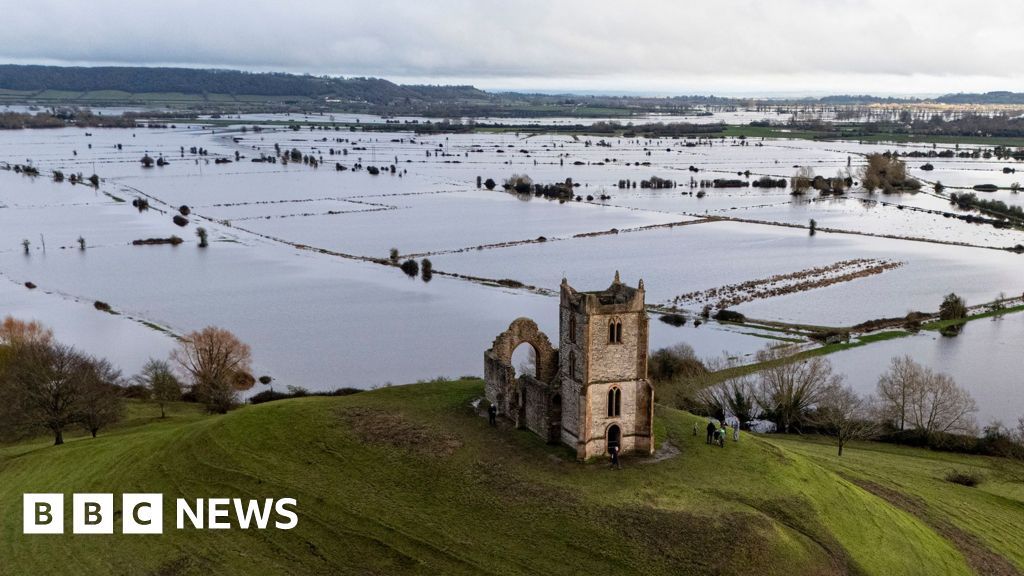
UK’s Record-Breaking Wet January: A Deep Dive
This past January has undoubtedly left an indelible mark on the UK, as many regions have recorded their wettest January in over a century. This phenomenon raises critical questions not only about our climate but also about the infrastructure and preparedness of our cities and communities.
Understanding the Impact of Excessive Rainfall
The implications of such unprecedented rainfall are manifold. Here are some key aspects to consider:
- Infrastructure Strain: Roads, bridges, and drainage systems are all at risk of being overwhelmed. The question is, are we investing enough in our infrastructure to cope with such extreme weather conditions?
- Flooding Risks: With this level of precipitation, flooding becomes a significant threat. Communities need to prepare better for emergency responses and resilience planning.
- Agricultural Concerns: Farmers are facing challenges in managing their crops. Excess water can lead to crop damage, affecting food supply and prices.
- Climate Change Factors: This event cannot be viewed in isolation. It is a stark reminder of the ongoing effects of climate change, which is likely to result in more unpredictable weather patterns in the future.
Personal Reflections and Insights
As we assess the situation, I find myself grappling with the larger narrative of climate resilience. The severity of this January’s weather patterns compels us to rethink our approaches to urban planning and disaster preparedness. Are we truly equipped to handle the shifting climate, or are we simply reacting to crises as they arise?
Moreover, the emotional toll on affected communities cannot be overlooked. The anxiety and uncertainty that accompany such extreme weather can have lasting effects on mental health and community cohesion. It’s imperative that we not only focus on the physical reconstruction but also prioritize support for those impacted.
Looking Ahead
In light of these events, it is crucial for policymakers to take decisive action. Here are a few recommendations:
- Invest in Resilient Infrastructure: Prioritize funding for infrastructure that can withstand extreme weather.
- Enhance Flood Management Systems: Develop more effective flood control systems and emergency response strategies.
- Promote Climate Awareness: Educate the public on climate change impacts and encourage community involvement in sustainability initiatives.
As we continue to navigate the challenges posed by climate change, let us remain vigilant and proactive. This exceptional January serves as a wake-up call for all of us to take action before the next storm brews on the horizon.
For further details on this record-breaking weather event, I encourage you to read the original news article here.