



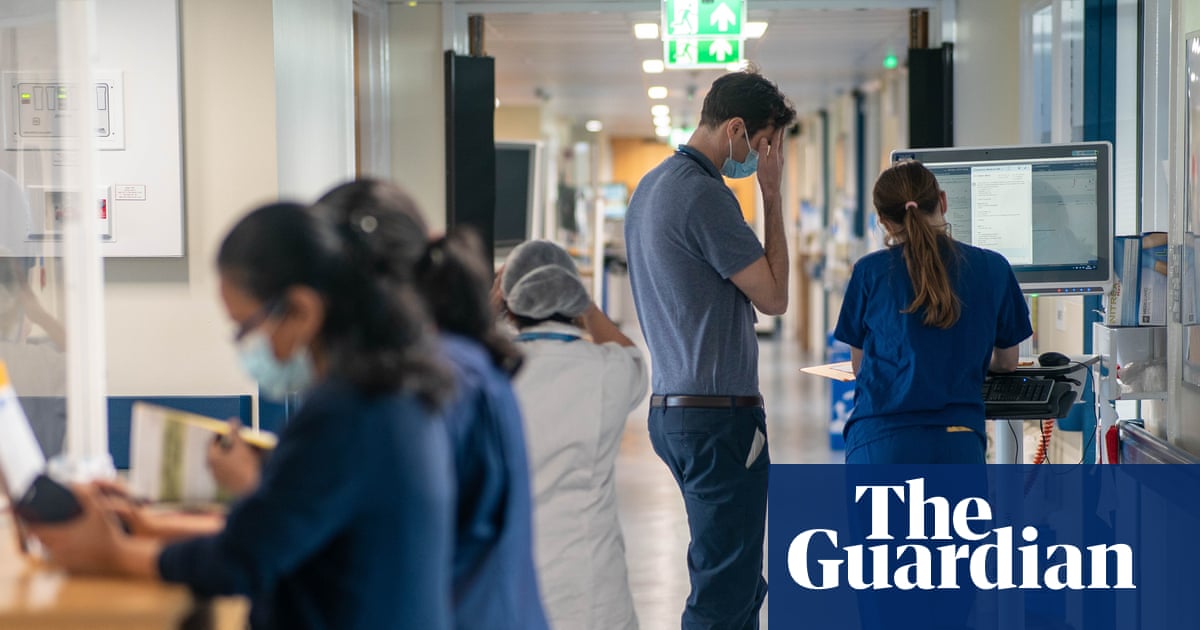
NHS on the Brink: A Call to Action for Resident Doctors
Wes Streeting, the Health Secretary, has issued a stark warning about the precarious state of the NHS as we approach the Christmas season. With the specter of strikes by resident doctors looming and a significant rise in flu cases, the situation could become critical. Here’s my analysis of his comments and the surrounding context.
The Jenga Piece Analogy
Streeting’s use of the “Jenga piece” metaphor encapsulates the fragility of the current NHS framework. He asserts that the ongoing strikes could destabilize an already taxed system. This analogy resonates deeply, as it highlights how one more critical issue could lead to a collapse:
- Strikes by resident doctors: A call to action that could exacerbate existing challenges.
- Flu cases surging: With hospitalizations rising dramatically, the NHS is under strain.
- The holiday season: A time when healthcare demands typically increase.
Current Situation in the NHS
The latest NHS figures reveal a concerning trend. Flu cases have surged by 55% within a week, resulting in an average of 2,660 patients hospitalized each day. Streeting’s assertion that hospitalizations could triple by peak flu season is alarming and warrants immediate attention.
Mixed Perspectives from NHS Officials
Dr. Chris Streather, a regional medical director at NHS England, has attempted to temper fears regarding the NHS’s capacity to cope. While he acknowledges the seriousness of flu admissions, he insists that the current situation, although challenging, is manageable:
- Preparedness improvements: Lessons from the pandemic have led to increased critical care capacity.
- Comparison to the pandemic: Current flu cases are severe but not on the same scale as the Covid-19 crisis.
The Call for Unity
Streeting has appealed directly to resident doctors, urging them to accept the government’s offer to end their planned strikes. This plea is not just about maintaining order; it’s about ensuring that the NHS can continue to provide care during a particularly vulnerable time.
Implications of the British Medical Association’s Actions
The British Medical Association (BMA) is currently consulting its members regarding the government’s new offer, which includes:
- Priority for homegrown doctors: New legislation to ensure local trainees have the first choice for specialty roles.
- Increase in training posts: A commitment to expand specialty training positions over the next three years.
- Funding for exams and memberships: Financial support for resident doctors’ necessary qualifications.
The BMA’s decision on whether to proceed with strikes could have far-reaching implications for the NHS during this critical period.
Conclusion
The message from Wes Streeting is clear: the NHS is at a crossroads. As we navigate the complexities of healthcare during the holiday season, the actions of resident doctors could determine whether we maintain stability or face unprecedented challenges. It’s a pivotal moment that requires careful consideration and collective action.
For those interested in the original details of this developing story, I encourage you to read the full article at the source: The Guardian.