



Media Consolidation: A Threat to Free Speech and Democracy
In recent developments, former President Donald Trump’s vocal desire for CNN to be sold has sparked a significant reaction within the media landscape. Trump’s insistence that CNN should be part of any deal involving Warner Bros Discovery has set the stage for a potentially tumultuous shift in media ownership. As I analyze the situation, it becomes evident that the implications extend far beyond mere corporate mergers; they touch upon the core of free speech and democratic values.
The Race for Warner Bros Discovery
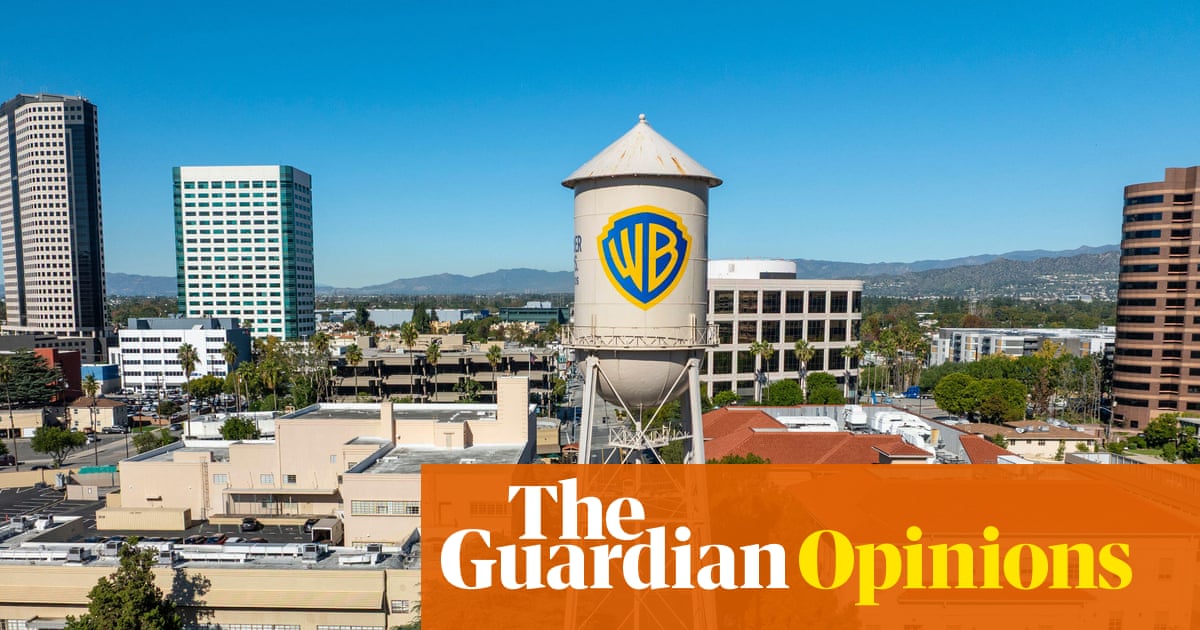
We are witnessing a fierce bidding war over Warner Bros Discovery, with Netflix offering a staggering $82.7 billion, only to be countered by a hostile takeover bid of $108 billion from Paramount Skydance, led by David Ellison. This high-stakes competition raises several concerns:
- Both bids threaten to concentrate media power into even fewer hands.
- Such consolidation could severely restrict the diversity of stories we see and hear.
- These developments occur in an environment where the Trump administration appears to be using merger reviews as a means to exert influence over media narratives.
Regulatory Concerns and Press Freedom
The recent House judiciary hearing on streaming competition has underscored the dangers of these mergers. Lawmakers expressed anxiety over how the Trump administration’s influence could lead to editorial concessions from media companies desperate for regulatory approval. This situation is not mere speculation; it is already manifesting in troubling ways.
For instance, Paramount’s settlement of a $16 million lawsuit from Trump last year raises eyebrows about the potential for compromised editorial integrity. The installation of a “bias monitor” at CBS News, a move criticized by FCC Commissioner Anna Gomez as unprecedented government control, exemplifies the risks associated with these mergers.
Impact on Content and Journalism
The ramifications of such mergers are immediate and damaging. Notably:
- Key personnel at CBS News have resigned in light of these pressures.
- Stephen Colbert’s late-night show was cancelled, seemingly as a concession to facilitate the merger.
- These moves reflect a worrying trend of media entities sacrificing journalistic integrity to appease powerful political figures.
While Netflix may initially appear as a less threatening player, its history of yielding to political pressure is equally concerning. The company’s past decision to remove a satirical show critical of Saudi Arabia highlights how entertainment platforms can influence public discourse, often in ways that circumvent traditional journalism.
The Threat of Consolidation
The ongoing consolidation within the media landscape is alarming. As seen in the aftermath of Disney’s acquisition of Fox, the industry has witnessed:
- Numerous film cancellations and a significant decline in theatrical releases.
- Increased prices for consumers, with Netflix raising subscription rates multiple times since 2014.
- A tendency towards self-censorship in content production, particularly concerning politically sensitive topics.
A Call for Action
Both Netflix and Paramount Skydance pose significant risks to free speech, albeit through different mechanisms. The potential for the Ellison family to control major news organizations like CBS News and CNN raises serious questions about the future of independent journalism in America. This is not just a theoretical issue; it is a documented pattern of behavior that warrants immediate attention.
In light of these developments, it is imperative that the FCC and the Department of Justice exercise their authority to reject any mergers that threaten the public interest and violate antitrust laws. Allowing such acquisitions to proceed would grant extraordinary power over media narratives to corporations operating under coercive political influence—a scenario that is decidedly not in the best interest of democracy.
As we stand at this critical juncture, it is essential for regulators to act decisively to safeguard the future of free speech and diverse media representation.
For those interested in a deeper understanding of this issue, I encourage you to read the original news article here.