



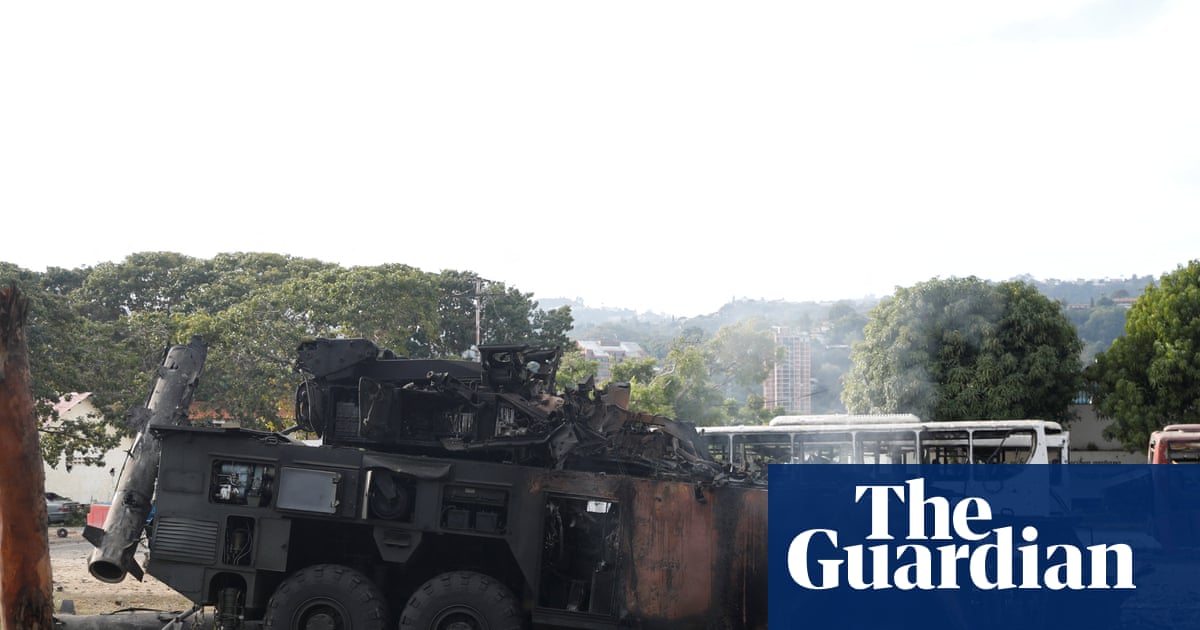
Analysis of the Recent Military Action in Venezuela
In a dramatic turn of events that could reshape the geopolitical landscape in Latin America, President Donald Trump has proclaimed the capture of Nicolás Maduro and his wife, Cilia Flores, following a significant military operation in Caracas. This situation demands careful examination and raises numerous questions about the implications for Venezuela and international relations.
Key Developments
- Criminal Charges Announced: US Attorney General Pam Bondi has stated that Maduro and Flores will face criminal charges in New York, signaling a firm stance from the US government. Bondi’s commitment to bring them to justice in American courts underscores the seriousness of the allegations against them.
- Indictments and Drug Allegations: Secretary of State Marco Rubio has confirmed that Maduro is under indictment for drug trafficking, a charge that could have far-reaching implications if proven. The anticipation expressed by Senator Mike Lee regarding no further action in Venezuela indicates a potential stabilization of US involvement.
- Claims of Military Aggression: The Venezuelan government has accused the US of launching military attacks against civilian and military targets, framing the operation as an act of imperialism. This accusation is likely to exacerbate tensions not only within Venezuela but also with neighboring nations.
Domestic and International Reactions
- Call for Resistance: Venezuela’s leadership has urged citizens to mobilize against what they describe as military aggression, warning of chaos in Latin America. This rhetoric could incite further unrest within the already volatile nation.
- International Outcry: Reactions from world leaders, including Colombia’s President Gustavo Petro and UK Prime Minister Keir Starmer, highlight a division in the international community. Petro’s call for a UN Security Council meeting and Starmer’s emphasis on upholding international law reflect concern for Venezuela’s sovereignty and the potential for conflict escalation.
- Russia’s Demand for Clarity: The Kremlin’s request for immediate clarification regarding Maduro’s capture illustrates the global ramifications of this event, as Russia has historically supported Maduro’s regime. The demand for proof of life adds a layer of intrigue and concern over the potential outcomes of this situation.
- Brazil’s Condemnation: President Luiz Inácio Lula da Silva’s condemnation of the US actions as a grave affront to Venezuela’s sovereignty highlights the regional backlash against perceived US imperialism, which could lead to increased solidarity among Latin American nations against US interventions.
Conclusion
This unfolding situation in Venezuela is complex and layered with historical, political, and social nuances. The capture of Maduro not only raises questions about the future of Venezuela but also about the broader implications for US foreign policy and its relationships with other nations in the region. The international community is watching closely, and the coming days will be critical in determining the course of events.
For a more in-depth look at this developing story, I encourage you to read the original news at the source.