



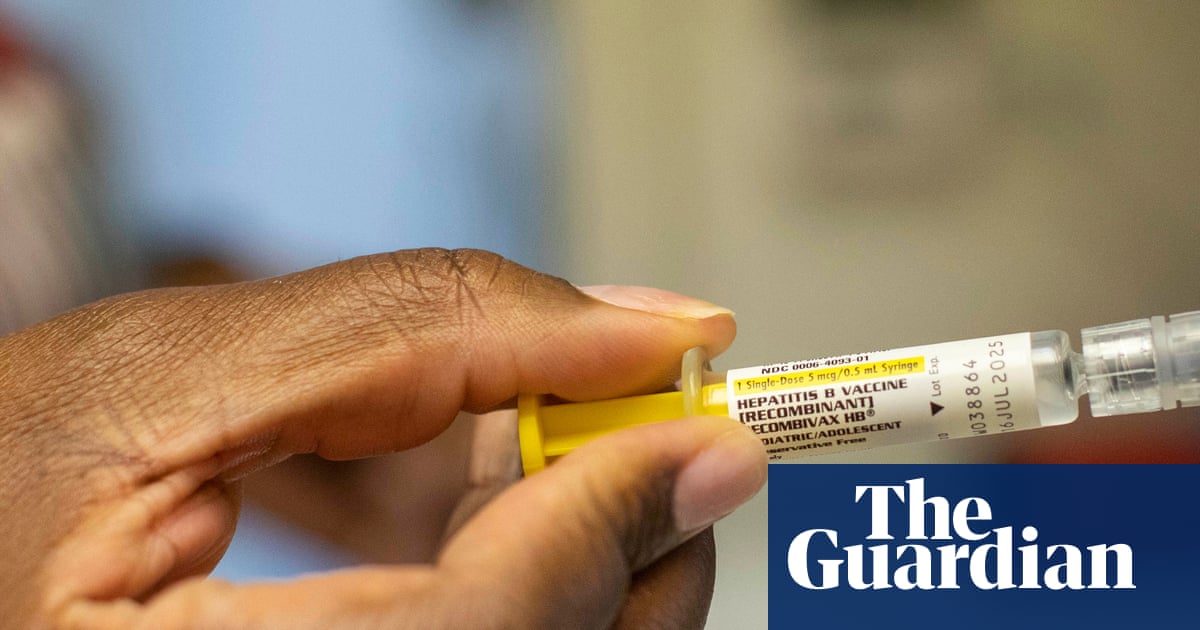
Controversial Hepatitis B Vaccine Study in Guinea-Bissau Halted
Recent developments regarding the US-funded hepatitis B vaccine study among newborns in Guinea-Bissau have raised significant ethical concerns, culminating in the study’s cancellation. This decision, announced by Yap Boum of the Africa Centres for Disease Control and Prevention (CDC), reflects the growing scrutiny of research practices in vulnerable populations.
Background of the Study
The study, backed by $1.6 million in funding and associated with Robert F. Kennedy Jr., a controversial figure known for his skepticism towards vaccines, was designed to evaluate the efficacy of hepatitis B vaccines. Critics quickly raised alarms over the ethical implications of withholding effective vaccines from newborns in a country burdened by a high prevalence of hepatitis B.
Ethical Concerns Raised
Boum emphasized the necessity for evidence-driven policy in healthcare, yet insisted that ethical standards must not be compromised for the sake of research. The cancellation stems from:
- Concerns about the ethical design of the trial.
- The risk of depriving half of the participants of a potentially life-saving vaccine.
- Ongoing discussions between Guinea-Bissau officials and US representatives about the study’s ethical conduct.
The Current Situation
Despite the cancellation, Guinea-Bissau officials indicated that the trial might still proceed, contingent upon a redesign that addresses these ethical issues. The Africa CDC is committed to ensuring that any future studies conform to ethical guidelines, showcasing a shift towards greater accountability in international research.
Expert Opinions
The decision to halt the study has been welcomed by many experts in the field, including infectious diseases physician Paul Offit, who described it as a significant victory for patient advocacy and ethical standards. Offit likened the study’s design to historical abuses in medical research, such as the Tuskegee study, where individuals were knowingly deprived of effective treatment.
Implications for Future Research
This incident underscores the critical need for ethical oversight in medical research, especially in countries with vulnerable populations. Advocates argue that:
- Research should be conducted with the utmost respect for human rights.
- Studies should be designed and led by local scientists, informed by the needs and voices of the communities involved.
- Financial resources should focus on providing vaccines rather than conducting potentially harmful trials.
The ongoing discussions and the eventual outcome of this situation will likely shape the landscape for future health research in Africa, highlighting the importance of ethical practices and the protection of vulnerable populations.
For more details on this developing story, you can read the original news article here.