



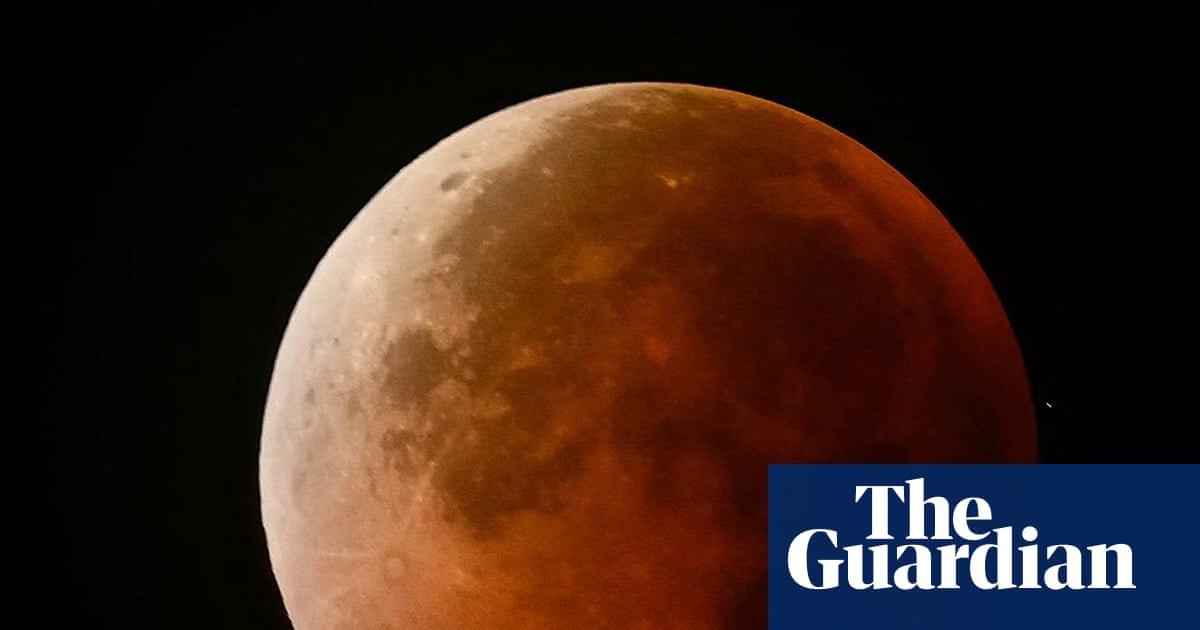
Total Lunar Eclipse: A Celestial Spectacle Awaits
On Tuesday, a remarkable celestial event will unfold as North America, Australia, and New Zealand are treated to a total lunar eclipse, commonly referred to as a “blood moon.” This unique phenomenon is not just an astronomical occurrence; it’s a cultural and historical spectacle that has captivated humanity for centuries.
The Science Behind the Blood Moon
A lunar eclipse occurs when the Earth positions itself directly between the sun and the moon, blocking sunlight and casting a shadow. However, during a total lunar eclipse, some sunlight still reaches the moon, filtering through the Earth’s atmosphere. This bending of light results in the moon being tinted a deep, coppery red.
Dr. Rebecca Allen of Swinburne University explains that this reddish color happens because, “any light that does pass shines through our atmosphere and transforms the lunar surface.” Dr. Brad Tucker from the Australian National University further elaborates, stating that this effect is akin to the hues seen during a sunset, where the light gets refracted, illuminating the moon in vibrant shades of orange and red.
Optimal Viewing Conditions
To fully appreciate this celestial wonder, it’s advisable to find a dark location away from city lights. Allowing your eyes to adjust for 10 to 15 minutes will enhance your viewing experience. Additionally, Jupiter will be visible high in the sky, creating what Dr. Allen describes as “a great pairing” for this event.
Viewing Times by Region
Australia
- Sydney, Canberra, Melbourne, Hobart – starts 10:04 PM, ends 11:02 PM
- Brisbane – starts 9:04 PM, ends 10:02 PM
- Adelaide – starts 9:34 PM, ends 10:32 PM
- Darwin – starts 8:34 PM, ends 9:32 PM
- Perth – starts 7:04 PM, ends 8:02 PM
New Zealand
In New Zealand, the eclipse will reach its peak shortly after midnight. Prof. Richard Easther from the University of Auckland assures that “it will be visible everywhere in the country.” He emphasizes the significance of such events in fostering a connection with the night sky.
North America
In North America, the total lunar eclipse will be observable early on March 3rd. However, those located near the edges of the visibility region may only catch a partial view due to the moon setting.
- New York, Washington DC – starts 3:44 AM, ends about 6:30 AM
- Detroit – starts 3:44 AM, ends 7:06 AM
- New Orleans, Chicago – starts 2:44 AM, ends about 6:24 AM
- San Francisco, Los Angeles – starts 12:44 AM, ends about 6:23 AM
Future Eclipses and Their Significance
According to Dr. Allen, total lunar eclipses typically occur every 18 months to three years. The next one will take place on New Year’s Eve in 2028, visible from Europe, Asia, Australia, and Africa, but not the Americas. The next total lunar eclipse observable from North America won’t happen until June 2029.
Understanding the Cultural Impact of the Blood Moon
In contemporary society, the blood moon is often viewed as a breathtaking natural event. Dr. Allen poignantly states that it serves as a reminder of our existence within a dynamic solar system. Historically, however, lunar eclipses were often seen as ominous signs. The ancient Inca viewed the red color as a jaguar attacking the moon, while in Mesopotamia, eclipses were interpreted as threats to kings. Native American tribes would perform healing rituals directed at the obscured moon, showcasing the deep cultural connections to these celestial occurrences.
Interestingly, the March full moon is also known as the “worm moon,” symbolizing the first signs of life as the soil begins to warm.
As we prepare to witness this extraordinary event, let’s take a moment to appreciate the beauty and mystery of our universe. For further details on the upcoming blood moon, please refer to the original news source here.