



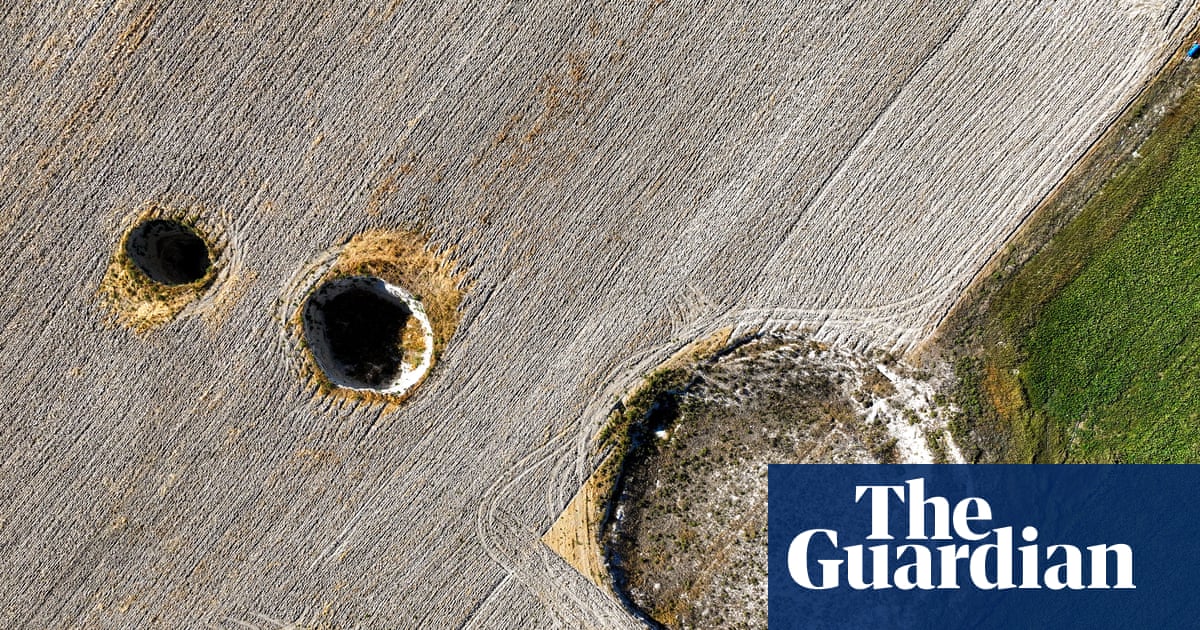
Global Water Bankruptcy: A Call for Urgent Action
The recent UN report paints a stark picture of the state of our planet’s water resources, declaring that we have entered an era of “global water bankruptcy.” This alarming trend threatens billions of people worldwide and underscores the urgent need for action. As I delve into this critical issue, it becomes clear that we are at a pivotal moment that demands our immediate attention.
The Reality of Water Bankruptcy
According to the report’s lead author, Professor Kaveh Madani, the overuse and pollution of our water systems are not just environmental concerns; they pose significant risks to global peace and social cohesion. Here are some key takeaways:
- Unsustainable Usage: Many societies are depleting water sources faster than they can be replenished, particularly in rivers and aquifers.
- Climate Crisis Impact: The ongoing climate crisis exacerbates these challenges, leading to unpredictable weather patterns and diminishing water supplies.
- Water Insecurity: A staggering 75% of the global population resides in countries classified as water-insecure.
This report serves as a wake-up call; it highlights that many human water systems have already passed the point of recovery. The implications of this situation extend beyond environmental degradation; they threaten the very fabric of societies dependent on these critical resources.
Escalating Water Conflicts
The report indicates a troubling rise in conflicts over water resources, with incidents increasing dramatically since 2010. Major rivers are failing to reach their destinations, and cities across the globe are facing “day zero” emergencies—situations where they run out of water entirely, as seen in Chennai, India. The statistics are staggering:
- Over 400 water-related conflicts have been recorded in 2024, up from just 20 in 2010.
- Half of the world’s large lakes have shrunk significantly since the early 1990s.
These trends not only threaten human life but also destabilize regions, creating fertile ground for conflict and migration. The report emphasizes that water scarcity has become a driver of fragility and displacement, which we can no longer ignore.
Solutions and Opportunities
Despite the grim outlook, the report offers a glimmer of hope. Professor Madani suggests that addressing water bankruptcy could serve as a unifying force among nations, fostering collaboration across political divides. Here are some proposed solutions:
- Reform Water Management: Redesigning how we manage water resources is crucial, including more efficient agricultural practices and urban infrastructure.
- Community Support: It is vital to support communities that depend on water-intensive sectors to adapt to changing conditions.
- Political Will: Implementing these changes will require honesty, courage, and political commitment at all levels.
As Madani aptly points out, we cannot reverse the damage already done, but we can prevent further losses and create systems that work within the limits of our hydrological realities.
The Bigger Picture
Experts argue that the issue of water bankruptcy is intertwined with population growth and climate variability. Dr. Jonathan Paul highlights that our approach to water management needs to evolve to address these complexities. The current frameworks are inadequate and often neglect the voices of those most affected.
In conclusion, it is imperative that we recognize the severity of the situation. The degradation of our water systems is not merely an environmental issue; it is a pressing humanitarian crisis that requires immediate and sustained action. The time for complacency is over, and we must mobilize resources and political will to ensure a sustainable future for all.
For those interested in reading the full details of the UN report, I encourage you to check out the original source here.