



UK’s Ambitious Offshore Wind Initiative: A Double-Edged Sword?
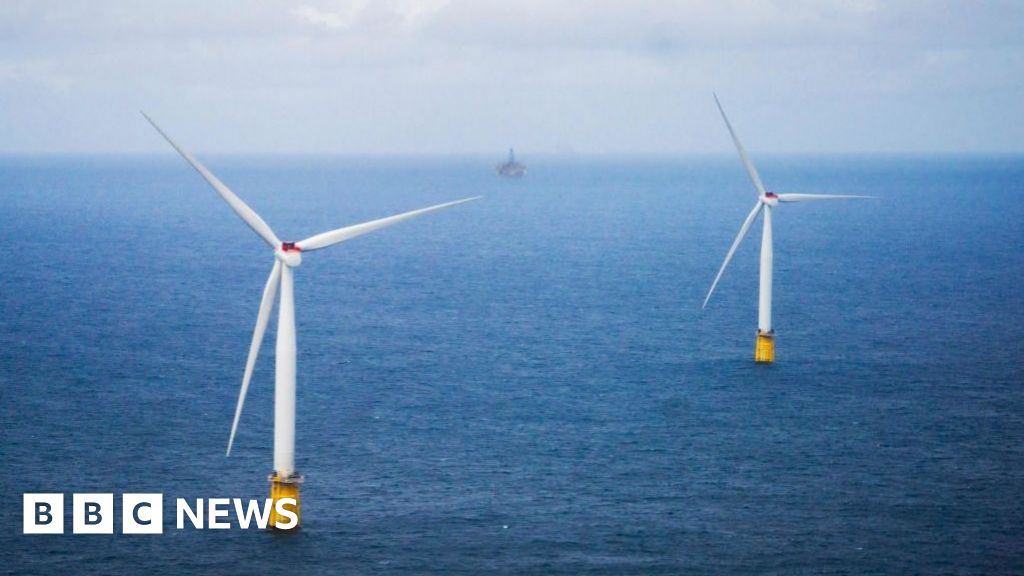
The UK government is on the verge of launching a significant new fleet of offshore wind projects in the North Sea, collaborating with eight European nations, including Norway, Germany, and the Netherlands. This move is part of a broader strategy aimed at enhancing energy security and reducing reliance on fossil fuels.
Strengthening Energy Security
The rationale behind this initiative is clear: the government is keen to escape what it describes as the “fossil fuel rollercoaster.” By investing in renewable energy, particularly offshore wind, the UK aims to stabilize energy prices and ensure a more sustainable energy future.
Interconnectors: A New Dimension
For the first time, these wind farms will be connected to multiple countries via undersea cables, known as interconnectors. While proponents argue this connectivity will reduce energy costs across the region, there are concerns that it might lead to price volatility.
- Pros:
- Potentially lower prices for consumers due to increased competition.
- Improved energy security through diversified supply.
- Cons:
- Wind farm operators may prioritize selling power to the highest bidder, driving up prices during supply shortages.
- Concerns about potential adverse impacts on local communities and economies.
Mixed Reactions from Stakeholders
Energy Secretary Ed Miliband is set to sign a declaration in Hamburg, affirming the commitment to complete this scheme by 2050. Supporters like Jane Cooper, deputy CEO of RenewableUK, assert that this deal will drive down costs and enhance energy security. However, critics, including shadow energy secretary Claire Countinho, caution that the rush to construct wind farms could inflate energy bills instead.
Existing Infrastructure and Future Prospects
The UK already boasts a network of undersea cables linking its electricity grid with Europe. This new initiative will mark a significant milestone by directly connecting wind farms to multiple countries, which is expected to:
- Reduce costs through improved supply chain efficiency.
- Mitigate issues related to congestion in the electricity network.
- Provide opportunities for energy trading that can lead to cost savings for consumers.
Challenges Ahead
While the potential benefits are significant, the initiative is not without its challenges. Norway has already expressed concerns about the implications of selling power abroad, which could impact domestic supply and drive up prices for its consumers. Efforts to impose restrictions on exports during domestic shortages are indicative of the delicate balance that must be maintained.
The Bigger Picture
This ambitious plan also reflects Europe’s ongoing commitment to renewable energy, despite criticisms from figures like former US President Donald Trump. With a target of developing 300 gigawatts (GW) of offshore wind capacity by 2030, this initiative signals a critical step towards a sustainable energy transition.
In conclusion, while the UK’s strategy to expand its offshore wind capacity holds promise for energy security and cost reduction, the complexities of international energy markets and domestic needs must be carefully navigated. The balance between ambitious growth and responsible management of resources will determine the success of this initiative.
For further details, I encourage you to read the original news article here.