



Analysis of the UK’s Ambitious Warm Homes Plan
In a significant move aimed at combating rising energy costs and promoting sustainability, the UK government has unveiled its long-awaited Warm Homes Plan. This initiative promises to allocate £15 billion over the next five years to support households in adopting renewable energy technologies. Here’s my take on this ambitious plan and what it means for the future of energy in Britain.
The Vision Behind the Warm Homes Plan
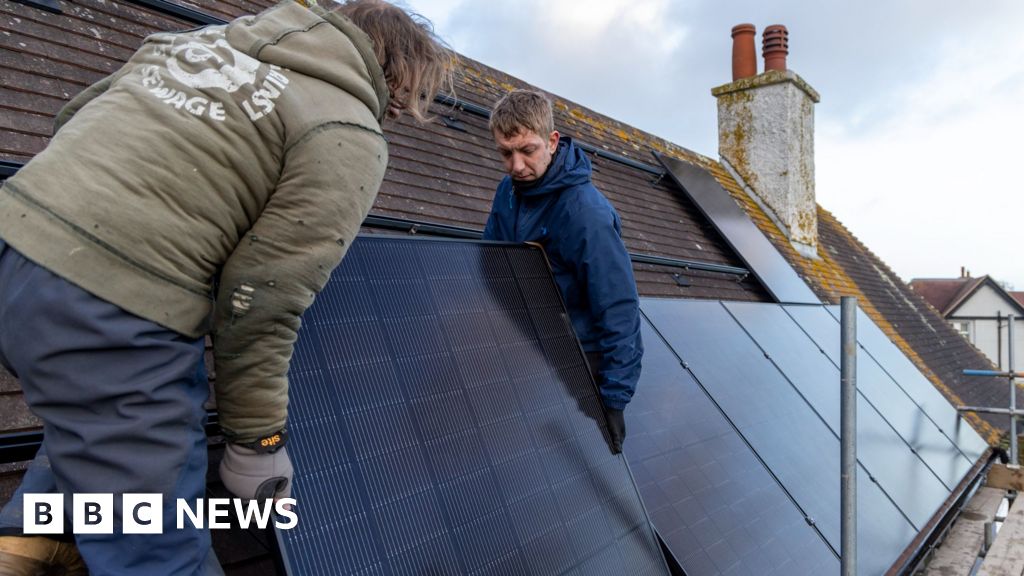
The government’s aspiration of creating a “rooftop revolution” is commendable, with the aim of tripling the number of homes equipped with solar panels and lifting one million people out of fuel poverty. However, the success of such a grand vision hinges on effective implementation and public buy-in.
Key Features of the Plan
The Warm Homes Plan introduces several key components aimed at making green energy more accessible:
- Extension of the Boiler Upgrade Scheme until 2029/30, providing £7,500 grants for heat pumps.
- Allocation of an additional £600 million for low-income households, totaling £5 billion for solar panels and batteries.
- Provision of low and zero-interest loans for households, regardless of income.
Industry Response and Concerns
The energy and finance sectors have largely welcomed the plan, recognizing the government’s commitment as a catalyst for private investment in green technologies. Figures like Dhara Vyas from Energy UK have emphasized the importance of this substantial financial commitment, which is expected to drive innovation and create jobs in the clean energy sector.
However, skepticism remains, particularly about the long-term viability of the plan. Critics, including Richard Tice from the Reform party, have labeled the initiative a potential “scandalous waste” of taxpayer money, arguing that it could primarily benefit foreign manufacturers of solar panels and heat pumps.
Challenges Ahead
While the plan aims to transition households to low-carbon technologies, challenges persist:
- High installation costs may deter many households, even with available grants.
- Concerns about the reliability and efficiency of heat pumps, particularly in the face of fluctuating electricity prices.
- The need for clearer timelines and guidelines on how households will access these funds remains an unresolved issue.
Shifting Focus: Insulation Funding Cutbacks
Interestingly, the original proposal included a robust focus on insulating homes to mitigate heat loss, a strategy that has now been deprioritized. This shift raises questions about the overall effectiveness of the plan in addressing the energy crisis, as insulation plays a crucial role in energy efficiency.
Future of Rental Properties and New Builds
The Warm Homes Plan includes measures aimed at improving energy efficiency in rental properties, with landlords required to achieve a minimum EPC score of C by 2030. However, this change may not be enough to address the immediate needs of renters living in poorly insulated homes.
Furthermore, the commitment to ensuring new homes incorporate low-carbon technologies is essential. The government’s assurance that new builds will feature high energy efficiency standards and solar panels is a step in the right direction, but the industry has been waiting for these updates for far too long.
Conclusion: A Mixed Bag of Opportunities and Challenges
The Warm Homes Plan is undoubtedly a bold commitment to transforming the UK’s energy landscape. However, the true measure of its success will depend on addressing the myriad challenges that lie ahead. From installation costs and efficiency concerns to regulatory measures affecting renters, the government must navigate these issues with precision to ensure that the vision of a sustainable and affordable energy future becomes a reality for every household.
For those interested in delving deeper into the specifics of the Warm Homes Plan, I encourage you to read the original news article here.