



UK’s Electric Vehicle Review: A Timely Shift
The UK government has announced a significant change in its approach to electric vehicle (EV) sales targets, moving the review date from 2027 to next year. This shift indicates a responsiveness to the concerns raised by the automotive industry, which has been vocal about the sustainability of existing regulations.
Government Stance on Emission Targets
Despite the adjustment in the review timeline, the UK government remains steadfast in its commitment to banning the sale of new petrol and diesel vehicles by 2035. This decision comes in the wake of the European Union’s recent announcements that could relax their own phaseout plans. The UK’s resolve reflects a determination to uphold its environmental commitments, even when facing industry pressure.
Insights into the Zero-Emission Vehicle (ZEV) Mandate
Earlier in the year, the UK government hinted at potential relaxations to the ZEV mandate, which was designed to ensure that car manufacturers meet specific electric vehicle sales quotas. This mandate is critical as it enforces a shift towards electrification in the automotive sector. Here are some key points:
- The ZEV mandate requires carmakers to sell a growing number of electric vehicles annually.
- Flexibilities have been introduced, allowing for more hybrid vehicle credits, responding to manufacturers’ concerns about economic viability.
- Industry Minister Chris McDonald emphasized the need to balance industry responsibility with market demands.
Nissan’s Role in the Transition
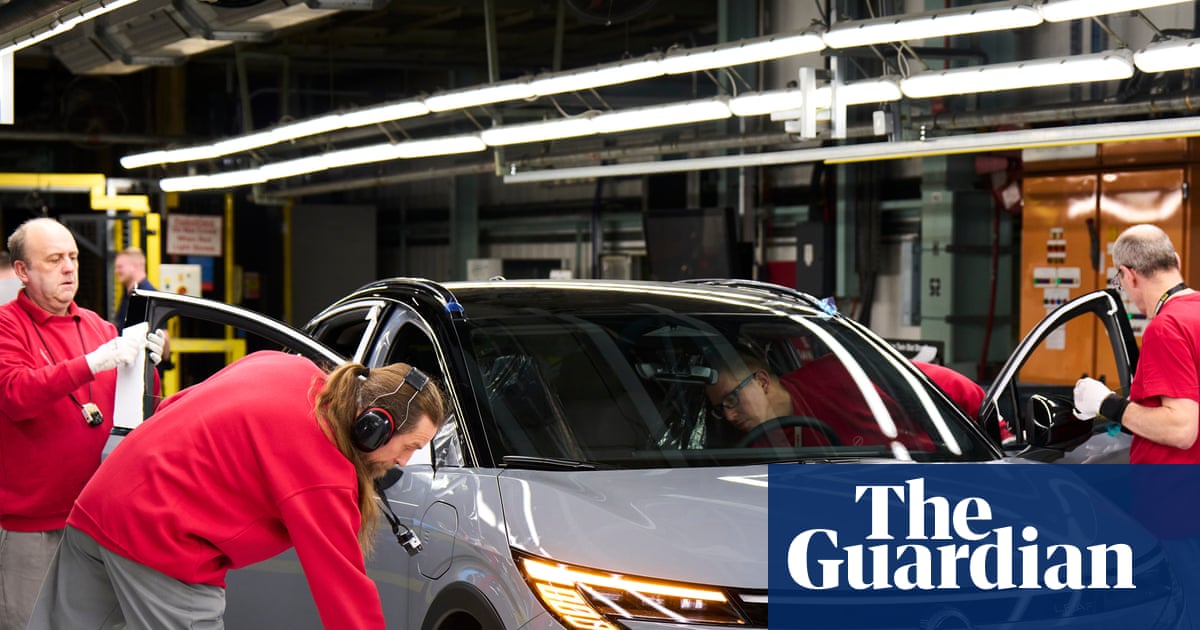
During a recent visit to Nissan’s Sunderland factory, which has begun production of its latest electric car model, McDonald reiterated the importance of this transition. The Nissan Leaf, known for being the first mass-market electric car produced in the UK, symbolizes a crucial step in moving away from fossil fuels. This factory has already produced over 280,000 Leaf models, highlighting the growing footprint of electric vehicles in the UK market.
Market Dynamics and Consumer Demand
EV sales have surged in recent years, accounting for over 20% of the UK car market as of July. However, manufacturers have faced challenges in accurately predicting consumer demand, leading to price reductions to attract buyers. This has raised questions about the overall market strategy and the need for adaptation in production and sales approaches.
EU Developments and Their Impact
Notably, the EU has recently revised its own targets, reducing the requirement for 100% zero-emission vehicles by 2035 to 90%. This change allows for a small percentage of production to consist of hybrid or traditional combustion engine vehicles. It raises important considerations regarding the future competitiveness of the automotive industry across Europe:
- Carmakers will need to adopt other green measures to compensate for the relaxed emissions targets.
- Strategies may include using green steel and biofuels in non-electric vehicles to bolster sustainability efforts.
In conclusion, the UK government’s decision to expedite the review of electric vehicle sales targets is a proactive step toward aligning its policies with both industry needs and environmental goals. As the automotive landscape evolves, it will be fascinating to observe how these developments shape the future of transportation in the UK and beyond.
For more in-depth information, please read the original news article here.