



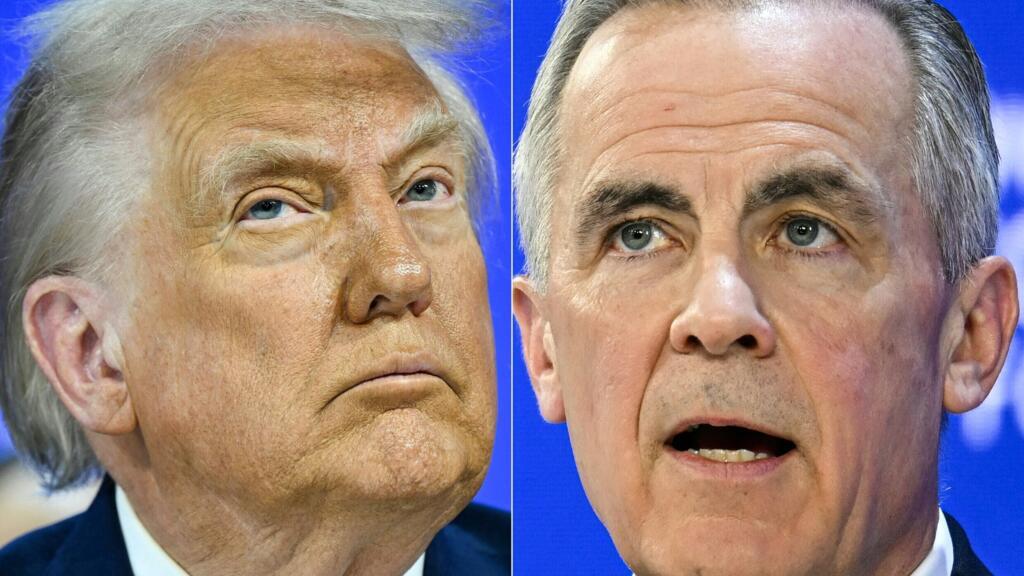
Trump’s Trade Threat: A Strained Canada-US Relationship
In a striking move that could have profound implications for trade dynamics in North America, President Donald Trump has issued a stern warning to Canada. During a recent address, he stated that the United States would impose 100% tariffs on all Canadian exports if Ottawa chooses to forge a trade agreement with China. This threat not only highlights the fragile state of relations between these two neighboring countries but also raises critical questions about the future of international trade in the region.
Analyzing the Implications
Trump’s declaration is a clear indication of the administration’s aggressive stance on trade, particularly with respect to China. As we delve deeper into the ramifications of this threat, several key points emerge:
- Escalation of Trade Tensions: This warning represents an escalation in the ongoing trade tensions not only between the US and Canada but also in the broader context of US-China relations.
- Impact on Canadian Economy: A 100% tariff on Canadian goods would undoubtedly wreak havoc on the Canadian economy, potentially leading to increased prices for consumers and significant losses for exporters.
- Political Repercussions: This situation could ignite political debates within Canada regarding trade dependency on the US and the need for diversified markets.
- Global Trade Dynamics: The threat could lead to a reevaluation of trade agreements and alliances globally, as countries reassess their positions in light of US policies.
My Perspective
From my viewpoint, this development underscores a larger narrative about protectionism and the shifting landscape of global trade. The US’s approach, particularly under Trump’s administration, seems to favor a more combative and unilateral stance, which could alienate key allies like Canada. It raises the question: how sustainable is this strategy in the long run?
Furthermore, Canada’s potential pivot towards China could be interpreted as a strategic move to ensure its economic stability amid increasing pressure from the US. However, the risk of retaliatory measures cannot be overlooked. It is crucial for Canadian leaders to navigate these waters carefully, weighing the benefits of new trade partnerships against the potential fallout from their southern neighbor.
In conclusion, as the situation unfolds, it will be vital for both nations to communicate effectively and seek pathways to de-escalate tensions. The stakes are high, not just for Canada and the US but for the entire North American market.
For a more detailed understanding of this developing story, I encourage you to read the original news article here.