



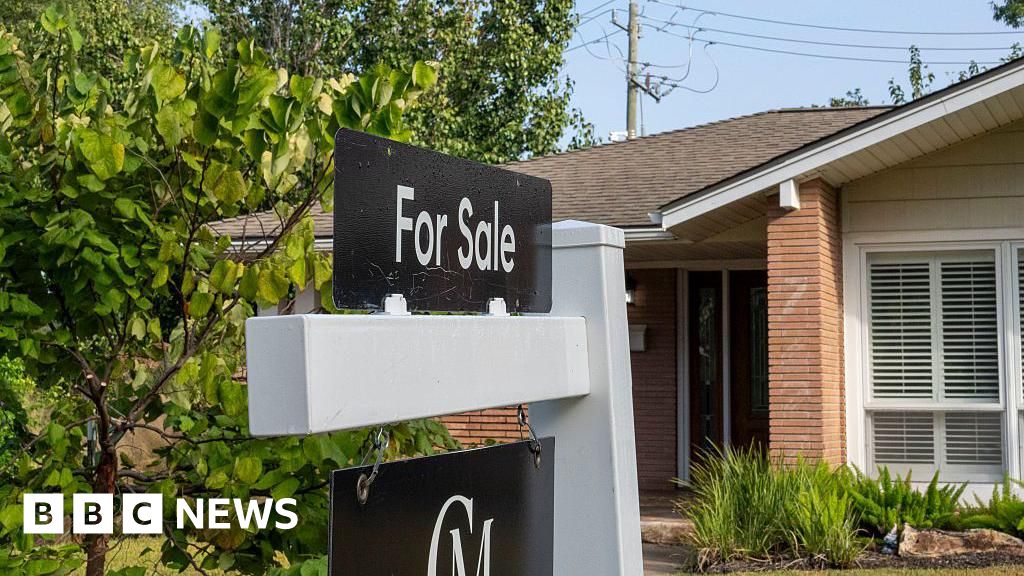
Trump’s New Housing Proposal: A Double-Edged Sword?
As we approach the World Economic Forum in Davos, anticipation surrounds President Trump’s upcoming announcement regarding a plan that would allow Americans to tap into their retirement savings for home down payments. This proposal, while potentially providing immediate relief for some, raises significant questions about its long-term implications for both individual financial health and the housing market as a whole.
Understanding the Proposal
National Economic Council Director Kevin Hassett has provided a glimpse into how this plan might function. The idea is that individuals could withdraw a portion of their 401(k) funds to cover down payments, subsequently using home equity as a means to bolster their retirement accounts over time. Hassett articulated this concept during an appearance on Fox Business, stating:
- 10% Down Payment: Buyers could put down 10% on a home.
- Equity Contribution: They could then take 10% of their home equity and allocate it back into their 401(k).
- Long-Term Growth: The expectation is that the 401(k) would grow over time as a result of this strategy.
Potential Benefits and Risks
While on the surface this plan appears to address immediate housing affordability concerns, experts like Daryl Fairweather, chief economist at Redfin, have expressed skepticism about its efficacy in solving the broader affordability crisis. Here are some key points to consider:
- Short-Term Relief: It may help some individuals meet pressing financial needs.
- Retirement Concerns: The strategy could undermine long-term retirement savings if not managed properly.
- Market Volatility: Draining retirement accounts for home purchases may expose individuals to greater financial risk should property values decline.
Broader Context of Housing Affordability
This proposal comes amid a backdrop of rising public anxiety regarding housing affordability, an issue that has gained traction as we approach the midterm elections. In recent weeks, Trump has introduced several initiatives aimed at easing these concerns, including:
- Banning Corporate Investors: A pledge to prohibit large corporate entities from purchasing single-family homes.
- Mortgage Bond Purchases: Directing Fannie Mae and Freddie Mac to acquire $200 billion in mortgage bonds, which aims to lower mortgage rates.
Interestingly, after these announcements, the average 30-year mortgage rate dipped below 6% for the first time in nearly three years. However, housing economists have cautioned that such measures may not lead to sustained decreases in mortgage rates, emphasizing the importance of how and when these bond purchases are executed.
Conclusion: A Conflicted Solution
While the intention behind allowing retirement withdrawals for home purchases may be to alleviate immediate financial pressures, the risk of jeopardizing future retirement stability cannot be overlooked. As this proposal unfolds, it will be essential for voters and policymakers alike to critically assess its implications and ensure that any measures taken genuinely serve public interests without introducing further instability into the housing market.
For a more detailed exploration of this topic, I encourage you to read the original news article here.