



The Hidden Treasures of Cambodia’s Caves
Exploration in the Dark
Entering a cave is akin to stepping into a hidden universe, one that is often untouched by human hands. The initial scent of guano, the waste of bats, serves as a stark reminder of the life teeming within these dark chambers. These caves can house millions of bats, their chirps echoing in the stillness, creating an atmosphere that feels perpetually nocturnal.
Inside, the cave walls come alive with fascinating creatures like tailless whip scorpions, which resemble a mix between spiders and crabs—though they pose no threat to humans. The ecosystem thrives on the remnants of bat life, as well as other small animals that succumb in the shadows. It is indeed a place not for the faint-hearted.
The Karst Landscape: A Natural Laboratory
My own journey into the karst landscapes of Cambodia began after many years spent exploring the mountains of northern Spain. The karst topography, characterized by limestone formations shaped by water erosion, serves as an evolutionary “island laboratory.” Each isolated hill or cave fosters unique species that have adapted to their specific environments over millennia.
- Each cave is a distinct ecosystem, often home to undiscovered species.
- Geographic isolation can lead to significant evolutionary divergence.
- Even small distances, like a kilometer, can mean species cannot intermingle.
Despite their significance, these ecosystems frequently go unnoticed. During a recent project, my team and I surveyed over 60 caves across ten hills in Battambang province, Cambodia, collaborating with experts from various countries.
The Excitement of Discovery
Conducting our surveys at night, when nocturnal creatures are most active, proved fruitful. We uncovered:
- Three new species of geckos
- Two micro-snails
- Two millipedes
We suspect more discoveries lie in wait, including potentially a new pit viper species. The thrill of finding new species is indescribable; it is a dream realized.
The Ethical Dilemma of Conservation
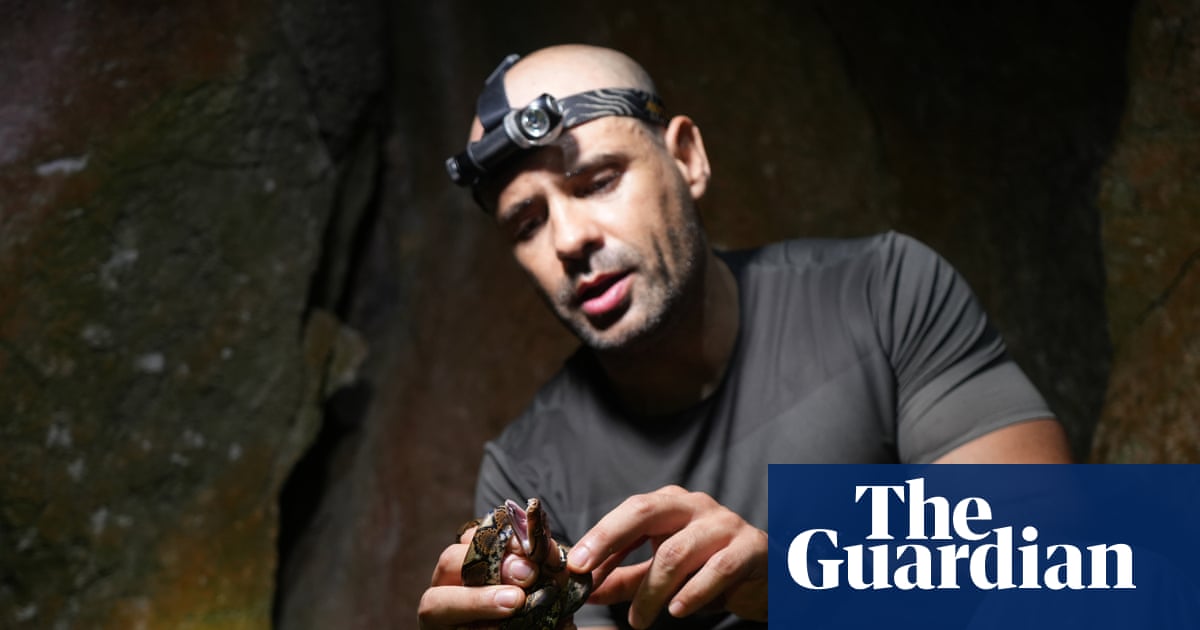
To accurately describe these species, we faced the difficult choice of needing to collect specimens. This process involves administering an anaesthetic—a necessary yet somber task, as it entails the loss of life in the name of science. Understanding the details of these species, from scale counts to genetic analysis, is crucial for their classification and protection.
The Urgency of Protection
Our ultimate goal is the preservation of these unique ecosystems, which are increasingly threatened by the demand for cement. The peril is not exclusive to Cambodia; it is a global phenomenon. The destruction of these limestone hills risks obliterating entire species that have evolved over countless years.
There is a profound contradiction in exploiting these natural wonders for resources like cement. They represent not just geological formations but living laboratories of evolution. The creatures that inhabit them are irreplaceable; they have adapted uniquely to their environments and cannot be found elsewhere.
As we continue to explore and discover, we must also advocate for the protection of these irreplaceable ecosystems. The call to action is clear: we cannot allow development to overshadow the importance of preserving our planet’s biodiversity.
For more detailed insights and the full story, please read the original article at The Guardian.