



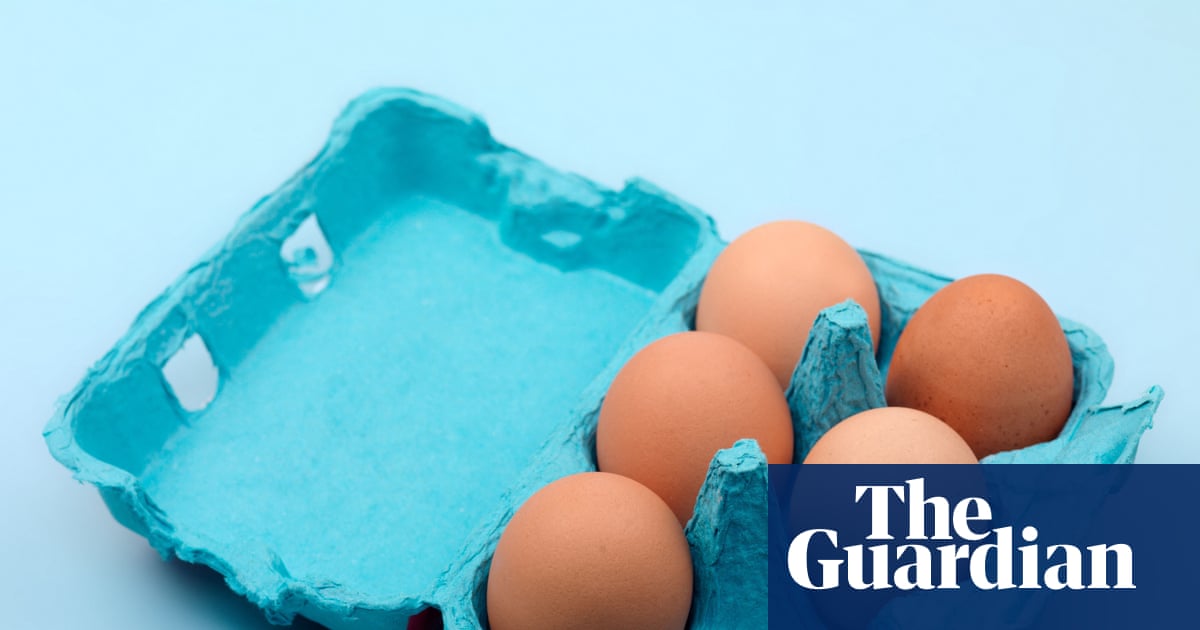
The Posh Egg Phenomenon: Analyzing the Current Egg Market
In today’s economy, the humble egg has transformed into a symbol of luxury and status, with prices soaring to unprecedented heights. Let’s delve into the factors influencing this bizarre trend and what it means for consumers.
The Rising Costs of Eggs
With feed prices skyrocketing, energy costs climbing, and ongoing bird flu restrictions, the price of eggs has become a significant concern for consumers:
- Basic Prices: A dozen eggs can fetch around £3, and in some areas, you might only be able to purchase six for that same amount.
- Premium Options: Free-range and organic eggs start at approximately £3.50, while specialty breeds like Burford Browns can cost even more.
- Luxury Choices: For eggs with unique attributes such as colored shells or deep orange yolks, prices can soar to £4.50 or higher.
The Allure of Posh Eggs
Interestingly, consumers are drawn to these ‘posh’ eggs, not just for their taste, but also for their visual appeal:
- Colorful Shells: Eggs from breeds like Seabright Sage lay shells in hues of blue, green, and white.
- Impeccable Provenance: Many consumers are willing to pay a premium for the story behind their eggs.
The Dark Side: Substituting Premium for Ordinary
In a twist of irony, some consumers are finding ways to circumvent the high prices:
- Swapping Cartons: Shrewd individuals are exchanging posh eggs into cartons of ordinary eggs to pay less.
- Ethical Dilemma: While some may view this as clever, it raises questions about ethics and fairness in the marketplace.
- Victimless Crime? This act may seem harmless, but it ultimately affects those who pay full price for premium eggs.
The Nutritional Value Debate
As I reflect on the premium prices, it’s crucial to consider whether the cost is justified:
- Nutritional Differences: The difference between a regular egg and a posh egg is often negligible, with many premium attributes derived from feed additives like marigold and paprika.
- Happier Hens?: Higher prices may hint at better living conditions for the chickens, but this is not always guaranteed.
Conclusion: The Carton Conundrum
In this peculiar marketplace, it seems that the carton itself has become the most valuable commodity. Consumers are investing in the image rather than the product. As the saying goes, “As sure as eggs is eggs, eggs is eggs.” The irony of this situation is palpable, and it raises broader questions about consumer behavior and market dynamics in today’s economy.
To gain more insights into this quirky yet significant issue, I encourage you to read the original news article here.