



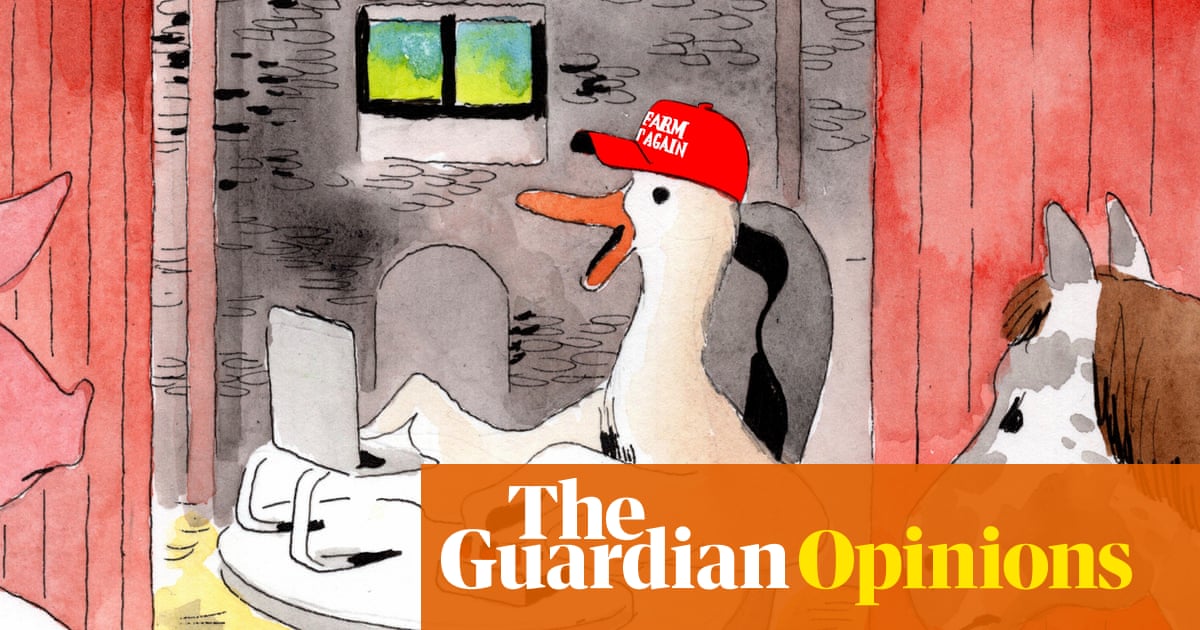
The New Age of Digital Politics
In an era where the internet has fundamentally reshaped how we communicate, it’s hard to ignore the reality that social media isn’t just a platform for “other people.” With over 5 billion users worldwide, we can no longer dismiss it as the domain of the young or the eccentric. It has become a crucial part of our daily lives and, more importantly, our political landscape.
Transformation of Communication
The evolution of the internet has dramatically disrupted traditional forms of media. Consider the following:
- Print media struggled as free online content captured audiences.
- Publishers initially thrived on social media, only to see their reach diminish as platforms altered their algorithms.
This shift has not only changed where we consume information but has also transformed the way we engage with it. For example, the recent Euro 2024 final drew just over 15 million viewers, while podcaster Joe Rogan commands an audience of over 14 million on Spotify alone. This indicates a seismic shift in content consumption.
The Politics of Posting
We find ourselves in an age where political discourse is increasingly shaped by social media interactions. The implications are profound:
- Online platforms serve as grounds for community building, ideological debates, and policy shaping.
- Issues that once seemed trivial, like tap water consumption, can become politically charged.
- Influencers and viral content can sway public opinion faster than traditional protests or policy discussions.
The traditional political communication model is faltering, as the focus shifts from well-crafted messages to engaging narratives that can capture fleeting attention. This transformation is evidenced by the likes of Elon Musk re-platforming controversial figures, allowing them to amass followers that rival established politicians.
Challenges for Traditional Politics
Political parties, particularly those on the left, may find themselves in a precarious position:
- Labour’s focus on sensible policies often leads to entanglement in online conspiracies.
- Reform UK, on the other hand, adeptly leverages social media trends to engage younger voters.
This discrepancy highlights a crucial point: traditional politicians must adapt to the new rules of engagement or risk losing relevance. The success of figures like Nigel Farage, who masterfully navigates platforms like TikTok, illustrates the importance of emotional resonance over policy specifics.
The Evolution of Disinformation
While disinformation remains a pressing issue, it is essential to understand the underlying mechanisms of digital engagement:
- Emotional appeal and attention capture have become the real battlegrounds in the fight for influence.
- Propaganda has evolved, focusing less on delivering false information and more on creating shareable, engaging content.
As politicians cling to outdated strategies, the more agile players on the reactionary right exploit this emotional terrain to their advantage, often to the detriment of centrist approaches.
Conclusion
The landscape of politics is undergoing a radical transformation, and it is imperative for politicians to recognize and adapt to these changes. Ignoring the powerful influence of social media is no longer an option if they wish to remain relevant in today’s fast-paced digital world.
For further details, I encourage you to read the original news source.