



Wales Introduces Controversial Post-Brexit Farming Subsidy Scheme
Wales has officially launched its much-debated post-Brexit subsidy scheme for farmers, nearly a decade after the Brexit vote. This initiative aims to shift farm payments towards a greener focus, requiring farmers to actively manage at least 10% of their land as habitat to qualify. However, the scheme has already sparked mixed reactions, particularly among dairy farmers who are concerned about meeting the new requirements.
The New Sustainable Farming Scheme: An Overview
The Sustainable Farming Scheme (SFS) is designed to replace the previous EU subsidy model which allocated over £300 million annually to Welsh farms based on land size. Now, the SFS introduces a checklist of requirements that farms must fulfill in order to receive payments. Here are some key points:
- Mandatory Habitat Management: Farms must manage at least 10% of their land as wildlife habitat.
- Universal Actions Required: Participating farms must commit to 12 universal actions, including maintaining hedgerows and reducing pesticide use.
- Financial Incentives: Additional funding will be available for farms undertaking more ambitious environmental projects.
While this new framework has gone through considerable revisions, farming union NFU Cymru acknowledges that the scheme still requires further adjustments to fully meet industry needs.
Mixed Reactions from Farmers and Environmentalists
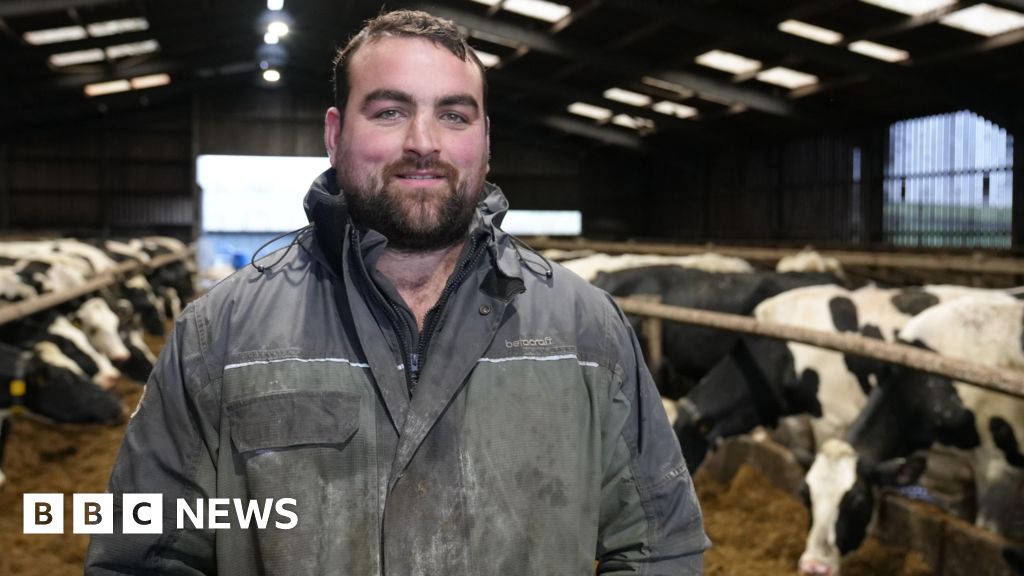
The responses from the farming community have been notably divided. Dairy farmer Gethin Hughes expressed that while the scheme is an improvement, many of his peers are struggling to find qualifying habitat land. This raises concerns about the viability of dairy farming for those unable to meet the new standards.
Furthermore, environmentalists are urging the government to ensure that the SFS becomes more ambitious. They argue that:
- Habitat Land Usage: Grazing on habitat land can be productive and essential for farming resilience against extreme weather.
- Funding Needs: The entry-level payment may only maintain existing habitats rather than promote new environmental benefits.
Arfon Williams from RSPB Cymru stresses the importance of developing additional funding layers within the scheme to align with the Welsh government’s biodiversity targets.
Political Perspectives and Future Implications
Political leaders have voiced their opinions on the SFS, with some expressing significant concerns about food security and the potential for job losses in the agricultural sector. Samuel Kurtz from the Welsh Conservatives criticized the SFS for not prioritizing food production, while others like Plaid Cymru’s Llyr Gruffydd acknowledged improvements but called for a more gradual transition to the new scheme.
As we look ahead, the success of the SFS will largely depend on the number of farmers willing to sign up. Relying on voluntary participation, Deputy First Minister Huw Irranca-Davies emphasized the need for continual dialogue with farmers and environmentalists to refine the scheme.
Conclusion
Wales finds itself at a crucial juncture in its agricultural policy with the introduction of the Sustainable Farming Scheme. The balance between environmental sustainability and agricultural viability will be a delicate one to maintain. As farmers prepare to apply by the set deadline, the ongoing debates and adjustments to this scheme will significantly shape the future of farming in Wales.
For a deeper dive into the details of the scheme and its implications, I encourage you to read the original news article here.