



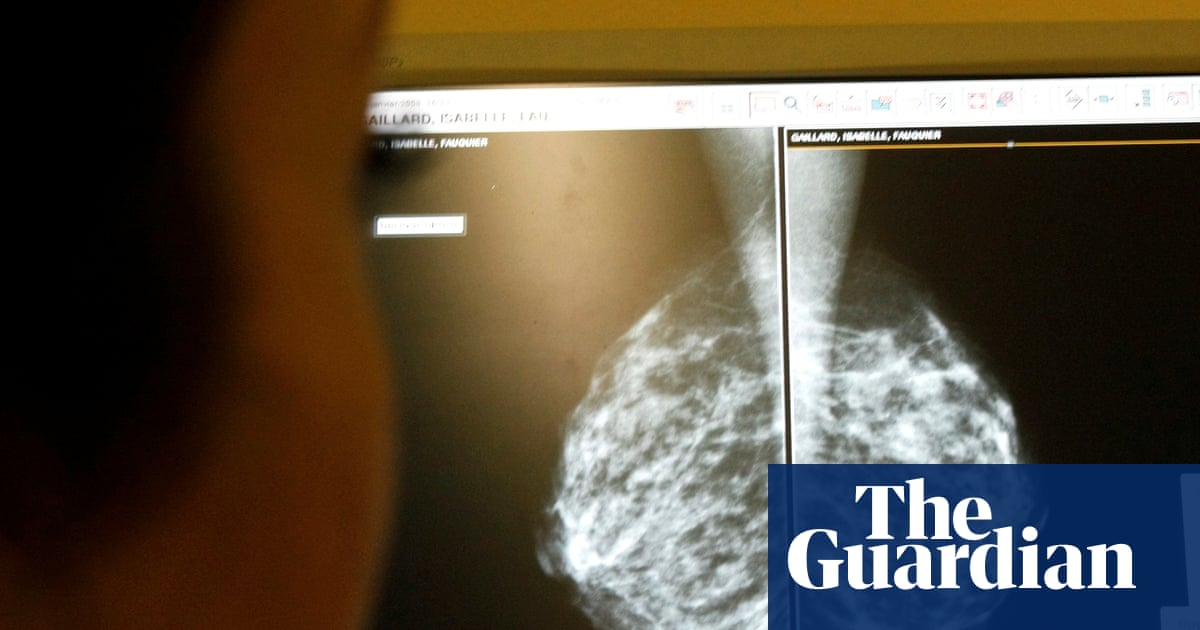
AI in Breast Cancer Screening: A Promising Development
Recent research has unveiled a significant advancement in breast cancer screening through the application of artificial intelligence (AI). This study, the largest of its kind, reveals that AI can reduce the rate of cancer diagnoses by 12% in the years following a screening, while also enhancing early detection rates. Such findings mark a pivotal moment in the intersection of technology and healthcare.
Study Overview
The trial involved a comprehensive analysis of 100,000 women in Sweden who were subjected to mammography screening. Participants were randomly assigned to either AI-supported screenings or traditional readings conducted by two radiologists between April 2021 and December 2022. Here’s what the study highlighted:
- The AI system analyzed mammograms, categorizing cases based on risk levels.
- Low-risk cases received a single review, while high-risk cases underwent a double reading by radiologists.
- The AI highlighted suspicious findings to aid radiologists in their assessments.
Key Findings
The research findings, published in The Lancet, provide compelling evidence of the efficacy of AI in improving cancer detection:
- Cancer diagnoses in the AI-supported group were 1.55 per 1,000 women, compared to 1.76 per 1,000 in the control group.
- In the AI-supported group, 81% of cancer cases were detected at screening, surpassing the 74% detection rate in the control group.
- The AI group saw a 27% reduction in aggressive cancer sub-types.
Expert Opinions and Cautions
Dr. Kristina Lång from Lund University emphasized the potential of AI in identifying cancers at earlier stages. However, she cautioned:
- Implementing AI in healthcare must be cautious and methodical.
- Continuous monitoring is essential to assess the impact of AI across various screening programs.
Breast cancer remains a leading cause of death among women aged 35 to 50, with over 2 million diagnoses globally each year. The study’s findings, while promising, underline the necessity of maintaining human oversight in the screening process. The consensus among experts is clear:
- AI should assist rather than replace healthcare professionals.
- Dr. Sowmiya Moorthie from Cancer Research UK highlighted the need for further research to ensure that AI tools enhance rather than compromise detection accuracy.
- Simon Vincent of Breast Cancer Now stressed the importance of early detection for successful treatment outcomes.
Looking Forward
The integration of AI into breast cancer screening represents a significant leap forward. As we look to the future, it’s essential that innovations like these are implemented with rigorous evaluations to guarantee that they benefit patients effectively. The ongoing trials in the UK exploring AI’s use within the NHS breast screening system will be crucial in establishing safe and effective methodologies.
For more detailed insights, I encourage you to read the original news article at the source: The Guardian.