



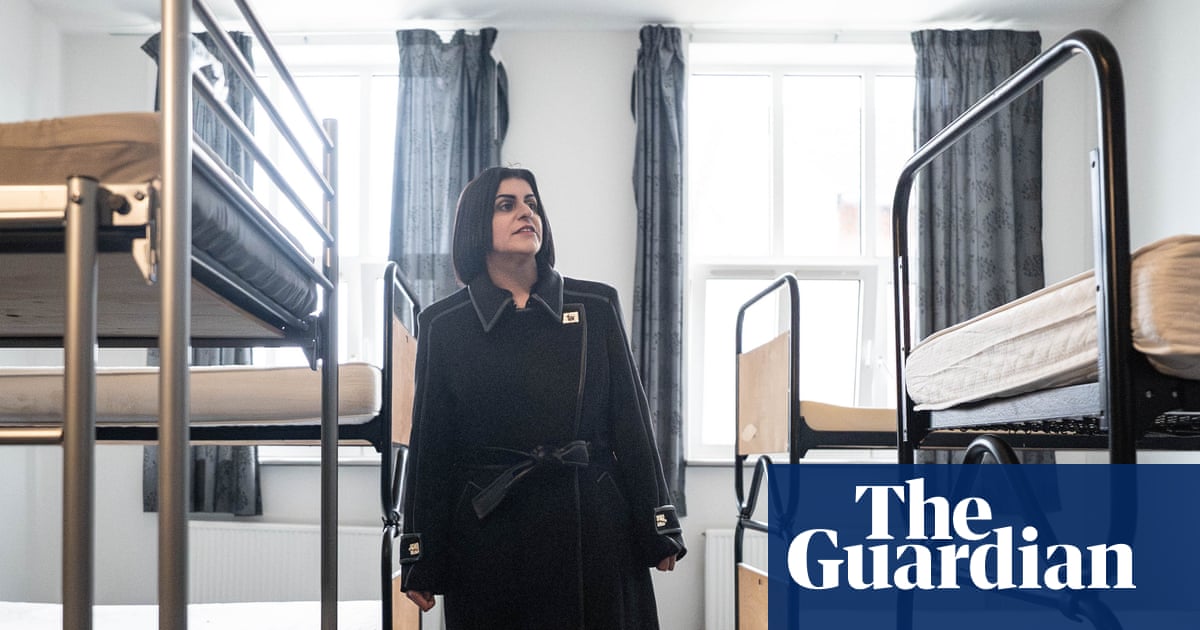
Shabana Mahmood’s Resolute Stance on Immigration Policy
In a climate of political upheaval following the Green Party’s recent byelection victory, Shabana Mahmood, the Home Secretary, is doubling down on her hardline immigration policies. Despite mounting pressure from unions and left-leaning Labour MPs to reconsider this approach, Mahmood remains steadfast, asserting that the proposed changes are vital for the party and the nation.
The Political Landscape
It’s important to dissect the ongoing dialogue within the Labour Party about immigration policy, especially in light of recent electoral outcomes. Senior Labour insiders are dismissing claims that Mahmood’s stance could alienate Muslim voters, labeling such assertions as “plain wrong.” This is a critical moment for the party, as it navigates the complexities of public sentiment and electoral strategy.
- Andrea Egan, general secretary of Unison, urges a shift towards defending migrants and refugees.
- Diane Abbott calls for more progressive immigration policies, highlighting a division within the party’s ranks.
- Party sources insist that Mahmood’s policies will not be swayed by recent election results.
Mahmood’s Arguments for Change
Mahmood’s argument is rooted in the belief that illegal migration is straining public services and eroding the social contract between the government and its citizens. She emphasizes the need for stringent measures to restore order and control at the borders, a sentiment that will be elaborated upon in her upcoming speech:
- Proposal to force individuals to wait 20 years before being eligible to claim leave to remain.
- Asserted that Labour must support controls on migration to protect local communities.
- Critiques both the Green Party’s approach and the “nightmare” scenario proposed by Nigel Farage, positioning Labour as a middle ground.
Polling Insights and Future Implications
Interestingly, polling data from More In Common reveals that a majority of Labour and Green voters back many of Mahmood’s proposals, suggesting a potential alignment with public sentiment that could work in the party’s favor. However, this remains a contentious issue:
- Concerns have been raised about the shift towards temporary refugee statuses.
- The last Labour government allowed refugees to apply for indefinite leave after five years, offering a pathway to citizenship.
- Mahmood’s visit to Denmark highlights a model of strict yet fair immigration policies, which she advocates for the UK.
Denmark’s experience serves as a cautionary tale, illustrating the balance between maintaining strict immigration controls while providing sanctuary to those genuinely in need. Mahmood’s approach aims to draw lessons from Denmark, proposing a system that prioritizes both order and compassion.
Conclusion
As Labour navigates this sensitive terrain, the party’s willingness to embrace or challenge Mahmood’s hardline stance will likely shape its identity and electoral prospects. With Mahmood adamant about her vision, the coming months will be crucial in determining whether this path aligns with the broader values of the Labour Party.
For a deeper understanding of the changes Mahmood is proposing to the UK asylum system, I encourage you to read the original news article here.