



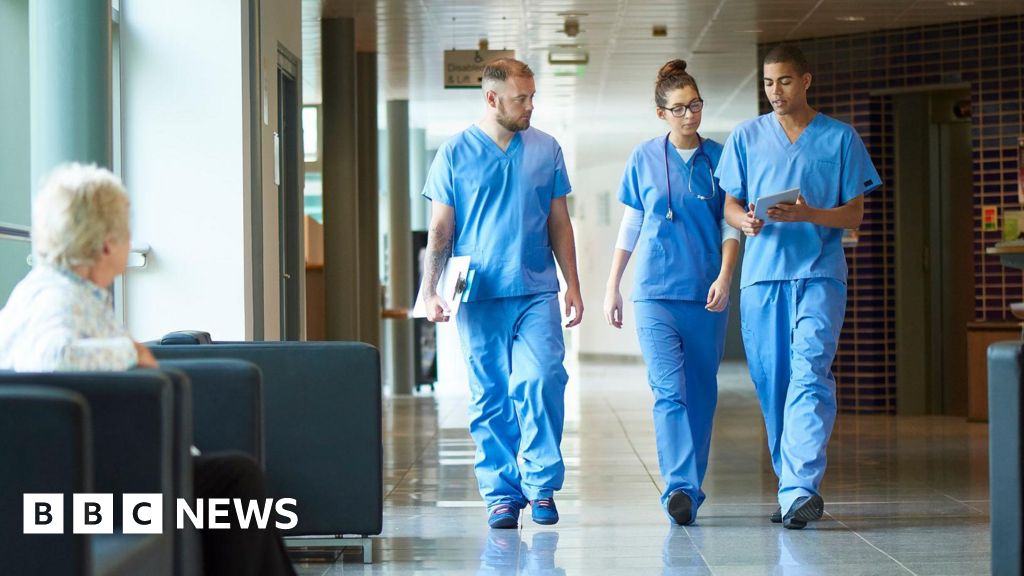
Scotland’s Resident Doctors Prepare for Historic Strike
In a significant turn of events, Scotland’s resident doctors are poised to embark on a strike, marking the first national walkout by NHS workers in the region. This move comes on the heels of growing discontent over pay, as the union representing these medical professionals, BMA Scotland, accuses the Scottish government of failing to uphold its commitments.
The Heart of the Matter
The crux of the dispute lies in the government’s alleged failure to restore pay to levels seen in 2008. A staggering 92% of voters within the union endorsed the strike, with action scheduled to commence from 7:00 AM on January 13, 2026, lasting until 7:00 AM on January 17, 2026.
- Health Secretary Neil Gray expressed disappointment over the ballot outcome.
- BMA Scotland is urging the government to return to negotiations with a “credible offer.”
- Resident doctors comprise nearly half of Scotland’s medical workforce, ranging from newly qualified to those with a decade of experience.
Government’s Position
In response, Mr. Gray highlighted that resident doctors received a 4.25% pay uplift this year, consistent with a two-year deal accepted by other NHS staff. He emphasized that this would accumulate to a 35% pay increase by 2027, aiming to enhance patient care and reduce waiting times.
However, skepticism remains regarding whether this commitment will suffice in light of the ongoing unrest. Scotland was previously the only part of the UK that had not faced strike action from NHS workers, making this situation all the more critical.
The Implications of a Strike
Should the strike proceed, it could severely compromise the Scottish government’s goal of eliminating long waits for medical procedures by March 2026. This is particularly concerning as the NHS grapples with overwhelming demand, especially in an election year. The stakes are high, and the potential consequences could ripple through the healthcare system, impacting countless patients.
Voices from Within the Medical Community
Dr. Chris Smith, chairman of the BMA resident doctors committee, articulated the frustration among his peers, noting that the government’s failure to honor past agreements has forced their hand. He asserted:
“Instead of negotiating with resident doctors to make credible progress towards pay restoration… they have imposed a pay uplift that is the lowest average award received by resident doctors anywhere in the UK.”
Dr. Smith’s comments reflect a broader sentiment among medical professionals who are feeling undervalued and overworked. The current situation is not merely about pay; it underscores the need for the government to recognize the vital role these doctors play in the healthcare system.
What’s at Stake?
The offer on the table from the Scottish government includes:
- A 4.25% pay increase for 2025/26 and a 3.75% increase for 2026/27.
- This proposal has been criticized as the lowest in the UK and inferior to recommendations from independent pay review bodies.
- For a newly qualified doctor, pay would increase from £34,500 to £37,345 by 2026/27.
As we await the unfolding of events, it’s clear that the resolution of this dispute will have significant implications not just for the doctors, but for the entire NHS landscape in Scotland. The call for a fair and equitable solution is more pressing than ever.
To read the original news article, click here.