



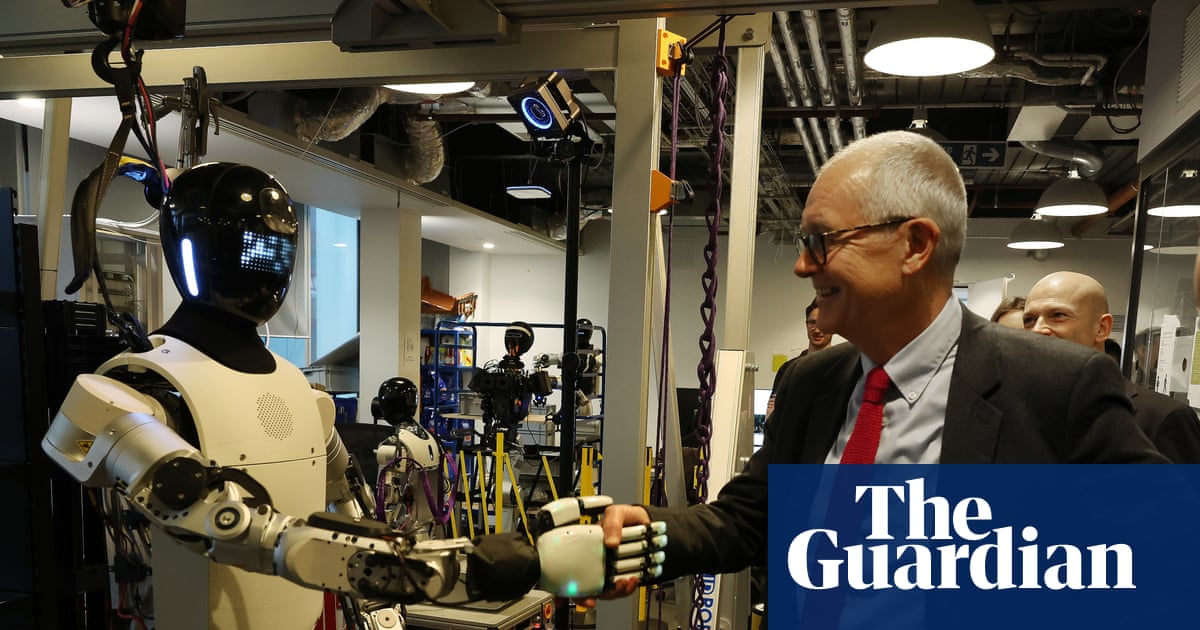
AI and Robotics: A New Era for Human Jobs
As we stand on the brink of a technological revolution, the implications of advances in artificial intelligence (AI) and robotics are becoming increasingly clear. Recent statements from UK science minister Patrick Vallance highlight the profound changes we can expect, particularly in warehouses and factories where robotic integration is already underway.
The Transformation of Work
Vallance emphasizes that the combination of AI and robotics is not merely an enhancement of existing technologies; it is paving the way for entirely new roles and productivity levels. His assertion that we are entering a “whole new area” in humanoid robotics is noteworthy. Here are some key takeaways:
- Increased Productivity: The integration of humanoid robots is poised to significantly boost efficiency in various sectors.
- Job Evolution: While some jobs may be displaced, many will evolve to focus on more complex and engaging tasks.
- First Wave of Change: The initial impact will be felt in roles that involve repetitive tasks, particularly in warehousing and manufacturing environments.
A Cautionary Perspective
In stark contrast, London Mayor Sadiq Khan raises a critical concern regarding the potential for AI to lead to mass unemployment. His warning serves as a sobering reminder that while technology can enhance productivity, it also poses risks to job security, especially if proactive measures are not taken to support displaced workers. Key points from Khan’s speech include:
- Job Displacement Risk: A significant number of jobs in London could be jeopardized by AI advancements.
- Need for Government Action: There is an urgent need for policymakers to create strategies for job replacement and worker support.
Robotics as an Enhancement Tool
Responding to concerns about job displacement, Vallance points out that robotics can actually enhance the quality of work. For example, in the medical field, robots are not replacing surgeons but rather augmenting their capabilities, allowing for greater precision and improved patient outcomes. This perspective is crucial as it shifts the narrative from fear of replacement to one of collaboration between humans and machines.
Government Initiatives to Foster Robotics
The UK government is taking proactive steps by investing £52 million in new robotics hubs aimed at accelerating the adoption of these technologies in businesses. The newly established Regulatory Innovation Office (RIO) will also work to reduce bureaucratic hurdles, making it easier for companies to bring innovative products to market. Key initiatives include:
- Streamlined Regulations: The RIO aims to simplify the approval processes for robotics and defence technologies.
- Support for Autonomous Drones: These technologies may benefit from coordinated regulatory efforts, reducing time to market.
- Real-World Testing: Companies like Humanoid are eager for faster pathways to test their robotic solutions in practical settings.
In conclusion, while the conversation around AI and robotics often revolves around the fear of job loss, it is essential to recognize the potential for these technologies to create new opportunities and enhance existing roles. The balance between innovation and workforce stability will be crucial as we navigate this transformative era.
For further details, I encourage you to read the original news article here.