



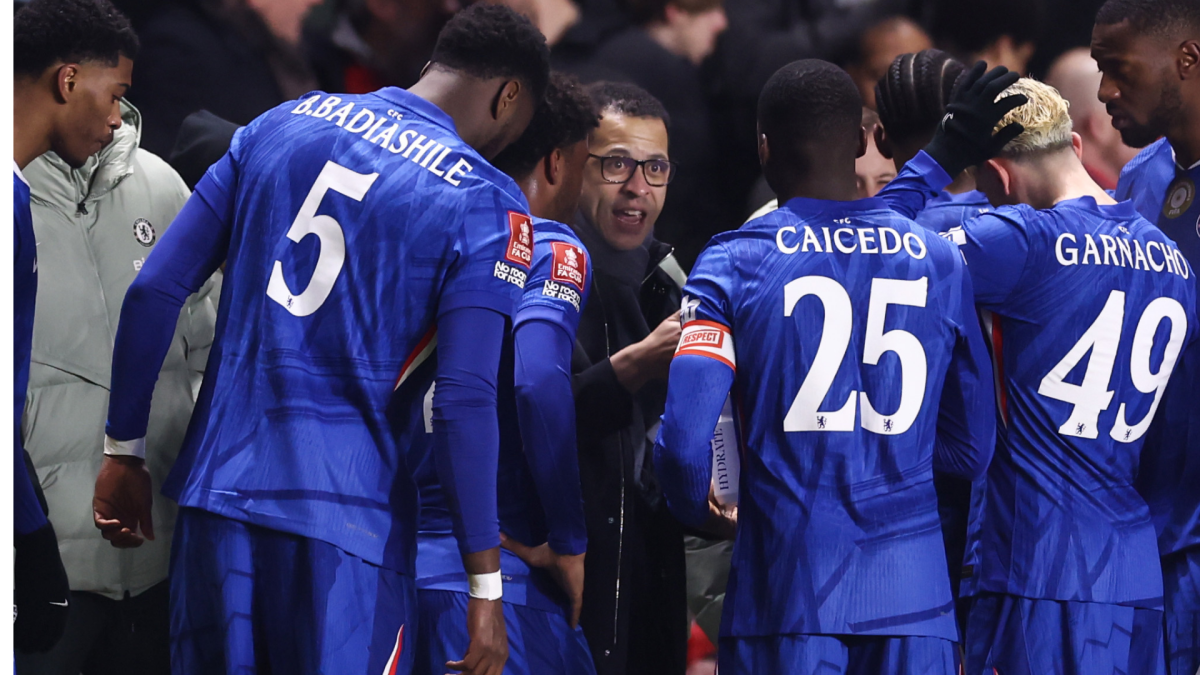
On Saturday night, Chelsea Football Club put on a show against Charlton Athletic, winning 5-1 in what was expected to be a glimpse into the future under new management. However, the performance revealed more continuity than change. While the scoreline was impressive, the tactics remained familiar—a patient team focused on maintaining possession and creating quality chances.
New Manager, Same Chelsea
Liam Rosenior, the new head coach, has emphasized that he is not looking to overhaul the existing framework. He stated that he has inherited a “good team” that is “well-coached.” This sentiment reflects a broader trend at Chelsea where major decision-makers remain entrenched, ensuring minimal disruption despite a managerial change.
- Five directors at Chelsea hold significant influence over the first team, arguably overshadowing Rosenior’s role.
- Co-sporting directors Laurence Stewart and Paul Winstanley are contracted to 2031, indicating a long-term strategy.
- New appointments in scouting and recruitment reinforce the club’s commitment to a cohesive vision.
This structural stability raises questions about Rosenior’s autonomy as a head coach. He will have input but not the decisive authority that many might expect. The recent injury to Levi Colwill exemplifies the limitations he faces in squad management.
A Head Coach with Limited Power
While Rosenior will be consulted on recruitment, he will not wield the power to dictate major signings. Chelsea’s significant amortization charges—around $250 million—indicate that the club must be strategic in player acquisitions, especially with new signings like Geovany Quenda and others coming in the summer.
Rosenior’s role will be more of a facilitator within a complex system rather than a sole decision-maker. This is particularly relevant given Chelsea’s recent focus on injury management, where the medical team’s input has become vital, sometimes leading to friction with previous coaches.
- Last season, Chelsea had fewer injury-related issues than rivals, indicating effective management.
- Head coaches are increasingly finding their authority challenged by the medical and sports science departments.
An American Vision for an English Soccer Team
The American ownership model at Chelsea is reshaping the traditional dynamics of English football. Unlike the past, where head coaches had full control, the current setup resembles practices in American sports, where data and analytics often dictate player management decisions.
Rosenior’s task will be to navigate this landscape while also being the public face of Chelsea during a time of heightened scrutiny from supporters. He is aware of the challenges ahead and has expressed a commitment to winning, which remains the ultimate measure of success in football.
- Rosenior aims to establish his identity within a complex hierarchy.
- He acknowledges the club’s expectation of winning, stating, “I need to win. It’s as simple as that.”
The challenge will be to balance the club’s long-term vision with immediate results. Rosenior’s predecessors faced similar pressures; the expectation to win remains as high as ever, regardless of who is in charge. The new head coach’s success will ultimately depend on his ability to adapt and thrive within these established parameters.
For further details and insights, I encourage you to read the original news source here.