



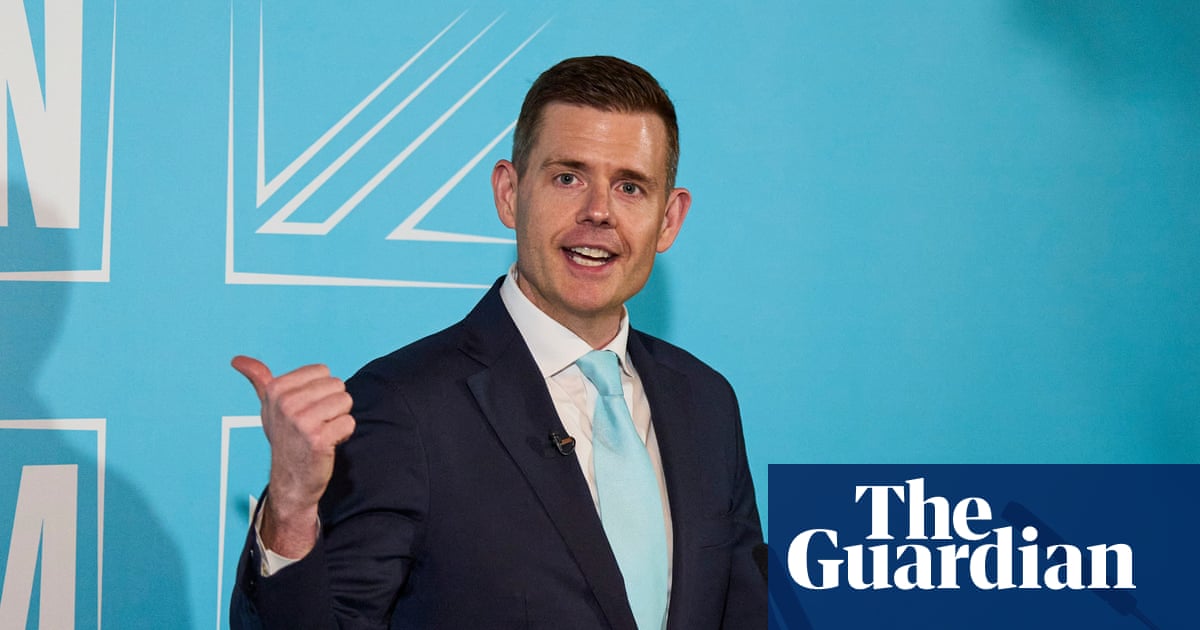
Political Analysis: The Gorton and Denton Byelection
The political landscape in the UK is shifting dramatically, particularly with the emergence of candidates like Matthew Goodwin from Reform UK in the Gorton and Denton byelection. His controversial statements regarding British identity and ethnicity have ignited a firestorm of criticism, and it’s crucial to unpack the implications of his candidacy.
Controversial Statements and Their Impact
Goodwin has stirred considerable backlash with his assertion that not all UK-born individuals from minority ethnic backgrounds can be considered British. He stated, “It takes more than a piece of paper to make somebody ‘British’.” This assertion raises profound questions about national identity and inclusion, particularly in a constituency where:
- 44% of the population identifies as coming from a minority ethnic background.
- 79% claim British identity, suggesting a strong sense of belonging among diverse communities.
The refusal of Goodwin to clarify his stance on these remarks, even when pressed by the media, hints at a strategy that may appeal to a particular voter base while alienating a significant portion of the constituency.
Political Reactions
The reactions to Goodwin’s candidacy have been swift and pointed:
- Lucy Powell, Labour’s deputy leader, accused him of attempting to create division within Manchester’s communities.
- Zack Polanski, leader of the Green Party, criticized Goodwin for his history of anti-Muslim rhetoric, labeling his candidacy an affront to local voters.
This political climate reflects a broader concern about the rise of divisive politics, particularly in areas with a rich tapestry of cultural identities.
The Byelection Context
Reform UK’s strategy appears to focus on capitalizing on the shifting political winds, particularly after notable defections from the Conservative Party. Goodwin’s candidacy is positioned as a challenge to Labour’s long-standing dominance in Gorton and Denton, where:
- Labour holds a majority of 13,000 votes.
- The Greens are emerging as a formidable opponent, potentially reshaping the electoral landscape.
Goodwin has framed this byelection as a pivotal moment, likening it to a seismic political revolution. His rhetoric suggests a desire to tap into local frustrations regarding governance and representation.
Addressing Community Concerns
In a bid to connect with voters, Goodwin has attempted to shift the focus from identity politics to broader economic concerns. He stated, “It’s not about what your religion is, it’s not about what your race is, what your ethnicity is.” This approach reflects a recognition that many constituents are primarily concerned with their livelihoods and community safety.
Conclusion
The Gorton and Denton byelection is not just another local contest; it is a microcosm of the broader political challenges facing the UK today. As Reform UK attempts to redefine itself amidst criticisms and controversies, the electorate’s response will be crucial in determining whether divisive rhetoric will find a receptive audience or be met with resistance from a community striving for unity.
For those interested in exploring the original news source, please read more here.