



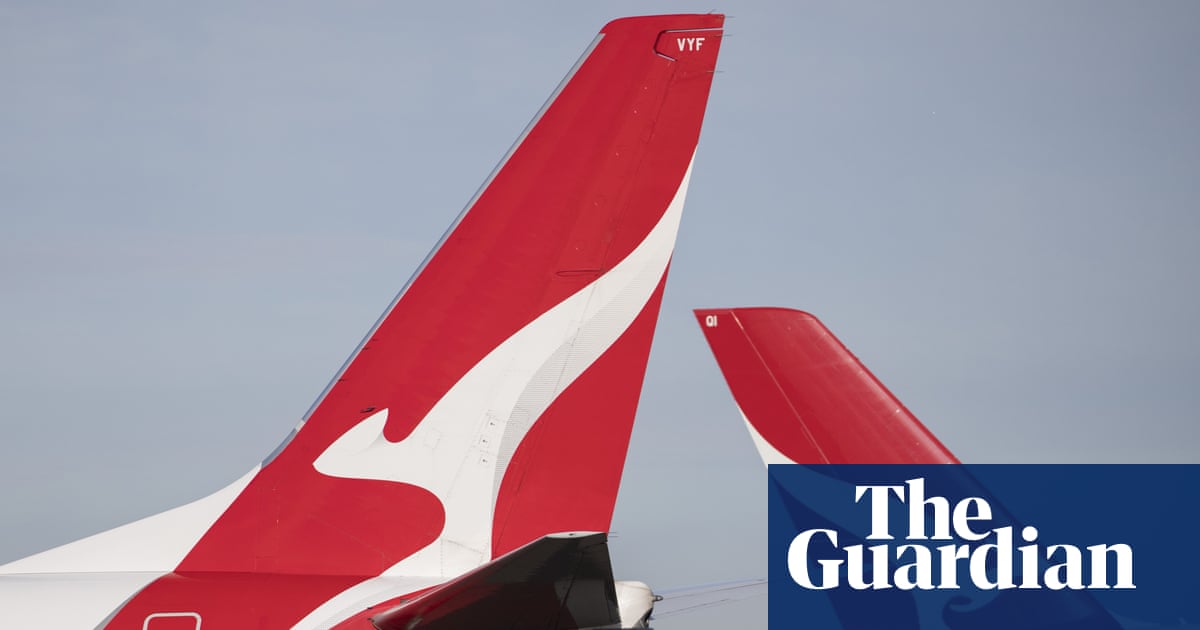
Qantas Revamps Frequent Flyer Program Amid Record Profits
In a bold move to bolster its frequent flyer program, Qantas is unveiling significant changes that aim to retain customer loyalty and entice members to ascend through its membership tiers. These alterations, touted as the “biggest changes to status in program history,” coincide with a period of remarkable profitability for the airline.
Key Changes to the Loyalty Program
The recent announcement from Qantas brings forth several pivotal updates to its loyalty scheme:
- Rollover Status Credits: Members will now have the opportunity to roll over some of their status credits, which are essential for determining membership tiers. This contrasts with the prior system where unused credits reset to zero at the end of the membership year.
- Increased Credit Requirements: While the rollover feature is a welcome change, the number of credits required to maintain status levels is set to increase, according to analysis from the comparison site Finder.
- Earning Credits Beyond Flights: Members can now earn status credits through everyday spending, not solely from flying. This shift, which was trialed in 2025, is now a permanent feature.
- Lifetime Status Incentives: The program also introduces changes that encourage members to aim for “lifetime status,” rewarding decades of loyalty to the airline.
These adjustments are positioned as a means to allow members to strive towards higher tiers within the program, enhancing their overall experience with Qantas.
Profitability in the Air Travel Sector
Qantas’ loyalty business has seen a remarkable 19% revenue increase in its recent half-year results, a clear indicator of the program’s success in driving customer engagement. The airline’s pre-tax profit reached an impressive $1.46 billion, largely fueled by strong demand for travel, despite ongoing economic challenges.
Several factors contribute to this financial success:
- Robust customer demand for both domestic and international travel.
- New routes and increased flight frequency to popular destinations such as Japan and Bali.
- Investment in fuel-efficient aircraft that enhance operational performance and customer satisfaction.
CEO Vanessa Hudson emphasized the importance of this fleet-renewal program, highlighting its role in balancing significant investments with the need to modernize the airline’s operations. The introduction of new aircraft is expected to deliver better fuel efficiency and lower maintenance costs, further boosting overall performance.
The Competitive Landscape and Consumer Sentiment
While some critics argue that Qantas’ loyalty program essentially has customers paying for their own points through higher ticket prices, the reality is that it remains immensely popular. Consumers are clearly prioritizing travel, even amidst a backdrop of rising living costs.
Despite challenges in the U.S. market, Hudson noted that there have been no reports of customers being turned away at U.S. entry points due to their social media presence—an issue that has garnered attention recently. This reassurance may help allay fears and encourage continued travel.
Conclusion
Qantas is making significant strides to enhance its frequent flyer program, ensuring it remains competitive in a challenging market. By implementing these changes, the airline aims to not only retain its existing customer base but also attract new members seeking value and recognition in their travel experiences.
For those interested in the original details of this story, I encourage you to read the original news article.