



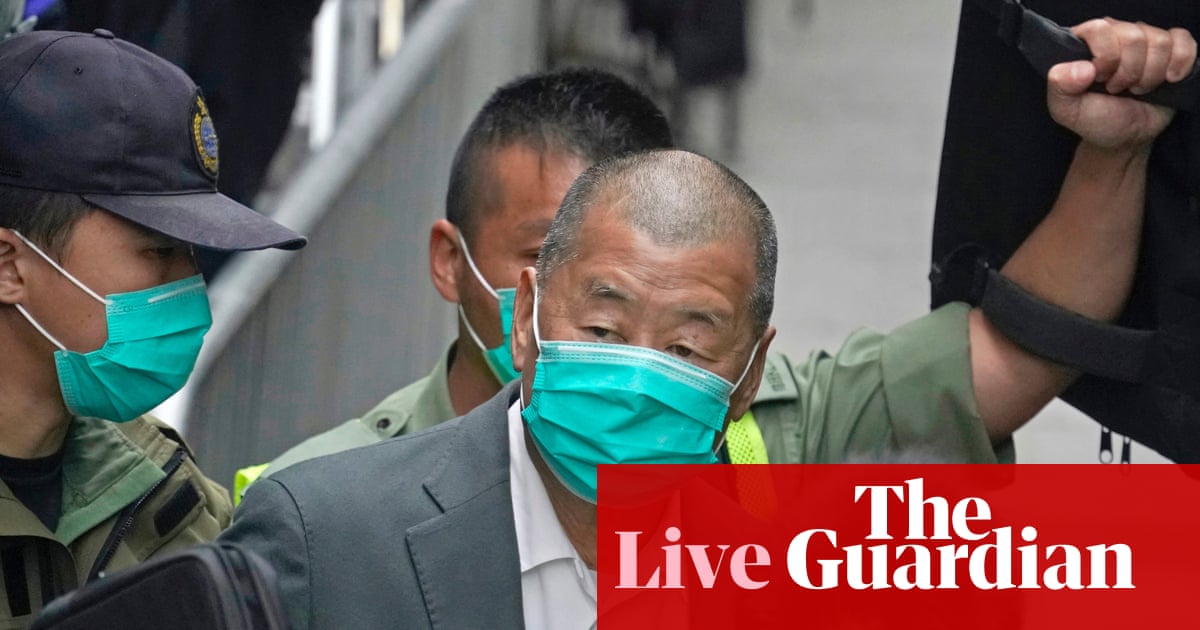
Jimmy Lai Sentenced: A Somber Milestone in Hong Kong’s Fight for Freedom
The recent sentencing of Jimmy Lai, a prominent pro-democracy figure in Hong Kong, to 20 years in prison has sent shockwaves through the international community. This decision, handed down by the West Kowloon Magistrates Court, is being condemned by human rights organizations as an affront to press freedom and an alarming indication of the Chinese government’s ongoing repression of dissent.
The Context of the Sentencing
Lai, 78, the founder of the now-defunct Apple Daily newspaper, has been an outspoken critic of the Chinese Communist Party (CCP) and a key figure in the pro-democracy movement. His conviction includes charges of conspiracy to collude with foreign forces under the controversial national security law imposed by Beijing in 2020. The severity of his sentence highlights the risks faced by those who dare to challenge the authority of the CCP.
Reactions to the Sentence
The Human Rights Watch has described Lai’s 20-year sentence as “effectively a death sentence,” pointing to his age and health conditions. Elaine Pearson, the Asia director at HRW, articulated the gravity of the situation:
- “The harsh 20-year sentence against 78-year-old Jimmy Lai is effectively a death sentence. A sentence of this magnitude is both cruel and profoundly unjust.”
- “Lai’s years of persecution show the Chinese government’s determination to crush independent journalism and silence anyone who dares to criticize the Communist Party.”
Moreover, the court indicated it is unlikely to grant any reductions in Lai’s sentence despite his health issues, which raises concerns about his treatment in custody.
International Condemnation
Organizations like Reporters Without Borders have fervently condemned the ruling, stating that it signifies the “complete collapse of press freedom in Hong Kong.” Thibaut Bruttin, the organization’s head, expressed outrage, highlighting the necessity for international pressure on the Chinese regime:
- “We cannot allow Jimmy Lai to suffer a similar fate as Liu Xiaobo, who died in prison due to insufficient international pressure.”
The Broader Implications
Lai’s sentencing is not an isolated incident; it reflects a broader crackdown on dissent in Hong Kong. The government has systematically targeted activists, journalists, and politicians, effectively stifling any opposition to its rule. The implications of this ruling extend beyond Lai himself, serving as a warning to others who may wish to speak out against the government.
Looking Ahead
As Lai contemplates whether to appeal his sentence, the world watches closely. The outcome of this case could set a precedent for future actions against other pro-democracy advocates in Hong Kong. The international community’s response will be crucial in determining whether such repressive measures will continue unchecked.
In conclusion, Lai’s situation is emblematic of the ongoing struggle for democracy and human rights in Hong Kong. His courage in the face of such adversity serves as an inspiration for many, but also a stark reminder of the challenges that lie ahead for those fighting for freedom.
For a deeper understanding of the events surrounding this sentencing and its implications, I encourage readers to explore the original article here.