



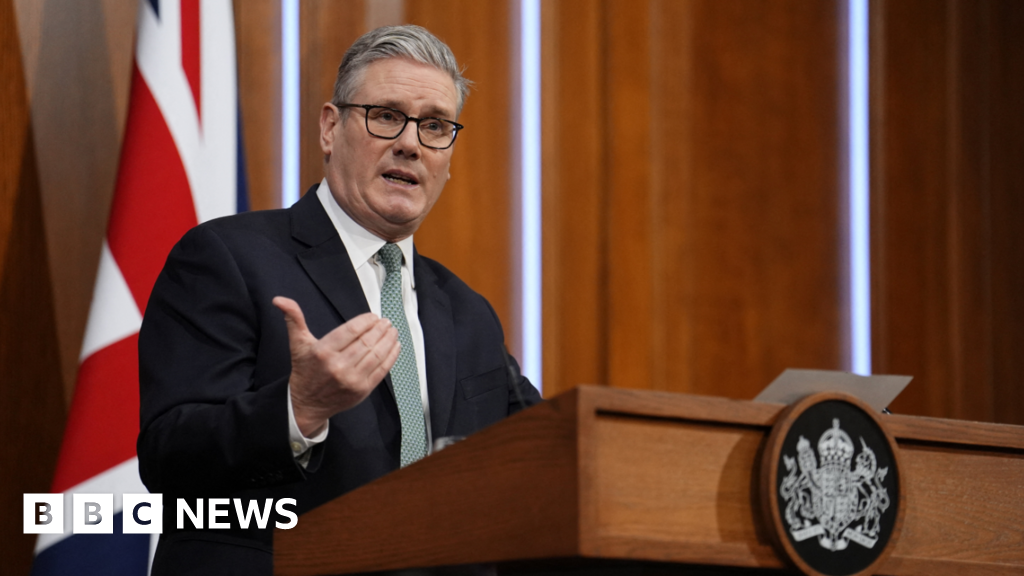
Analysis of the Trade Tensions between the UK and US
In the realm of international diplomacy, few matters stir as much concern as trade wars. Recently, Prime Minister Sir Keir Starmer addressed the escalating tensions between the UK and the US, following Donald Trump’s threats to impose a 10% tax on imports from countries opposing his ambitions regarding Greenland. As I reflect on this situation, it is clear that the implications of such a trade war extend far beyond mere tariffs.
Starmer’s Call for Calm
Sir Keir Starmer firmly articulated that a trade war is “in no-one’s interest.” His emphasis on calm discussion rather than tariff imposition is a prudent stance. This approach not only seeks to diffuse tensions but also highlights the importance of maintaining strong international relationships.
Key Points from Starmer’s Address:
- Decisions on Greenland: Starmer believes that the future of Greenland should be determined by its people and Denmark, not through external pressures.
- Pragmatic Approach: While standing by principles, he stressed a pragmatic approach to preserve the UK-US relationship.
- Economic Impact Warning: He acknowledged that tariffs could jeopardize jobs and livelihoods, emphasizing the need for constructive dialogue.
- Support from Political Peers: Starmer welcomed support from Conservative leader Kemi Badenoch, reinforcing a united front on the issue.
The Seriousness of the Situation
Starmer did not downplay the seriousness of Trump’s threats, noting the negative reception in the UK. The potential economic fallout from these tariffs is alarming. With the US being the UK’s largest trading partner, any retaliatory measures could hinder economic recovery and growth.
Potential Economic Consequences:
- GDP Impact: Economists predict a 0.5% reduction in the UK’s GDP due to proposed tariffs.
- Stock Market Reactions: The mere threat of tariffs has already impacted European stock markets, particularly in sectors like automotive and luxury goods.
International Reactions
As the situation unfolds, other European leaders are weighing in. French President Emmanuel Macron has signaled a willingness to impose counter-tariffs, while Italian Prime Minister Georgia Meloni has raised concerns about the mutual costs of a trade war. This highlights a growing divide within Europe regarding how to respond to Trump’s aggressive stance.
Responses from Political Leaders:
- John Swinney: Scotland’s First Minister condemned tariff threats as counterproductive to reasonable dialogue.
- Ed Davey: The Liberal Democrat leader expressed disappointment over Starmer’s reluctance to consider retaliatory tariffs.
- Nigel Farage: Criticized the US approach, emphasizing the importance of respect between allies.
Conclusion: A Path Forward
As we navigate these turbulent waters, Starmer’s approach of prioritizing dialogue and cooperation is commendable. It serves as a reminder that while political rhetoric may heat up, the true stakes involve the livelihoods of ordinary citizens. The emphasis should always be on finding common ground rather than escalating tensions through trade wars.
For those interested in the original details of this unfolding situation, I encourage you to read the original news article.