



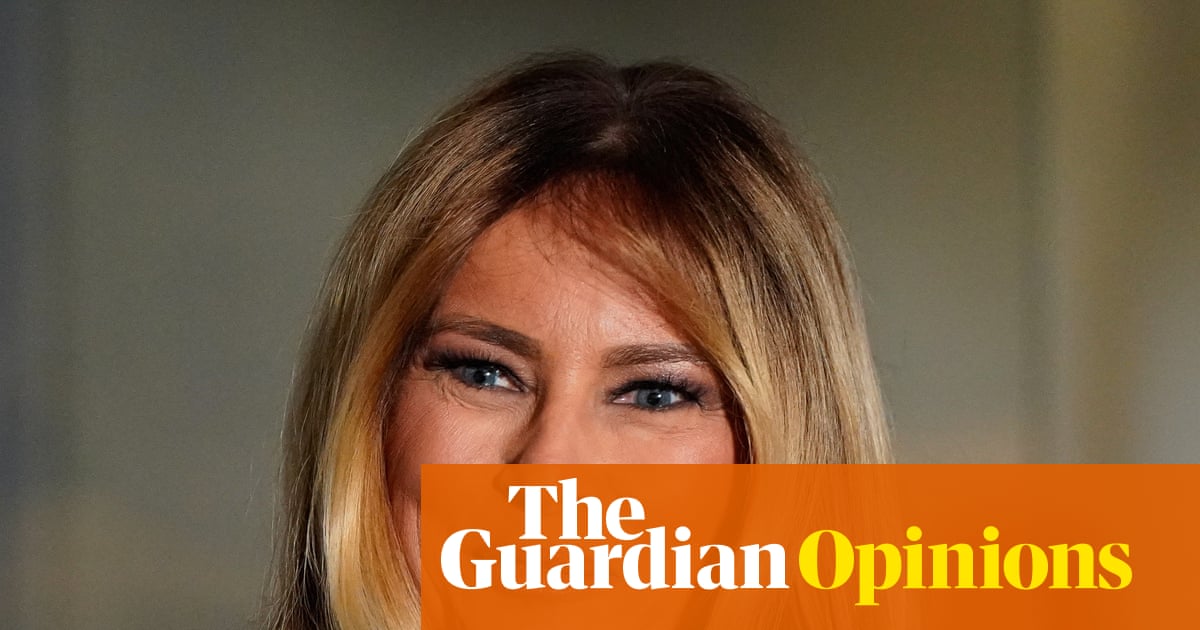
Trump’s DEI Fallout and Melania’s UN Debut: A New Era of Governance
During his recent State of the Union address, Donald Trump made a bold claim: “We ended DEI in America.” While much of his speech was long-winded and filled with exaggerations, this statement holds a kernel of truth. The Trump administration’s so-called “war on woke” has indeed prompted many companies and institutions to retreat from their previously public commitments to diversity, equity, and inclusion (DEI) policies. This shift raises important questions about the future of governance and the qualifications we value in leadership roles.
WTF Hiring Practices in Trump’s America
The demise of DEI has given rise to what I term the “WTF hiring” culture, where being wealthy, Trump-associated, or famous on Fox News appears to be the primary criterion for success. This trend is exemplified by the appointments within the Trump administration, which often featured a mix of unqualified individuals who were more aligned with loyalty to Trump than merit.
- Melania Trump’s recent appointment to lead a session at the United Nations Security Council on “Children, Technology, and Education in Conflict” is a striking example.
- This marks the first instance of a sitting U.S. First Lady presiding over the Security Council, which raises eyebrows about the qualifications necessary for such a significant role.
- It seems that merely being a Trump is enough to warrant a position of influence, regardless of prior experience or expertise.
The Motivation Behind Melania’s Ambitions
Melania Trump has maintained a relatively low profile as First Lady, engaging in various personal projects but showing little genuine interest in public service or international diplomacy. This leads me to ponder her motivations:
- Is this appointment part of a broader strategy to undermine the United Nations and its credibility?
- Could it be an attempt to send a message about the Trump administration’s disdain for international cooperation?
In my view, the only drivers behind a Trump’s actions are typically money or malice. Given the lack of financial incentive tied to leading a Security Council session, this choice seems to lean more towards malice—an act of defiance against global governance norms.
Implications for Global Diplomacy
The implications of this approach are troubling. Trump’s administration has consistently shown a disregard for international institutions, exemplified by the withdrawal from the World Health Organization (WHO) and other key global bodies. Daniel Forti from the International Crisis Group emphasizes that the U.S. appears intent on dictating its terms to the multilateral system rather than engaging in genuine collaboration.
Other Noteworthy Developments
In addition to Melania’s UN role, several other significant events have unfolded recently:
EU Funding for Abortion Rights
The EU has announced funding to assist women in nations with strict abortion laws, such as Poland. This initiative is a positive step toward ensuring women’s health rights across the bloc.
Tennessee’s Controversial Abortion Bill
Republican lawmakers in Tennessee have proposed legislation that would classify abortion as homicide, punishable by life imprisonment or even death. While this bill may not pass, it highlights the extreme rightward shift in political discourse.
Accusations of Sexism Against Lindsey Graham
Senator Lindsey Graham has faced backlash for reportedly referring to Danish Prime Minister Mette Frederiksen as “little lady” during an exchange, raising concerns about sexism in political interactions.
Arrests in Uganda
In Uganda, two women were arrested for allegedly kissing in public, reflecting the harsh anti-LGBTQ+ laws recently enacted in the country, which could lead to life sentences for same-sex relationships.
Violence Against Palestinian Journalists
A report from the Committee to Protect Journalists alleges severe mistreatment of Palestinian journalists in Israeli prisons, including sexual violence, underscoring the urgent need for accountability in conflict zones.
Rise in Cardiovascular Diseases Among Women
According to projections, nearly 60% of women in the U.S. will face cardiovascular issues by 2050. However, there is some good news as rates of high cholesterol are expected to decline across demographics.
The Return of the Side Part
In a lighter note, the side part hairstyle is making a comeback, much to the delight of millennials everywhere.
Conclusion
The developments surrounding Melania Trump’s new role and the broader political landscape illustrate a significant shift in governance, where qualifications are increasingly sidelined in favor of loyalty and familial connections. As we navigate these changes, it is crucial to remain vigilant about their implications for democracy and global diplomacy.
For more in-depth coverage, I encourage you to read the original news at the source.