



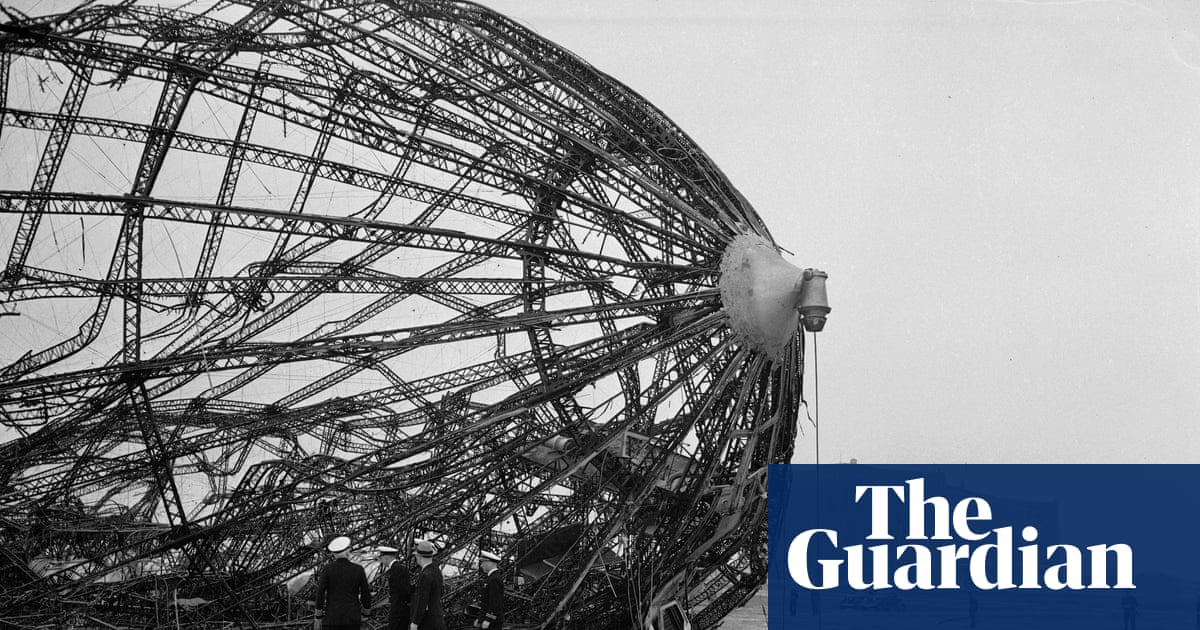
The Hindenburg Risk: A Cautionary Tale for AI Development
The race to deploy artificial intelligence is intensifying, and with it, the potential for a catastrophic failure reminiscent of the Hindenburg disaster. This warning comes from Michael Wooldridge, a prominent AI researcher at Oxford University, who highlights the growing pressures on tech companies to launch AI products before fully understanding their implications.
The Pressure to Innovate
Wooldridge points out that the relentless pursuit of market dominance is compromising safety and thorough testing of AI technologies. The overwhelming commercial incentives are leading to:
- Rapid deployment of AI tools without comprehensive understanding of their capabilities.
- AI chatbots that are capable of bypassing safety measures.
- A potential disconnect between the technology’s promise and its actual performance.
He asserts, “It’s the classic technology scenario: you have a promising technology that lacks the rigorous testing it requires.” The implications of this rush could lead to severe consequences across various sectors.
Historical Parallels
Wooldridge draws a parallel to the Hindenburg disaster of 1937, which abruptly ended the public’s fascination with airships. This historical event serves as a cautionary tale for AI, suggesting that a major incident could similarly tarnish the technology’s reputation:
- Wooldridge suggests various potential disasters, including:
- A software update causing a self-driving car accident.
- An AI-driven cyberattack grounding global airlines.
- A financial collapse due to AI mismanagement.
Such scenarios, while speculative, are disturbingly plausible and could lead to a loss of public trust in AI technologies.
Understanding AI’s Limitations
Despite these concerns, Wooldridge stresses that his critique is not an indictment of AI itself. He emphasizes the gap between expectations and reality, noting that:
- Current AI systems lack the soundness and completeness many experts anticipated.
- Large language models, the backbone of today’s AI, produce answers based on probabilistic predictions, leading to inconsistent performance.
This unpredictability is a significant concern, especially as these systems are designed to present confident responses, which can mislead users. This misrepresentation can foster a dangerous misconception that AI possesses human-like understanding.
The Human-like Illusion
Wooldridge warns against the trend of presenting AI in overly human-like ways. He cautions that:
- Such portrayals could lead users to form emotional attachments to AI systems.
- A survey revealed that nearly one-third of students had engaged in romantic relationships with AI, highlighting this growing risk.
He advocates for a more straightforward approach to AI, comparing it to the computers depicted in early Star Trek, which communicated limitations rather than unfounded certainty. “We need AIs to talk to us in the voice of the Star Trek computer,” he argues, emphasizing the need for honesty in AI interactions.
Conclusion: A Call for Caution
In conclusion, the race to innovate in AI is fraught with risks that could overshadow its potential benefits. As Wooldridge aptly points out, understanding the limitations and dangers of AI is crucial for its responsible development. We must tread carefully to avoid a Hindenburg-like disaster that could set back technological progress and erode public trust.
For further insights, please read the original news article here.