



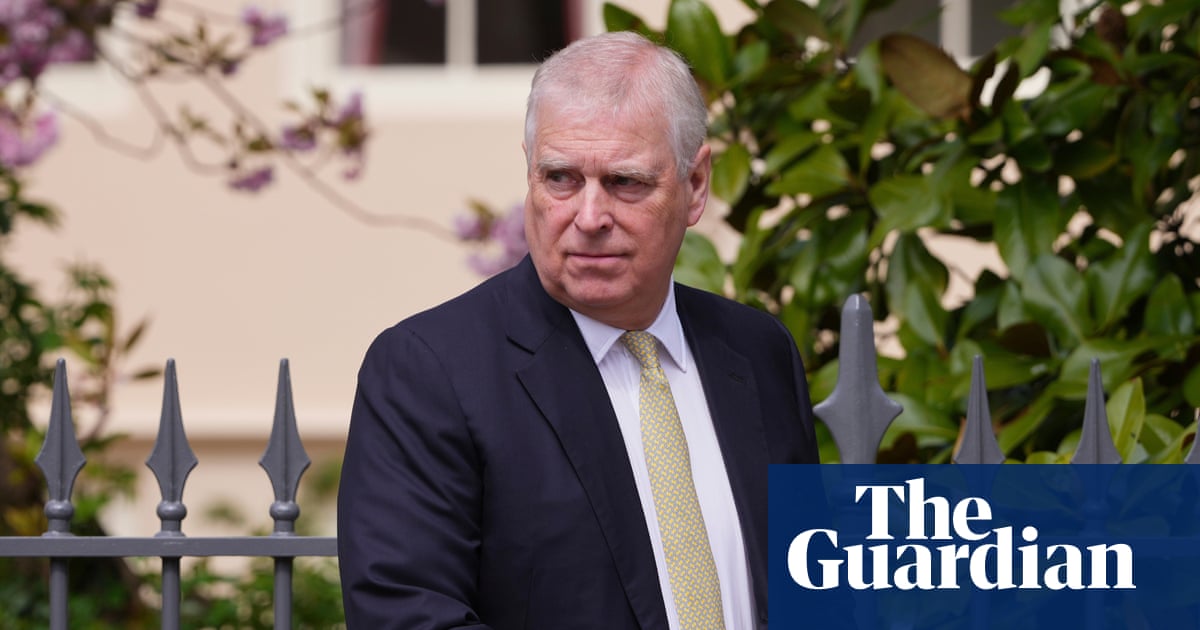
Calls for Accountability: Andrew Mountbatten-Windsor and the Epstein Files
In a recent development that has stirred the political pot, Keir Starmer has boldly stated that Andrew Mountbatten-Windsor should testify before the US Congress regarding his connections to the late Jeffrey Epstein, a notorious child sex offender. This call for accountability raises critical questions about the responsibilities of public figures and their interactions with individuals accused of heinous crimes.
Context of the Situation
As the Prime Minister engages in diplomatic discussions in Japan, the timing of Starmer’s remarks is significant. The recent release of Epstein-related documents by the US Justice Department has reignited scrutiny over Mountbatten-Windsor’s past associations. Notably:
- Mountbatten-Windsor, stripped of his royal titles last year, is prominently mentioned in the latest Epstein files.
- Emails reveal his invitation to Epstein at Buckingham Palace in 2010, two years post-epstein’s conviction for soliciting minors.
- A photograph shows Mountbatten-Windsor in a compromising position with a woman, raising further concerns about his judgment.
The Impact of Starmer’s Statement
Starmer’s emphasis on prioritizing Epstein’s victims is commendable. His assertion that anyone with relevant information should be prepared to testify speaks to a broader societal need for transparency and justice. Here are some key takeaways from his statement:
- Victim-Centered Approach: Starmer underscores the importance of focusing on the needs of the victims before any other considerations.
- Expectations of Accountability: He believes that public figures must willingly share information regarding their knowledge of crimes, especially those as serious as child exploitation.
Mountbatten-Windsor’s Compromising Position
The evidence emerging from the Epstein files paints a troubling picture of Mountbatten-Windsor’s actions. Despite his claims of distancing himself from Epstein following the latter’s conviction, the following points are particularly concerning:
- Mountbatten-Windsor was seen maintaining contact with Epstein, even arranging social events in his honor.
- He has faced allegations of sending intimate family photographs to Epstein, further complicating his narrative of severed ties.
- His financial settlement with Virginia Giuffre, while denying wrongdoing, raises questions about his accountability.
Broader Implications for Public Figures
The implications of this situation extend beyond Mountbatten-Windsor. The revelations in the Epstein files have also implicated other prominent figures, including:
- Peter Mandelson, who admitted to inappropriate associations with Epstein.
- Richard Branson, who was found to have communicated with Epstein post-conviction, offering advice on reputation restoration.
The intertwining of these figures with Epstein’s network suggests a troubling culture of complicity among the elite, raising ethical questions about their actions and the standards to which they should be held.
Conclusion: A Call for Transparency and Justice
The mounting evidence against Mountbatten-Windsor and others associated with Epstein calls for an urgent reassessment of accountability in public life. The public deserves transparency from figures in power, especially when the stakes involve the safety and dignity of vulnerable individuals.
As we await further developments, it is crucial to continue advocating for the victims and ensuring that justice is served. For those interested in a deeper understanding of the Epstein files and their implications, I encourage you to read the original news at the source: The Guardian.