



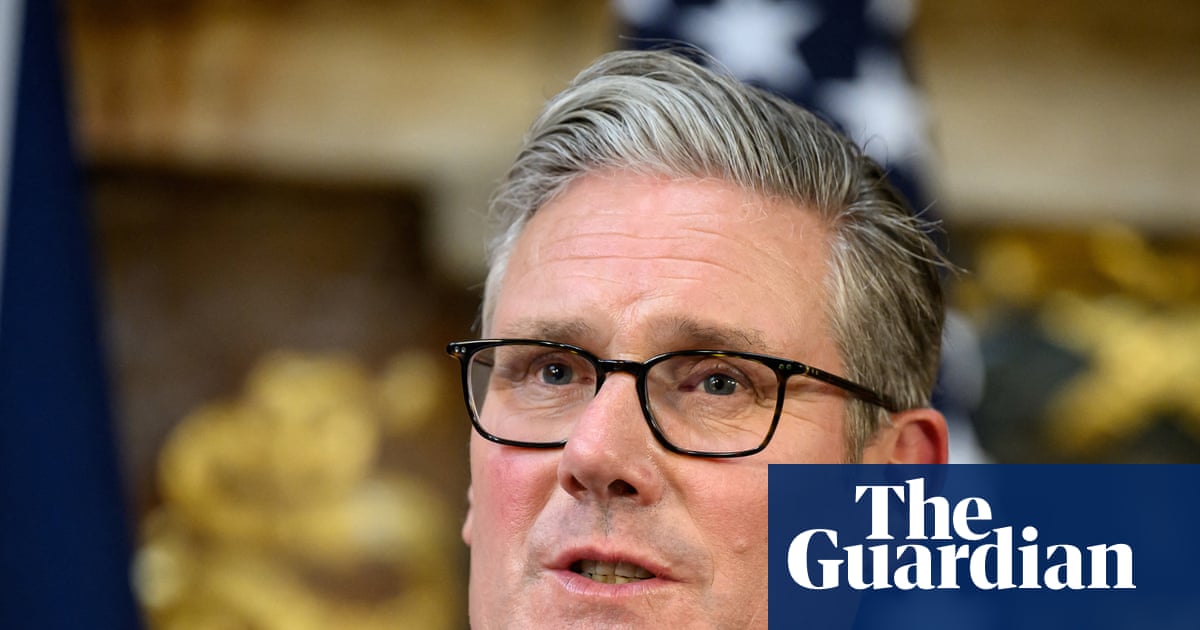
Keir Starmer’s New Year Strategy: A Path to Reconnect with Voters
As we step into a new year, the political landscape in the UK is rife with tension and uncertainty, particularly for Prime Minister Keir Starmer. In the coming days, he will unveil a strategy aimed at revitalizing his relationship with disenchanted voters and addressing the concerns of his own fractious MPs. This initiative is not merely a response to the current climate; it is a significant pivot intended to steer Labour back on course as they face daunting elections ahead.
Focus on Cost of Living
Starmer’s upcoming speech will center on the government’s efforts to alleviate the financial burden on citizens. Key highlights will include:
- Reduction of energy bills and interest rates.
- Abolition of the two-child benefit cap, aimed at supporting families.
- Public perception shift regarding the management of the economy.
With local and devolved elections looming in 2026, Starmer is keenly aware that the stakes are high. His administration is facing potential heavy losses, which is why he is attempting to build a narrative of hope and renewal. He describes 2026 as “the year of proof,” indicating that the fruits of Labour’s policies will begin to manifest in the lives of everyday Britons.
Addressing Internal Party Frustrations
Starmer’s decision to host a series of drinks receptions for Labour MPs at Chequers is a strategic move aimed at healing rifts within the party. However, the response to this initiative has been mixed. Some MPs have expressed frustration over feeling sidelined, voicing concerns about the government’s direction:
- One MP remarked on the “real levels of hostility” they encountered in their constituency, highlighting the disconnect between leadership and grassroots sentiments.
- Another MP candidly criticized the charm offensive, suggesting it could breed further resentment rather than unity.
This internal discord is a significant hurdle for Starmer as he attempts to rally his party around a common goal. The upcoming elections will undoubtedly serve as a litmus test for his leadership and the effectiveness of his policies.
Strategic Policy Implementation
The government’s strategy also includes a £13 billion warm homes plan, spearheaded by Energy Secretary Ed Miliband. This initiative is expected to focus on green technology, aiming to enhance energy efficiency and reduce costs for households. Key aspects include:
- Investment in solar panels and battery technology.
- A shift away from home insulation as the primary focus of energy efficiency funding.
- Potential savings of approximately £138 for energy users due to scrapped regulations and reduced levies.
By framing these actions as direct responses to the cost of living crisis, Starmer hopes to strengthen public support for his government. However, the success of this strategy hinges on whether voters perceive tangible improvements in their financial situations.
The Road Ahead
As Starmer prepares to confront the challenges of 2026, he faces the daunting reality of being one of the least popular prime ministers in recent history, according to various polls. The upcoming months will be critical in determining whether he can shift public opinion and re-establish confidence in Labour’s vision for the future. The question remains: will his efforts be enough to quell discontent and inspire hope among voters?
For a deeper understanding of the current political climate and Starmer’s plans, I encourage you to read the original news source here.