



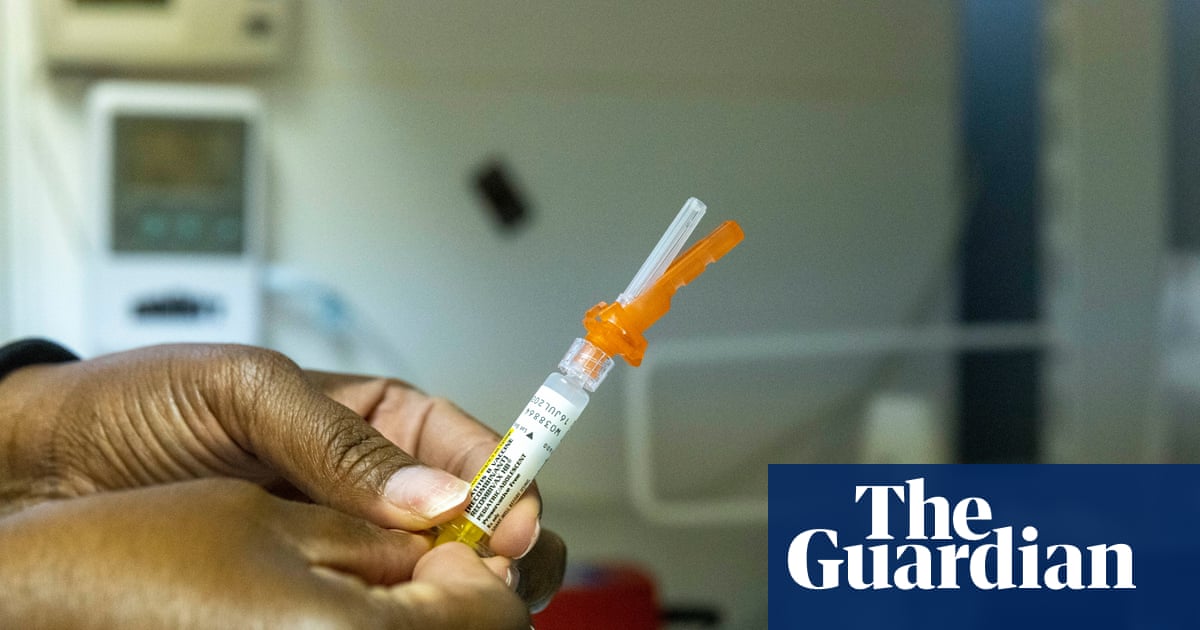
Controversy Surrounds Guinea-Bissau Vaccine Study
The recent turmoil regarding a US-funded hepatitis B vaccine study in Guinea-Bissau has raised significant ethical questions and highlighted the complexities of global health research in low-income countries. As we delve into this issue, it is crucial to look beyond the surface and understand the implications for both the local population and the research community.
Conflicting Reports and Ethical Concerns
The confusion surrounding the vaccine study is palpable. US health officials insist that the trial will go ahead as planned, while African health leaders have declared it cancelled. This discrepancy stems from the new health leadership in Guinea-Bissau and a military coup that has recently altered the political landscape.
- Quinhin Nantote, the new health minister, confirmed the trial’s suspension due to inadequate scientific review.
- Concerns about the ethical implications of withholding vaccines from infants have been voiced by health professionals, including Abdulhammad Babatunde, a global health researcher.
- The Africa CDC has been encouraged to assist in reviewing the study, emphasizing the importance of local oversight in health initiatives.
Local Sovereignty vs. International Interests
The situation in Guinea-Bissau illustrates a fundamental clash between local sovereignty and the interests of international stakeholders. Kaseya, the director-general of the Africa CDC, emphasized that the decision regarding the trial should rest with Guinea-Bissau’s health ministry, stating, “It’s the sovereignty of the country.” This assertion raises important questions about who gets to dictate health research priorities in countries with limited resources.
Implications for Public Health
The proposed study aims to evaluate the health effects of administering hepatitis B vaccines alongside other immunizations. However, the methodology has drawn criticism:
- The plan involves vaccinating 7,000 infants at birth while delaying vaccines for another 7,000 until six weeks of age.
- This approach has been labeled as unacceptable, with experts arguing that all infants should receive standard care, particularly in a country where hepatitis B is prevalent.
- The World Health Organization recommends immediate vaccination at birth, which highlights the urgency of addressing this vaccine gap.
Challenges Faced by Guinea-Bissau
Guinea-Bissau is grappling with profound health challenges, including:
- Less than 25% of the population has access to basic healthcare services.
- The country faces high maternal mortality rates and significant food insecurity.
- Malaria remains a leading cause of death, further complicating public health efforts.
These issues underscore the need for research that genuinely addresses the health concerns of the Bissau-Guinean population rather than catering to the interests of foreign funders.
Conclusion: A Call for Ethical Research Practices
As we navigate this complex landscape, it becomes clear that ethical standards in research must be upheld, particularly in vulnerable populations. The voices of local health officials must be prioritized in any future studies to ensure that they align with the needs and rights of the community.
For those interested in further exploring this issue, I encourage you to read the original news article here.