



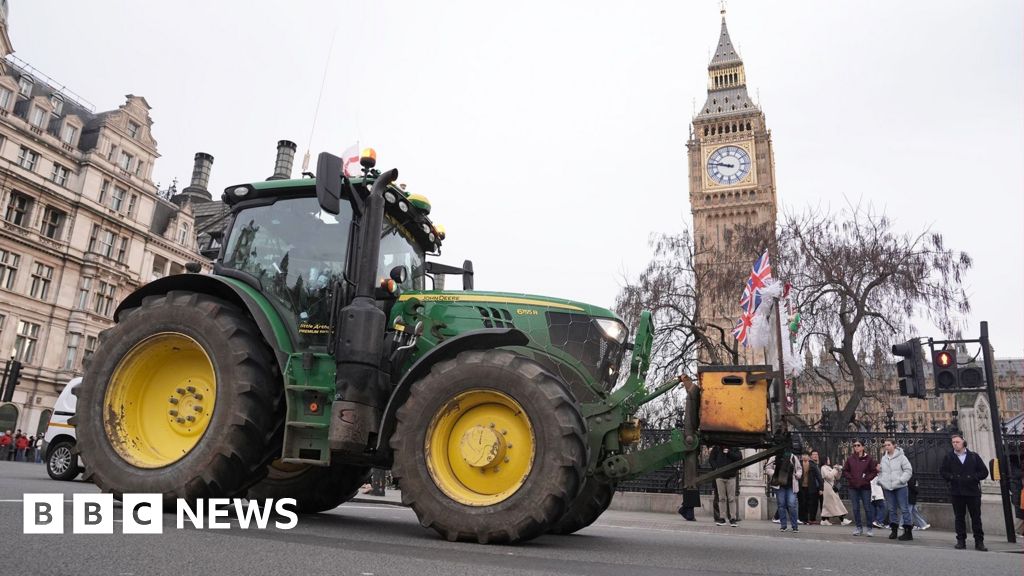
Government’s Tax Revisions: A Step Forward or Just a Band-Aid?
The recent announcement from the government regarding the revised inheritance tax on farmland has stirred a mixture of relief and skepticism among farmers and political observers alike. The proposed changes, which notably raise the tax threshold from £1 million to £2.5 million, come after a series of protests and growing discontent from the farming community. Let’s delve into the implications of this decision.
Background of the Controversy
Initially, the government aimed to impose a 20% tax on inherited agricultural assets exceeding £1 million, effectively dismantling the 100% tax relief that had been in place for decades. This decision ignited widespread protests among farmers who argued that the tax unfairly targeted family-owned farms.
Key Takeaways from the Revised Proposal
- New Threshold: The threshold for taxation on inherited farmland has been raised to £2.5 million.
- Tax Relief: Couples can now pass on up to £5 million in qualifying assets without incurring tax, with a 50% relief on any assets above the threshold.
- Impact on Farmers: The number of estates projected to pay inheritance tax will drop from around 2,000 to 1,100 under the new guidelines.
- Government’s Justification: Officials claim these changes will protect smaller farms while addressing the concerns of wealthy investors exploiting tax loopholes.
Reactions from Stakeholders
The reactions to these changes have been mixed:
- Farmers’ Perspectives: Tom Bradshaw, head of the National Farmers’ Union, welcomed the changes but noted that many family farms may still struggle with the new tax burden.
- Political Response: Labour MPs expressed confusion over the timing of this reversal, especially after their recent votes supporting the previous proposal.
- Opposition Parties: The Liberal Democrats have called for the complete abolition of this tax, while Reform UK criticized the changes as insufficient.
My Analysis
This adjustment, while a step in the right direction, appears to be a reactionary measure rather than a well-thought-out policy. The government seems to have recognized the backlash from the farming community, but merely raising the threshold does not address the underlying issue of the sustainability of family farms in a challenging economic climate.
Furthermore, the government’s continued insistence on taxing what they deem “wealthy estates” raises questions about the definition of wealth in agricultural contexts. Many family farms, despite having high asset valuations due to land and equipment, operate on razor-thin profit margins. Thus, the tax burden could still be crippling for these businesses.
Conclusion
While the revised inheritance tax proposal provides some relief, it is imperative for the government to engage in deeper discussions with the farming community. A more comprehensive strategy that protects family farms while ensuring fair tax contributions from wealthier estates is crucial for the future of British agriculture.
For further insights and details, I encourage readers to explore the original news article.